
YOUR GO-TO SAAS SOFTWARE DEVELOPMENT COMPANY

The senior team product owners hire when their SaaS has outgrown what built it
120+ products launched. 92% of clients return. 50% faster time-to-market. Phenomenon Studio’s application development service modernizes live SaaS products without code rewrites, replacing teams, or losing delivery pace.
Your next growth stage starts with the right SaaS app development services provider — at launch, or at scale

DESIGNING PRODUCTS FOR STARTUPS BACKED BY

phenomenon studio IN NUMBERS
500M+

investments raised by our clients

x2

avg projects per client — most come back

5.0

on clutch — 40+ reviews

35%

conversion lift — klickex case

COMMON SAAS DEVELOPMENT CHALLENGES

For SaaS products that have users, revenue, and walls here's what we hear most
As a senior SaaS development company, we hear the same three concerns from product owners running

enterprise SaaS solutions

with established users and roadmaps. All three share a constraint: starting over is off the table.

Our platform's been running for years. The dev team is fully tied up maintaining it. We need to modernize the UX and add features, but a code rewrite isn't on the table.

We work inside what you've built, not against it. Our senior

SaaS developers

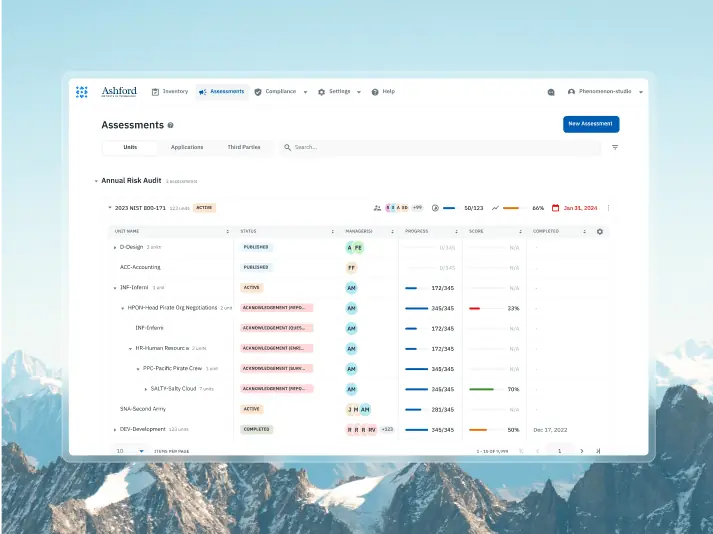
start with a backend audit to find what's holding usability back and what can be improved without major architectural changes. From there, we refine user flows and deliver updates that respect your existing infrastructure. We used this approach to help a GRC platform serving R1 universities lift user efficiency by 2× through targeted

SaaS platform development

work, without backend overhauls.

We've been collecting user feedback for months. Our internal team can't get to it. Between maintenance and the roadmap, real product work keeps slipping.

We join as an extension of your team, not a replacement for it. Through our

application development service

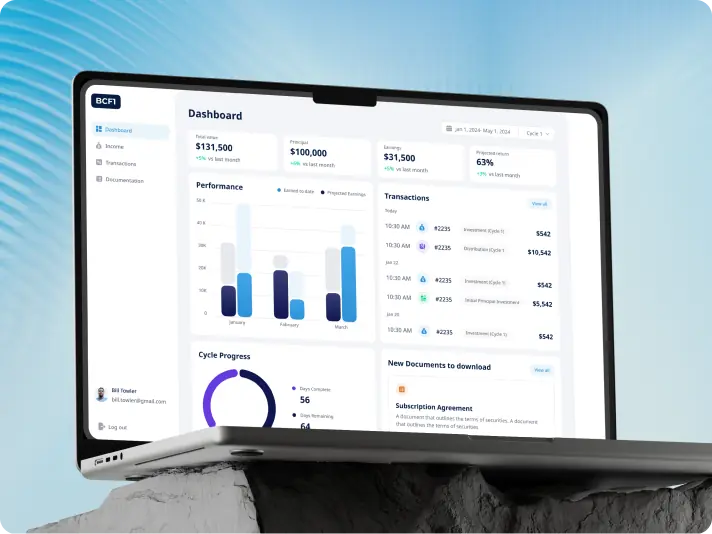
model, our designers and developers plug into your tools, sprints, and standards to turn the feedback backlog into delivered improvements that go live. One enterprise client cut admin task completion time by 60% through this approach, while their in-house team kept owning the roadmap.

Our product is genuinely sophisticated. New users get overwhelmed in the first session. Decision-makers can't tell what makes us different. We're losing conversions because the story isn't structured.

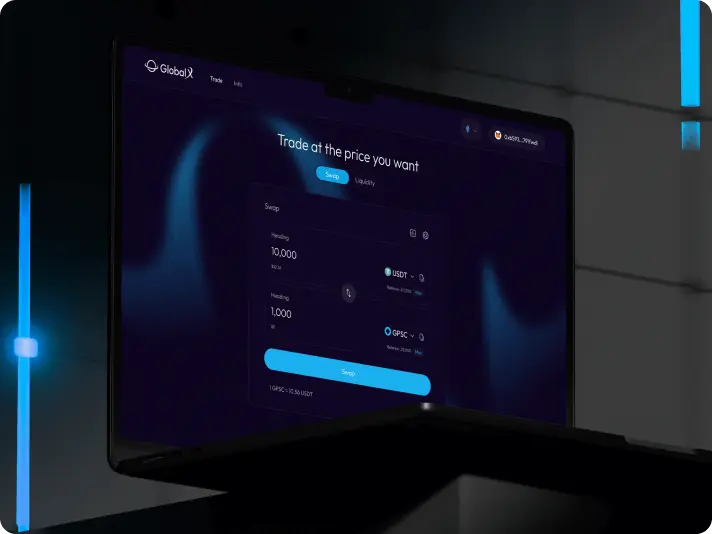
The complexity isn't going away, but the way users experience it can change. We run a UX audit to map where new users drop off, then redesign the entry path: one-click flows for first sessions, full functionality for daily users. On one DEX project, that meant simplifying token swaps and wallet connections without weakening the architecture underneath. Our SaaS development services keep software engineering depth intact while making the product approachable.

SAAS APPLICATION DEVELOPMENT SERVICES

Research, design, development separately or together
Our

SaaS development company

scopes work to what your product needs: full development, design-only, dev team augmentation, or focused discovery. The SaaS developers assigned to your project stay through launch.
Scope, stack, and timeline decisions SaaS development consulting that pays back in saved rework
Product discovery
Map scope, integrations, and stack decisions so development planning starts on a clean foundation.
UX audit & roadmapping
Surface usability and architecture gaps. Prioritize what the team picks up first and what waits.
Technical workshop
Stack, API, and architecture decisions locked before estimates do — fewer surprises mid-sprint.
Tokenized design systems and component libraries built for direct developer handoff
Design prototype
Clickable prototypes for dev review: interactions, states, and edge cases sorted before development.
Website design
Conversion-driven page design delivered as components your dev team can drop in straight away.
Web app design
Role-aware dashboards delivered as modular component systems with shared logic across user roles.
Mobile app design
Mobile and companion app design with response patterns and gesture logic sorted before the handoff.
Website redesign
Targeted UX, performance, and component work for sites where the backend isn't part of the scope.
Branding & identity
Visual systems delivered as design tokens. Consistent across product, marketing, and documentation.
Backend, frontend, APIs, releases full-cycle SaaS product development services from Phenomenon Studio.
Custom MVP development
Lean MVPs from a senior SaaS app development company. Your team keeps the code, no lock-in.
Website development
SaaS marketing sites delivered for SEO, page speed, clean handoff, and conversion analytics included.
Web development
Backend, frontend, and APIs developed for high-traffic load, long-term extension, and team handover.
Mobile app development
iOS, Android, and cross-platform development that matches the web SaaS product feature-for-feature.
No-code development
Webflow, Bubble, or FlutterFlow development when speed matters more than long-term code ownership.
Blockchain development
Smart contracts, audit trails, and tokenized access for SaaS, developed by senior SaaS developers.

SAAS APPLICATION DEVELOPMENT SOLUTIONS ACROSS INDUSTRIES

Six SaaS verticals where Phenomenon delivers and maintains production code
Each vertical comes with engineering constraints of its own: regulatory load in fintech, multi-role permissions in GRC, transaction integrity in DeFi. Our SaaS application development company has worked across all six, with projects in production and dev teams on retainer.
01

Fintech & payments SaaS

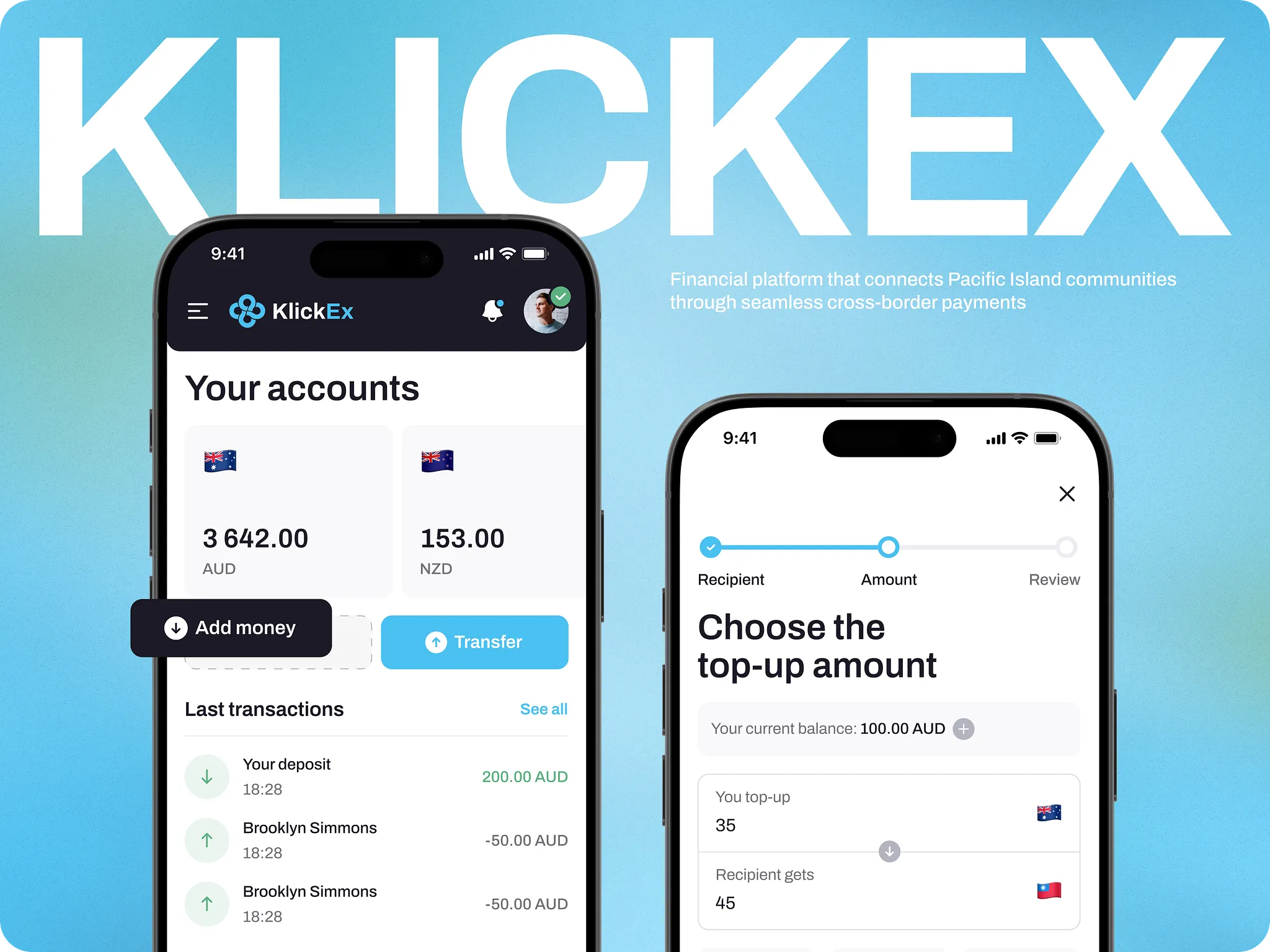
Cross-border payments, KYC, mobile wallets, and multi-currency, delivered for 9 Pacific Island nations across 53K+ users.

Fintech & payments SaaS

Best for payments platforms, money transfer services, and multi-currency products.

Let’s discuss

Best for payments platforms, money transfer services, and multi-currency products.

Let’s discuss
02

GRC & compliance SaaS

Multi-role permissions, audit trails, evidence workflows, and version control, delivered for 20%+ of US R1 universities.

GRC & compliance SaaS

Ideal for GRC platforms, compliance tools, and audit-heavy SaaS.

Let’s discuss

Ideal for GRC platforms, compliance tools, and audit-heavy SaaS.

Let’s discuss
03

Healthcare risk management SaaS

Clinical risk metrics, staff education tracking, and multi-module dashboards for evidence-driven healthcare decision-makers.

Healthcare risk management SaaS

Built for healthcare risk platforms, clinical learning systems, and regulated health SaaS.

Let’s discuss

Built for healthcare risk platforms, clinical learning systems, and regulated health SaaS.

Let’s discuss
04

Marketing automation SaaS

Campaign workflows, real-time analytics, audience segmentation, and multi-channel orchestration. 60% faster campaign setup.

Marketing automation SaaS

Designed for ad management tools, marketing automation, and multi-channel campaign platforms.

Let’s discuss

Designed for ad management tools, marketing automation, and multi-channel campaign platforms.

Let’s discuss
05

Real-time web applications

Live UI updates via WebSockets and Node.js backends for collaborative editing, presence indicators, document sync, and instant multi-user workflows.

Real-time web applications

Ideal for trading/monitoring tools, collaborative platforms, live ops dashboards, and support tools.

Let’s discuss

Ideal for trading/monitoring tools, collaborative platforms, live ops dashboards, and support tools.

Let’s discuss
06

Web3 & DeFi platforms

Token swaps, smart contracts, wallet integration, and liquidity pools, developed for high-volume DeFi platforms with new-user accessibility.

Web3 & DeFi platforms

Works well for DEXs, token ecosystems, and Web3 financial tools.

Let’s discuss

Works well for DEXs, token ecosystems, and Web3 financial tools.

Let’s discuss
07
Admin & operations SaaS
Transaction tracking, role-based access, compliance documentation, and tranche cycle management — 60% faster admin tasks.
Admin & operations SaaS

Best for admin panels, internal tools, and transaction-cycle management.
Let’s discuss

Best for admin panels, internal tools, and transaction-cycle management.

Let’s discuss

SAAS APPLICATION DEVELOPMENT SERVICES IN ACTION

Five SaaS architecture patterns we develop and the engineering problems they solve
Mid-stage SaaS hits one of five development walls: scale, permissions, integrations, real-time data, or Web3 on existing stacks. Our application development service adapts to the wall you're hitting and the one coming next.
Shared infrastructure, isolated tenant data, per-tenant config, handled by senior SaaS platform developers.
Where development breaks:
  • Tenant data leaks across boundaries
  • Schema migrations break older tenants
  • Performance degrades as tenants grow
  • Feature flags become unmanageable
How we fix it:
  • Row-level isolation with boundary checks
  • Backwards-compatible schema patterns
  • Tenant-aware query optimization
  • Centralized feature-flag service with audit logs
YOUR GO-TO SAAS SOFTWARE DEVELOPMENT COMPANY
Cross-border payments, multi-currency, KYC/AML SaaS software development to financial standards.
Where development breaks:
  • Race conditions in high-volume transactions
  • Currency rounding errors accumulate
  • Compliance hardcoded into UI, not services
  • KYC scattered across endpoints
How we fix it:
  • Idempotency keys + transactional integrity
  • Decimal arithmetic libraries, never floats
  • Compliance as a service layer with audit logs
  • Centralized KYC with provider abstraction
Enterprise SaaS solutions with permissions, evidence workflows, and audit trails for compliance.
Where development breaks:
  • Permission logic duplicated across codebase
  • Audit logs incomplete or inconsistent
  • Compliance reports need manual assembly
  • Role changes require manual migration
How we fix it:
  • Centralized RBAC/ABAC with policy-as-code
  • Event-sourced audit trail on every write
  • Report generation as queued background service
  • Versioned roles with safe migration paths
SaaS web development for analytics: streaming ingestion, live dashboards, time-series storage.
Where development breaks:
  • Dashboards slow as historical data grows
  • Real-time queries hit database walls
  • Aggregations recalculated on every load
  • Time-series outgrows the original schema
How we fix it:
  • Materialized views for hot queries
  • Read replicas + analytics database (ClickHouse, Druid)
  • Incremental aggregation with caching
  • Time-series-native storage with partitions
Smart contracts, wallet auth, and on-chain sync integrated by our best SaaS software developers.
Where development breaks:
  • Gas costs unpredictable in production
  • Wallet connections fail silently across browsers
  • On-chain and off-chain state drift apart
  • Smart contract upgrades break integrations
How we fix it:
  • Gas-optimized patterns with pre-transaction estimation
  • Multi-wallet support via Wagmi or Ethers.js
  • Event-driven sync with reconciliation jobs
  • Proxy + implementation upgrade patterns
SAAS INFRASTRUCTURE FEATURES WE DEVELOP
Production infrastructure Phenomenon develops for

SaaS service providers

No SaaS product needs all of these. Each one needs a different subset, depending on what users do and what regulators require. Our

SaaS software development company

scopes which layers your product needs, then develops them.
YOUR GO-TO SAAS SOFTWARE DEVELOPMENT COMPANY
Authentication & SSO
Email/password, social, magic links, and SSO via Okta, Auth0, or WorkOS for your existing user model.
YOUR GO-TO SAAS SOFTWARE DEVELOPMENT COMPANY
Role-based access control
Centralized RBAC or ABAC layer with policy-as-code. Permission logic lives in one place, audited and versioned.
YOUR GO-TO SAAS SOFTWARE DEVELOPMENT COMPANY
Multi-tenant data isolation
Row-level isolation, schema-per-tenant, or hybrid models keep tenant data separate at the database layer.
YOUR GO-TO SAAS SOFTWARE DEVELOPMENT COMPANY
API design & versioning
REST or GraphQL APIs designed for client compatibility, with versioning, deprecation paths, and documentation.
YOUR GO-TO SAAS SOFTWARE DEVELOPMENT COMPANY
Webhook delivery
Reliable event delivery to client systems, with retries, signatures, replay logs, and per-customer endpoints.
YOUR GO-TO SAAS SOFTWARE DEVELOPMENT COMPANY
Third-party integrations layer
Stripe, HubSpot, Salesforce, Slack, Segment, and others, abstracted into one layer your team can swap or extend.
YOUR GO-TO SAAS SOFTWARE DEVELOPMENT COMPANY
Payment & billing engine
Subscriptions, usage-based billing, dunning, invoicing, and tax calculation via Stripe or custom logic.
YOUR GO-TO SAAS SOFTWARE DEVELOPMENT COMPANY
Audit logging system
Event-sourced audit trail on every write operation, query-ready for compliance reports and security reviews.
YOUR GO-TO SAAS SOFTWARE DEVELOPMENT COMPANY
Background job processing
Async task queues with retry logic, dead-letter handling, and scheduled jobs via Sidekiq, BullMQ, or cloud-native.
YOUR GO-TO SAAS SOFTWARE DEVELOPMENT COMPANY
Search infrastructure
Full-text search, faceted filtering, and relevance tuning via Elasticsearch, OpenSearch, or Postgres FTS.
YOUR GO-TO SAAS SOFTWARE DEVELOPMENT COMPANY
Caching & performance layer
Redis or Memcached for hot data, CDN for static assets, and database read replicas for query distribution.
YOUR GO-TO SAAS SOFTWARE DEVELOPMENT COMPANY
Rate limiting & throttling
Per-user, per-API-key, and per-endpoint rate limits, preventing abuse without impacting legitimate traffic.
YOUR GO-TO SAAS SOFTWARE DEVELOPMENT COMPANY
Feature flag system
Centralized feature flags with environment targeting, gradual rollouts, and audit logs via LaunchDarkly or in-house.
YOUR GO-TO SAAS SOFTWARE DEVELOPMENT COMPANY
Error tracking & observability
Sentry, Datadog, or Honeycomb for errors, performance, and traces. Alerts wired to your team's tools, not ours.
YOUR GO-TO SAAS SOFTWARE DEVELOPMENT COMPANY
Deployment & CI/CD pipelines
GitHub Actions, CircleCI, or GitLab CI for staging, preview, and production environments, with rollback paths.

Technology stack

Frameworks &
technologies we use
YOUR GO-TO SAAS SOFTWARE DEVELOPMENT COMPANY
React

YOUR GO-TO SAAS SOFTWARE DEVELOPMENT COMPANY
Next.js

YOUR GO-TO SAAS SOFTWARE DEVELOPMENT COMPANY
Solid.js

YOUR GO-TO SAAS SOFTWARE DEVELOPMENT COMPANY
Astro

YOUR GO-TO SAAS SOFTWARE DEVELOPMENT COMPANY
TypeScript

YOUR GO-TO SAAS SOFTWARE DEVELOPMENT COMPANY
Node.js

YOUR GO-TO SAAS SOFTWARE DEVELOPMENT COMPANY
Express.js

YOUR GO-TO SAAS SOFTWARE DEVELOPMENT COMPANY
Nest.js

YOUR GO-TO SAAS SOFTWARE DEVELOPMENT COMPANY
PHP

YOUR GO-TO SAAS SOFTWARE DEVELOPMENT COMPANY
Laravel

YOUR GO-TO SAAS SOFTWARE DEVELOPMENT COMPANY
TypeScript

YOUR GO-TO SAAS SOFTWARE DEVELOPMENT COMPANY
Python

YOUR GO-TO SAAS SOFTWARE DEVELOPMENT COMPANY
FastAPI

YOUR GO-TO SAAS SOFTWARE DEVELOPMENT COMPANY
Django

YOUR GO-TO SAAS SOFTWARE DEVELOPMENT COMPANY
WordPress

YOUR GO-TO SAAS SOFTWARE DEVELOPMENT COMPANY
Webflow

YOUR GO-TO SAAS SOFTWARE DEVELOPMENT COMPANY
Strapi

YOUR GO-TO SAAS SOFTWARE DEVELOPMENT COMPANY
Amazon web services

YOUR GO-TO SAAS SOFTWARE DEVELOPMENT COMPANY
Digital Ocean

YOUR GO-TO SAAS SOFTWARE DEVELOPMENT COMPANY
Cloudflare

YOUR GO-TO SAAS SOFTWARE DEVELOPMENT COMPANY
Docker

YOUR GO-TO SAAS SOFTWARE DEVELOPMENT COMPANY
Gitlab / Github CI / CD

YOUR GO-TO SAAS SOFTWARE DEVELOPMENT COMPANY
Kubernetes

YOUR GO-TO SAAS SOFTWARE DEVELOPMENT COMPANY
Shadcn

YOUR GO-TO SAAS SOFTWARE DEVELOPMENT COMPANY
Radix

YOUR GO-TO SAAS SOFTWARE DEVELOPMENT COMPANY
MUI

YOUR GO-TO SAAS SOFTWARE DEVELOPMENT COMPANY
Ant design

YOUR GO-TO SAAS SOFTWARE DEVELOPMENT COMPANY
PrimeReact

YOUR GO-TO SAAS SOFTWARE DEVELOPMENT COMPANY
Carbon Design System

YOUR GO-TO SAAS SOFTWARE DEVELOPMENT COMPANY
Chakra UI

OUR SAAS APP DEVELOPMENT SERVICES PROCESS

Seven phases: how we work with live SaaS products, from first audit to clean handoff
Mid-stage engagements run differently than starting from scratch. Your team is already running. Your code already has users. Our application development service experts plug in without disrupting either, then leave cleanly when the work wraps.

Product discovery

01

Map what already exists before scoping anything new

Before scoping work, we audit what already exists: codebase, team capacity, user feedback your team’s already collected. The audit ends with a written assessment your team owns, whether we continue or not.

Key steps

  • Codebase review (architecture, test coverage, technical debt)
  • Engineering team interviews
  • User feedback synthesis from existing channels
  • Gap analysis against your current roadmap

Deliverables

Technical audit risk map recommendations team interview notes

Idea validation

02

Validate which fixes deliver impact first

With users already on your product, demand is proven. What needs validation now is impact: which fixes move retention, which bottlenecks slow conversion, which technical debt is worth refactoring this quarter.

Key steps

  • Product usage analytics review
  • Bottleneck identification across funnels
  • Technical debt scoring (impact vs. effort)
  • Prioritization workshop with your tea
  • UX flows and information architecture

Deliverables

Analytics summary improvement backlog tech debt scorecard sprint plan

Design & prototyping

03

Iterate on existing flows, redesign selectively where needed

Most of your design already works. We focus on the flows that don’t: refining what’s close, prototyping bigger changes for user testing before any code gets written.

Key steps

  • Existing flow audit (heatmaps, session replays, user feedback)
  • Iterative refinement on close-to-working flows
  • High-fidelity prototypes for major redesigns
  • User testing before engineering scope

Deliverables

UX audit flow specs prototypes user testing results design system extension

Backend architecture & devOps

04

Refactor inside your existing architecture and DevOps

Your architecture stays. We work inside it, refactoring what blocks new work and leaving what runs well alone. Your CI/CD, your deployment patterns, your team’s conventions all stay intact.

Key steps

  • Architecture review with your senior engineers
  • Refactoring scope (modules to touch, modules to leave)
  • DevOps integration (your CI/CD, not ours)
  • Documentation of changes for your team

Deliverables

Architecture review refactoring scope DevOps notes decision log

Development

05

Two-week sprints inside your workflow and on your timeline

Code lands in your repo behind feature flags. Sprint planning with your team’s priorities, mid-sprint check-ins, end-of-sprint demos on staging. Your senior engineers review every PR before merge. 

Key steps

  • Sprint planning aligned with your team's priorities
  • Mid-sprint check-ins for blockers and trade-offs
  • End-of-sprint demo on staging environment
  • PR review and merge by your senior engineers

Deliverables

Code in your repo sprint demos staging access PR review history

QA & testing

06

Test alongside your live product without breaking it

QA runs alongside development through the sprint. We test against your live product data, run regression checks on what we touch, and verify nothing downstream breaks before code reaches production.

Key steps

  • Automated tests added with every PR
  • Regression suite expanded for touched modules
  • Load testing on staging before production
  • Bug triage and resolution within sprint cycles

Deliverables

Test suite additions regression results load test reports bug log

Post-launch support

07

Clean handoff, optional retainer, full ownership stays with you

Your team gets architecture documentation, a decision log, and live knowledge transfer sessions with the engineers who wrote the code. From there, close the engagement with no lock-in, or continue with a maintenance retainer.


Key steps

  • Architecture and code documentation
  • Decision log with trade-off rationale
  • Live knowledge transfer with the engineering team
  • Optional maintenance retainer (same team, capped hours)

Deliverables

Code documentation decision log knowledge transfer recordings optional retainer agreement
YOUR GO-TO SAAS SOFTWARE DEVELOPMENT COMPANY
See what it’s like to work with us
Get a one-week SaaS development consulting sprint at a fixed price. Use it to find what's blocking your roadmap before committing to deeper development work.

FEATURED CASES

Three live SaaS products our team helped grow, refactor, or expand
These three came to us as

top software as a service companies

in fintech, GRC, and DeFi. They left with code their teams could extend, design systems their developers could use, and metrics they could take to the board.
#UX Audit #Product redesign #Web development #Team extention
Isora optimizing governance, risk & compliance for top institutions
SaltyCloud YOUR GO-TO SAAS SOFTWARE DEVELOPMENT COMPANYTexas, USA
Tech Stack

React, Python, AWS

Timeline

12 months, ongoing

Results

2x faster user workflows

50% shorter time-to-market

Nominated for UX Design Award 2024

#Product discovery #Web app design #Web development
Bliss Creek admin panel how a custom dashboard design simplified user management and streamlined transaction cycles
Bliss Creek YOUR GO-TO SAAS SOFTWARE DEVELOPMENT COMPANYNJ, USA
Tech Stack

React, Next, Flowbite for ui, Firebase, Tailwindcss, Redux, React Hook Form

Timeline

6 month

Results

2x faster user onboarding and management

Reduced admin task completion time

Enhanced data accuracy and compliance across all cycles

#Web app design #MVP building #Web development #Blockchain development #Dedicated team
GlobalX DEX
GlobalX YOUR GO-TO SAAS SOFTWARE DEVELOPMENT COMPANYUSA
Tech Stack

TypeScript, React, Wagmi, Ether.js, Tanstack Query, Radix UI, Framer Motion, D3.Js, Redux, GraphQL, Apollo, Zustand, Magic SDK, Jest

Timeline

5 month

Results

Enhanced usability

Responsive performance

Scalability and security

YOUR GO-TO SAAS SOFTWARE DEVELOPMENT COMPANY

Joshua Caleb

We reached out to this team for the development of our cryptocurrency exchange web app (DEX Swap), and the result exceeded all expectations. We’re very pleased with how everything turned out in terms of both functionality and design. The app works flawlessly, and its interface is very user-friendly.

What Our Clients Say

About our approach to digital product design and development
YOUR GO-TO SAAS SOFTWARE DEVELOPMENT COMPANY

Craig Tortolani

CPO at Dekryption Labs

YOUR GO-TO SAAS SOFTWARE DEVELOPMENT COMPANY

Ash Bryant

Founder of Hormn

The design team is truly world-class, excelling in both user interface design and creating solutions optimized for conversion.

YOUR GO-TO SAAS SOFTWARE DEVELOPMENT COMPANY

KlickEx Team

YOUR GO-TO SAAS SOFTWARE DEVELOPMENT COMPANY

George Fry

Founder at Neap

The quality of the designs is fantastic. Phenomenon Studio works at speed and is extremely punctual with timelines. They deliver top-notch outcomes with exceptional designs.

YOUR GO-TO SAAS SOFTWARE DEVELOPMENT COMPANY

Andre Guerra

Co-Owner at RADCAT Design

YOUR GO-TO SAAS SOFTWARE DEVELOPMENT COMPANY

Kevin Alvarez

Founder & General Partner, Predictive

Phenomenon Studio's ability to translate concepts and rough design mock-ups into high-fidelity assets, designs, and visuals was very impressive. The goal was to maintain simple elegance in the design aesthetic, and they did it very well.

WHAT DRIVES SAAS DEVELOPMENT COSTS ON LIVE PRODUCTS

Six variables that move the cost of working on a live SaaS
Cost on live-product work depends on what's already there. The state of your codebase, the depth of refactoring required, and how much of your team's time you can lend all factor into scope, timeline, and budget.
What changes SaaS development costs on an existing product?
01
Codebase state
Test coverage, technical debt, and documentation quality of the product you're handing us.
02
Refactoring depth
How much restructure the work needs. Adding to clean code is cheaper than untangling it.
03
Integration complexity
Existing integrations to preserve plus new ones to add. Each adds discovery time before code.
04
Compliance burden
SOC 2, HIPAA, GDPR, or PCI work in your enterprise SaaS solutions.
05
Team handoff intensity
How much knowledge transfer your team needs from our SaaS software development specialists.
06
Engagement model
Team extension is cheaper monthly. Dedicated team is faster per-feature. Focused projects fall between.

YOUR GO-TO SAAS SOFTWARE DEVELOPMENT COMPANY

Want a price for your specific project?

Codebase walkthrough, scope discussion, fixed-price audit. Book a 30-minute call to scope

software application development services

for your live product.

How to work with us

Three

SaaS development services

models. Pick the one that fits
Partner with a full-cycle product design company
We work as your long-term product design and development partner, owning strategy, discovery, design, dev, QA, and scaling iterations. This is not a “project”— it’s your full product team.
Best for
  • Founders who want a senior team thinking beyond sprints
  • Startups scaling beyond MVP and needing deep product ownership
What you get
  • Expert team aligned with your roadmap, KPIs, and business goals
  • Strategic discovery, UX systems
Hire a full-stack dedicated team
We deliver your product from idea to launch—fast and lean. You get execution-ready design and development support with a clear project scope and delivery timeline.
Best for
  • MVPs or feature builds with a defined goal and launch window
  • Pre-seed and seed startups that need to ship without building an in-house team
What you get
  • UI/UX, development, QA, and PM in one dedicated team
  • Clear scope, fixed timeline, efficient delivery
Augment your existing team
We provide developers, designers, and QA engineers to integrate with your team, helping you scale fast while keeping full control over execution.
Best for
  • Startups needing specialized expertise without long-term hiring
  • Seed & Series A+ startups looking to accelerate development
What you get
  • Embedded designers, developers, or product managers to fill skill gaps
  • Faster product delivery without the hiring delays & overhead costs

WHY CHOOSE PHENOMENON STUDIO AMONG OTHER SAAS DEVELOPERS?)

Your success is our priority
Design that meets regulation
HIPAA- and GDPR-certified expertise for Healthcare and beyond.

Since 2019, we’ve gained HIPAA and GDPR certifications and industry recognition, delivering hundreds of products in Healthcare, SaaS, FinTech, and EdTech — where compliance and UX go hand in hand.

Design that lasts beyond trends
We don’t chase fads. We build digital products that stay relevant.

Our work looks sharp today and stays usable tomorrow — designed around long-term value, not short-term gimmicks. Scalable systems, brand consistency, and smart UX that grows with your product.

Design that’s developer-ready
We design for implementation, not handoff.

Every component is built with devs in mind: design tokens, accessibility, reusability, and real-world constraints. We collaborate with your team, reuse existing elements, and stay involved until everything’s live.

Local presence. Global delivery
Work directly with the doers — not a chain of account managers.

Collaborate with UX strategists in North America, while our senior design and development teams in Europe deliver fast, consistent results. We integrate into your tools and workflow, working as part of your team — from a single embedded designer to a full product squad.

AWARD-WINNING PRODUCT DESIGN, RECOGNIZED WORLDWIDE

Wins that inspire us forward
YOUR GO-TO SAAS SOFTWARE DEVELOPMENT COMPANY

Top product design company 2024

YOUR GO-TO SAAS SOFTWARE DEVELOPMENT COMPANY

One of Dribbble’s top rated design agencies

YOUR GO-TO SAAS SOFTWARE DEVELOPMENT COMPANY

Professional partner by Webflow

YOUR GO-TO SAAS SOFTWARE DEVELOPMENT COMPANY

Nominations for several projecs accross different categories

YOUR GO-TO SAAS SOFTWARE DEVELOPMENT COMPANY

Site of the Day & honorable mentions

32+
others

Related Services

Services that pair well with your software as a service development project
Technical workshop

Validate your tech stack, architecture, and scalability path.

Custom MVP development

Expand your prototype into a fully functional, production-ready product.

Team extension

Instantly scale with dedicated designers and developers ready to start.

Frequently Asked Questions

Questions already
answered
01
What is a SaaS software company?

A SaaS software company sells software that lives on the internet, not on a customer’s computer. Users log in through a browser, the company hosts the application, and customers pay a recurring subscription instead of a one-time license fee.

The model covers almost every industry now. SaaS service providers include payroll platforms used by HR teams, CRM tools used by sales, marketing automation tools used by growth teams, GRC systems used by compliance officers, and infrastructure tools used by engineering teams. The defining trait is the delivery model, not the product category.

Two kinds of companies often get confused: the SaaS product company (the one selling the software) and the SaaS software development company (the team that helps build, refactor, or extend that software). Phenomenon is the second kind. We work with SaaS product companies once their product is live, helping them modernize what’s slowing growth, integrate new layers, and bring senior engineering capacity where their internal team needs help.

The market spans early-stage startups, mid-stage scale-ups, and enterprise software saas vendors serving regulated industries like fintech, healthcare, and GRC. Each stage has different engineering pressures: early-stage worries about shipping fast, mid-stage worries about scaling without rewrites, enterprise worries about compliance and integration with customer environments.

For a product owner reading this, the practical takeaway: you’re probably a SaaS product company, and the partner you’re vendor-shopping for is the development partner. The question to ask any agency you talk to is which kind of SaaS work they’ve done before, in what verticals, and whether they’ve delivered products that lived past their first year of users. That’s a sharper filter than “do you build SaaS?” because almost any agency will say yes.

02
Who are the top SaaS companies?

The top software as a service companies by revenue and market reach include Salesforce, Microsoft (with Microsoft 365 and Azure), Adobe (Creative Cloud), Oracle (NetSuite, HCM Cloud), and ServiceNow. These five alone account for tens of billions in annual SaaS revenue and serve millions of business customers.

But “top” depends on how you measure. By customer count, Shopify and HubSpot rank highly. By growth rate, newer top software as a service companies like Snowflake, Datadog, and MongoDB have grown faster than the incumbents. By vertical specialization, Veeva (life sciences), Procore (construction), and Workday (HR and finance) lead their categories.

Beyond the public giants, thousands of mid-market and enterprise SaaS service providers serve specific industries — Toast for restaurants, Square for small business, Plaid for fintech infrastructure, Auth0 for identity. The SaaS market isn’t a handful of winners; it’s a layered ecosystem where category leaders coexist with specialist vendors.

For teams building or scaling enterprise software SaaS, the lesson from the top companies is consistent: they reinvest heavily in product engineering after initial launch. The work that separates a SaaS product from a SaaS leader is what happens in years two through five, not what happens in the MVP.

What this means for a mid-stage product owner: don’t compare your roadmap or engineering pressure to Salesforce or Microsoft. The challenges at Series B or post-funding are different from the challenges at Fortune 500 scale. Look instead at SaaS products one or two stages ahead of yours and study how they handled the engineering work between launch and category leadership. The patterns there are what your team needs to learn from.

03
What is the largest SaaS company in the world?

By annual revenue, Microsoft is the largest SaaS company in the world. Its productivity and business processes segment, which includes Microsoft 365, Dynamics 365, and LinkedIn, generates over $100 billion annually. Salesforce ranks second among top software as a service companies focused exclusively on enterprise software, with annual revenue exceeding $35 billion.

The picture shifts depending on what counts as “SaaS.” Microsoft and Oracle bundle traditional licensed software alongside cloud subscriptions, which complicates direct comparisons with pure-play SaaS vendors like Salesforce, Workday, and Adobe. By pure SaaS revenue, Salesforce often takes the top spot.

By number of business customers, Microsoft and Google (Google Workspace) again lead, both serving hundreds of millions of users across small businesses, enterprises, and governments. By market capitalization, the rankings move with the broader tech market, but Microsoft, Salesforce, Adobe, and ServiceNow consistently appear in the top tier.

What all the leading SaaS service providers share: heavy ongoing investment in product engineering, deep platform integrations, and dedicated SaaS software development company partnerships to extend their offerings into new verticals. The size of the top players reflects how much sustained engineering work goes into staying at the top — building once is the easy part.

The implication for a growing SaaS team: scale comes from compounded development work over time. Microsoft and Salesforce got to the top through decades of investment in codebases, teams, and architecture. If your product is at $5M ARR with a roadmap twelve months out, you’re at the start of the same long curve. The decisions you make now compound the same way. Your work is to develop the discipline the giants had at your stage.

04
What is an example of a SaaS company?

Salesforce is the most-cited example because it built the SaaS model in the late 1990s — selling CRM software through a browser rather than installed disks. Today the same model spans every business function: Slack for team communication, Zoom for video calls, HubSpot for marketing, Stripe for payments, Notion for documentation, GitHub for code hosting.

Smaller examples illustrate the breadth of the model. A SaaS software development company like ours has worked on platforms across verticals: a GRC platform serving information security teams at major US research universities, a DeFi exchange for token-based financial operations, an admin platform tracking transaction cycles for a financial product, and a cross-border payments system serving Pacific Island communities.

Each of these is a “SaaS company” in the technical sense — software delivered through subscription access, hosted by the provider. But the engineering work behind each is different. Our SaaS platform developers approach a payments platform with idempotency, transaction integrity, and KYC at the core. Compliance platforms get permission systems, audit logging, and version control. DeFi products get smart contract integration and wallet authentication.

For teams considering SaaS application development services, the choice of partner often comes down to whether they’ve already done the work in your specific vertical. Software as a service development isn’t generic — the patterns that matter in fintech don’t transfer cleanly to GRC, and the architecture that scales a marketing tool won’t survive a payments platform.

What this means when you’re choosing a development partner: ask for case studies in the vertical closest to yours, then ask about the engineering decisions. Don’t settle for “we made the UI look better.” Ask what they refactored, what they kept, what surprised them, what they’d do differently. The vendor who answers those questions with specifics has done the work before. The vendor who shifts to generic talk about “scalable solutions” hasn’t.

05
Why choose Phenomenon as your SaaS product development company?

Most product owners reach us once their internal team has run out of capacity. Greenfield builds aren’t what we usually take on. That defines how we work as a SaaS software development company. We come in mid-product, audit what exists, and scope the work so the next 90 days deliver something concrete.

Our SaaS application development solutions are built around three constraints we hear on most discovery calls: the backend can’t be rewritten, the in-house team can’t be sidelined, and the roadmap can’t stall while we work. We design the engagement around those constraints from the start.

What sets us apart from generalist agencies: our SaaS product development services focus on mid-stage products with users and engineering complexity already in production. We’ve worked on cross-border payments serving 53,000 users across nine Pacific Island nations, a GRC platform used by information security teams at over 20% of US R1 universities, a DeFi exchange handling high transaction volumes, and an admin system that cut task completion time by 60%.

The proof we point to most often: 92% of our clients return for a second project. SaaS development services are easy to start and hard to sustain. The fact that clients keep coming back is the strongest signal we have that the work holds up after we hand it off.

For you specifically: if your product has users, revenue, and an internal team that’s already running, we know what that situation looks like before the first call. Our first email back will be questions about your stack, your team’s bandwidth, and where the work is hitting walls. The pitch comes later, after we know whether we can deliver what you need. If we can’t, we’ll say so on the discovery call.

06
How long does it take to build a SaaS application?

The honest answer: it depends. A minimum viable product with one user role, two integrations, and basic authentication can launch in 4-6 weeks. A multi-tenant SaaS app development company project with role-based permissions, billing, audit logging, and enterprise SSO typically takes 3-5 months for the first production release. A full SaaS platform development project covering multiple modules, regulated compliance, and significant data migration runs 4-8 months.

Beyond the headline timeline, three things determine the schedule. First, the discovery phase: 1-4 weeks of audit work that finds the integration risks, compliance gaps, and architecture decisions before estimates lock. Second, the engagement model: a dedicated team moves faster than team augmentation but costs more per month. Third, your team’s review bandwidth: PR reviews, demo approvals, and stakeholder sign-offs all sit on the critical path.

Our SaaS app development services run in two-week sprints with end-of-sprint demos on staging environments. That cadence keeps the timeline honest. After three sprints, the schedule projection is usually accurate within a week or two.

One pattern we see often: clients who ask for “the fastest possible build” end up paying for refactoring six months later. Our SaaS development services are scoped to launch on time and stay maintainable.

What this means for your planning: if your board or investors need a specific launch date, the timeline conversation starts with a one-week technical workshop, not a project kickoff. The workshop output gives you a defensible schedule estimate within ±10%, which is what your stakeholders need. Skipping workshop to “save time” usually adds three months to the eventual schedule and a difficult conversation when the date slips.

07
What are the advantages of outsourcing SaaS development?

SaaS development outsourcing lets a product team add senior engineering capacity without the timeline, overhead, or commitment of full-time hiring. The economics are straightforward: a senior engineer in San Francisco runs $200-300K all-in with benefits and equity. A senior engineer through an established <h4>SaaS development agency</h4> runs $50-100 per hour, billed against the work, with no ramp-up or severance liability.

Beyond cost, teams choose SaaS development outsourcing for speed of access. Hiring a senior backend engineer in-house typically takes 3-6 months from job posting to first commit. A vendor team can deliver the first PR within two weeks of contract signing.

The third reason is scope flexibility. A SaaS based product development company can scale the team up for a compliance push, down for a quieter quarter, and add specialized skills (DevOps, design, mobile) without permanent commitments. The full-time equivalent of that flexibility is contractor management, freelancer churn, and skills gaps.

The honest trade-offs: integration takes 2-4 weeks before the vendor team is at full velocity, time zone overlap matters more than agencies admit, and post-engagement handoff is where most relationships either prove their value or unravel.

For your specific situation: outsourcing is a series of choices about which work goes where. A common pattern at mid-stage: keep core product engineering internal, outsource specialized work that doesn’t justify a permanent hire (compliance projects, mobile development, design system refresh, platform migrations). The hybrid model gets you speed and seniority where needed, without forfeiting the knowledge that lives in your in-house team.

08
What's the difference between hiring a SaaS development company and building in-house?

Hiring an in-house team gives you full control over engineering culture, faster everyday communication, and a team that grows with the product over years. The trade-offs: a senior backend hire takes 3-6 months from job posting to first PR, full-time salaries plus benefits run $250-400K per senior engineer in major US markets, and ramping a team of three takes most of a year.

Working with a SaaS development company flips the math. You add a senior team within two weeks of contract signing. You scale up for a compliance push or down for a quieter quarter without severance. You pay for the work that gets delivered, not for the headcount line on your org chart.

The honest case for staying in-house: long-term product vision is easier to maintain with a team that knows the codebase across years. A SaaS development agency does the work assigned, but won’t drive product strategy the way a senior in-house engineer might.

The honest case for a SaaS development company: most mid-stage products don’t need every layer developed in-house. The right answer is usually a hybrid. Keep core product engineering internal, bring in SaaS software development services for specific projects (compliance work, integrations, design system development, platform migrations) where senior capacity is the constraint.

What to take from this for your decision: instead of choosing between hiring and outsourcing, choose which development work belongs in-house. Core product engineering belongs in-house because that’s where institutional knowledge compounds. Compliance projects, design system rebuilds, specific platform migrations, and short-term capacity gaps belong with outside partners. The split saves money and time.

09
What does it cost to refactor a legacy SaaS backend?

Most legacy backend refactor projects fall into three cost ranges. A focused refactor on a single module (replacing a billing service or modernizing authentication) runs $40-80K over 2-3 months. A broader refactor covering 3-4 interconnected modules runs $120-250K over 4-7 months. A full backend modernization with significant architectural changes runs $300K-1M+ and takes 8-18 months.

Three factors push costs up the fastest. First, test coverage on the existing code: a codebase with strong tests is 30-40% cheaper to refactor than one without. Second, the number of active integrations that depend on the modules being touched. Third, compliance scope: refactoring inside SOC 2, HIPAA, or PCI-bounded systems doubles the documentation and review burden.

Our SaaS software development services for refactor projects always start with a 2-4 week technical discovery. The output is a written assessment with phased scope, cost ranges, and explicit risk flags. Software application development services quoted without this discovery phase tend to overshoot scope by 50%+ or undershoot it and run hot.

One pattern worth naming: a SaaS product development company that quotes refactor work by line count or feature count is usually selling the wrong unit. The right unit is risk. A SaaS app development company that’s done the work before will price by where the risk lives. The visible scope is the smaller half of the work.

What this means for budgeting: ask for a written cost range with explicit assumptions. The right vendor will give you a $X-Y range for each phase, plus the assumptions that move the number up or down. If our product discovery surfaces unexpected complexity, the cost moves toward the upper bound but the project doesn’t blow up. Single-number quotes for refactor work are usually wrong by 50% or more.

10
What if our existing tech stack is outdated?

An outdated tech stack is the most common reason mid-stage product owners reach us. The pattern shows up in three forms: a frontend written in a framework that’s no longer maintained (Angular.js, older Backbone setups, jQuery-heavy code), a backend on a runtime version with security patches running out (older Node, deprecated Python), or a database choice that worked at 10K users but doesn’t scale to 100K.

The honest answer: outdated doesn’t mean unsalvageable. A frontend rewrite from Angular.js to React or Vue typically takes 4-9 months. A backend runtime upgrade is often a 2-4 month project if the code is reasonably modular. A database migration from MongoDB to Postgres is the longest, often 6-12 months because of data integrity verification at every step.

Most experienced SaaS service providers will recommend an incremental migration over a full rewrite. Strangler-fig pattern, parallel runs, feature flags routing traffic from old to new. This approach takes longer in calendar time but reduces production risk dramatically.

Our SaaS web development practice specializes in stack migrations that roll out incrementally. As a SaaS based product development company working on mid-stage products, we’ve migrated legacy React class components to hooks, replaced Redux with Tanstack Query and Zustand, moved monoliths to microservices selectively.

What to do about it on your side: don’t wait for the situation to become urgent. Outdated stacks rarely get cheaper to migrate. The longer you wait, the more code accumulates against the outdated foundation, and the harder the eventual migration becomes. The smart move is to start a 2-week assessment now, get a written migration plan, then sequence the work into your existing roadmap over 6-12 months.

Contact us

Have a project in mind?
Let's chat

Your Name

Enter your name *

Your Email

Enter your email *

Message

Tell us about your project

You can upload maximum 5 files
Some of your file not loaded, because maximum file size - 5 mb
Your budget for this project?

By clicking this button you accept Terms of Service and
Privacy Policy

YOUR GO-TO SAAS SOFTWARE DEVELOPMENT COMPANY
Thanks for taking time to reachout!
Stay connected with us by subscribing to our LinkedIn account. By following, you’l be the first to hear about our latest updates, news, and exciting development. We look forward to sharing our journey with you!
YOUR GO-TO SAAS SOFTWARE DEVELOPMENT COMPANY
Thanks for taking time to reachout!
We’d love to hear more about your project! Feel free to schedule a call using the link provided. This will help us better understand your vision and ensure we’re aligned on all the details.
Have a project to
discuss?
YOUR GO-TO SAAS SOFTWARE DEVELOPMENT COMPANY
Kseniia Shalia
Account Executive
Have a partnership in
mind?
YOUR GO-TO SAAS SOFTWARE DEVELOPMENT COMPANY
Polina Chebanova
Co-Founder & CPO