Development
Research





and more
phenomenon studio IN NUMBERS
KEY
WEB APP DEVELOPMENT SOLUTIONS
WE BUILD01
Single-page applications (SPAs)
App runs in the browser with API backend. Often uses React web app development or Angular for fast, stateful workflows and routing at scale.
Single-page applications (SPAs)
Best for SaaS dashboards, admin tools, internal platforms, analytics products.
Best for SaaS dashboards, admin tools, internal platforms, analytics products.
02
Progressive web applications (PWAs)
Installable web app with offline cache via service workers. Fits progressive web app development services when mobile, field use is critical.
Progressive web applications (PWAs)
Perfect for field operations, logistics, inspections, retail staff tools, mobile-first teams.
Perfect for field operations, logistics, inspections, retail staff tools, mobile-first teams.
03
Enterprise web applications
Role-based platform with audit logs, SSO, and integrations. Enterprise web app development adds compliance-ready controls, security, and uptime.
Enterprise web applications
Works for healthcare, fintech ops, compliance teams, enterprise IT, regulated workflows.
Works for healthcare, fintech ops, compliance teams, enterprise IT, regulated workflows.
04
Portal web applications
Secure gateway for a defined audience using SSO + RBAC; centralizes tools and requests behind one login (enterprise web app development services).
Portal web applications
Ideal for employee portals, patient/member areas, partner portals, customer dashboards.
Ideal for employee portals, patient/member areas, partner portals, customer dashboards.
05
Dynamic web applications
Server renders views from user input + data; built with Python web app development or Ruby on Rails web app development for personalization and rules.
Dynamic web applications
Best for marketplaces, booking platforms, content-led products, personalized user experiences.
Best for marketplaces, booking platforms, content-led products, personalized user experiences.
06
Real-time web applications
Live UI updates via WebSockets; Node.js backend with React web app development or Angular web app development for collabs and live dashboards.
Real-time web applications
Critical for trading/monitoring, collaborative tools, live ops dashboards, chat and support tools.
Critical for trading/monitoring, collaborative tools, live ops dashboards, chat and support tools.


Performance targets
Core Web Vitals goals (LCP/INP/CLS) designed in, so users get fast, stable screens.

CDN + caching
Static assets and repeat views load faster through edge delivery and smart cache rules.

Responsive UI
Layouts, tables, forms stay usable on mobile and desktop with touch-optimized controls.

Accessibility baseline
Keyboard flows, focus states, readable structure aligned to WCAG 2.2 guidance.

OAuth/SSO login
Secure sign-in using OAuth 2.0 plus OpenID Connect for identity and SSO integration.

Role-based access
Permissions by role and scope, so teams expand without manual access management.

Audit logs
Traceable actions for admin activity, data edits, sensitive workflows, useful for compliance.

API-first structure
Clear APIs for integrations, mobile clients, future features without rewiring architecture.

Webhooks + integration
Reliable event outputs for CRMs, billing, analytics, internal tools as you grow.

Background jobs
Imports, exports, emails, long tasks run in background without blocking users.

Observability
Logging, metrics, alerts surface issues early with measurable fixes in production.

Secure transport
HTTPS/TLS everywhere protecting data in transit, meeting baseline security standards.

Security checks
OWASP-aligned coverage for access control, injection, auth failures, misconfigurations.

CI/CD pipeline
Repeatable builds, staging environments, rollbacks keeping releases predictable.

Feature flags
Controlled rollouts for risky features, experiments, customer-by-customer enablement.

Search & filtering
Fast search, filters, saved views, bulk actions for daily dashboard operations.

Real-time updates
Live screens via WebSockets for collaboration, monitoring, instant status changes.

Offline-capable PWA
Service workers and caching for field teams working with weak or intermittent connectivity.

React

Next.js

Solid.js

Astro

TypeScript

Node.js

Express.js

Nest.js

PHP

Laravel
TypeScript

WordPress

Webflow

Amazon web services

Digital Ocean

Cloudflare

Docker

Gitlab / Github CI / CD

Kubernetes

Shadcn

Radix

MUI

Ant design

PrimeReact

Carbon Design System

Chakra UI

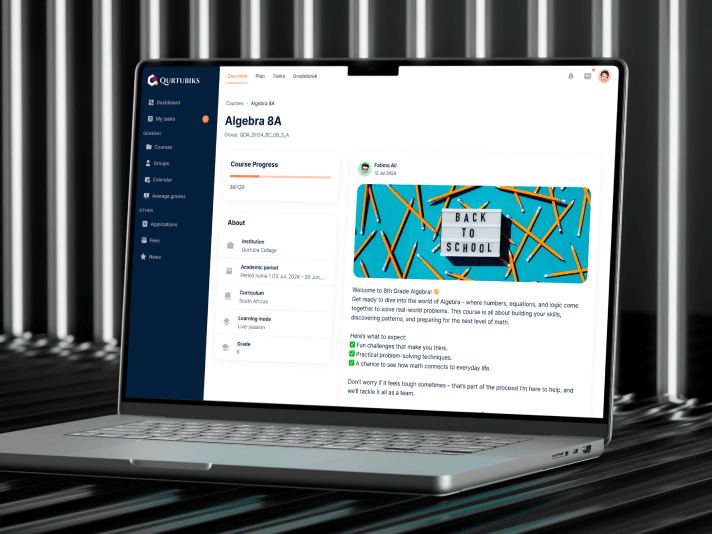
#UX audit #Product redesign #web Development
Qurtuba
 Johannesburg, South Africa
Johannesburg, South Africa
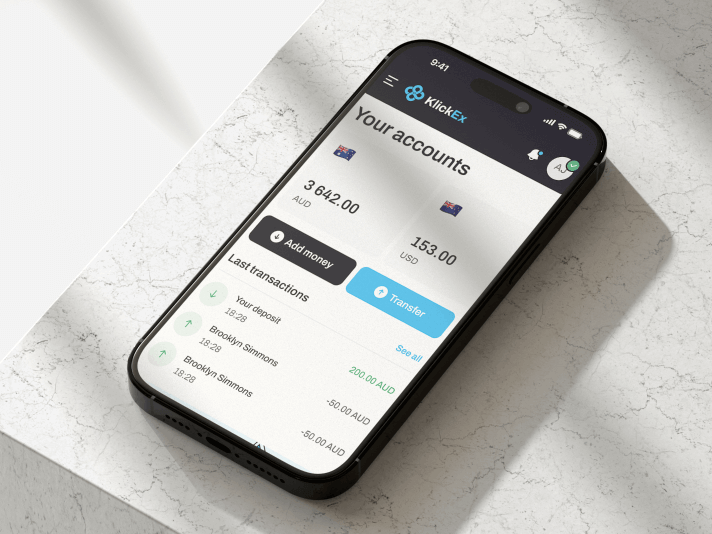
#UX audit #Product redesign #web development
Nomupay
 New Zealand
New Zealand
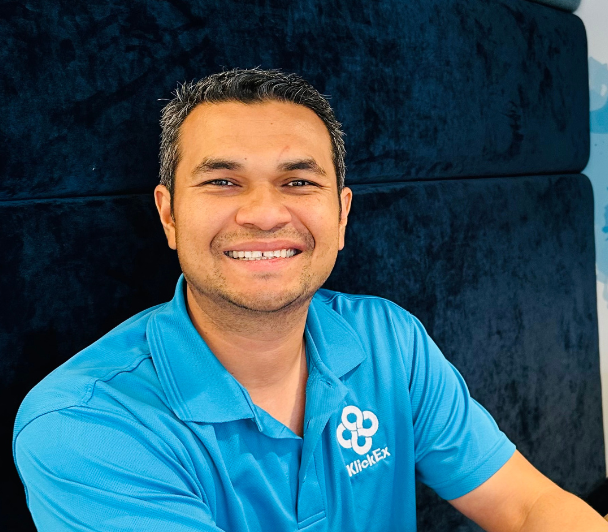
Izek Lal
Country managerWe have seen a significant improvement in terms of mobile friendliness and the general flow of the system. I believe this has contributed significantly to the growth of our business. Many thanks, Phenomenon.
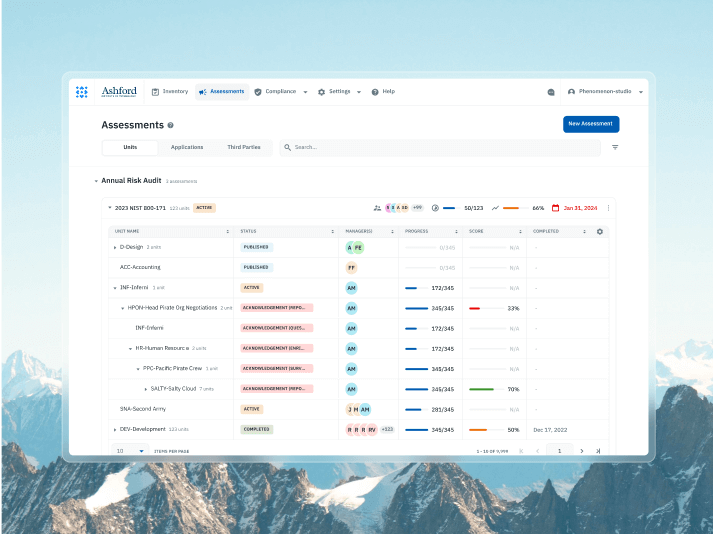
#UX Audit #Product redesign #Web development #Team extention
SaltyCloud
 Texas, USA
Texas, USA



Craig Tortolani
CPO at Dekryption Labs
Alex Friedman
CEO at Open PathNot only is the team extremely communicative, their work is exceptional. I have never worked with a team so talented while also being competitively priced and communicative.

KlickEx Team

George Fry
Founder at NeapThe quality of the designs is fantastic. Phenomenon Studio works at speed and is extremely punctual with timelines. They deliver top-notch outcomes with exceptional designs.

Andre Guerra
Co-Owner at RADCAT Design
Kevin Alvarez
Founder & General Partner, PredictivePhenomenon Studio's ability to translate concepts and rough design mock-ups into high-fidelity assets, designs, and visuals was very impressive. The goal was to maintain simple elegance in the design aesthetic, and they did it very well.
01
Platform complexity
Simple dashboard ($40K-$60K) vs multi-tenant SaaS ($120K-$200K) vs enterprise compliance ($250K+).
02
Data architecture
Basic CRUD vs complex relationships vs real-time sync across concurrent users.
03
Integration depth
Standalone vs CRM/ERP/payment connections vs legacy systems needing custom middleware.
04
Compliance requirements
Basic security vs HIPAA with BAAs vs SOC 2 Type II with audits and penetration testing.
05
Performance requirements
Standard hosting vs cloud architecture with CDN, caching, auto-scaling, global sub-2s loads.
06
Timeline pressure
Standard 12-16 weeks vs 8-week accelerated delivery with additional developers.






32+
others
others
Have a project in mind?
Let's chat
Have a project to
discuss?
discuss?


Have a partnership in
mind?
mind?