


Krios — simplifying infrastructure readiness for data centers, utilities, and governments
 Finland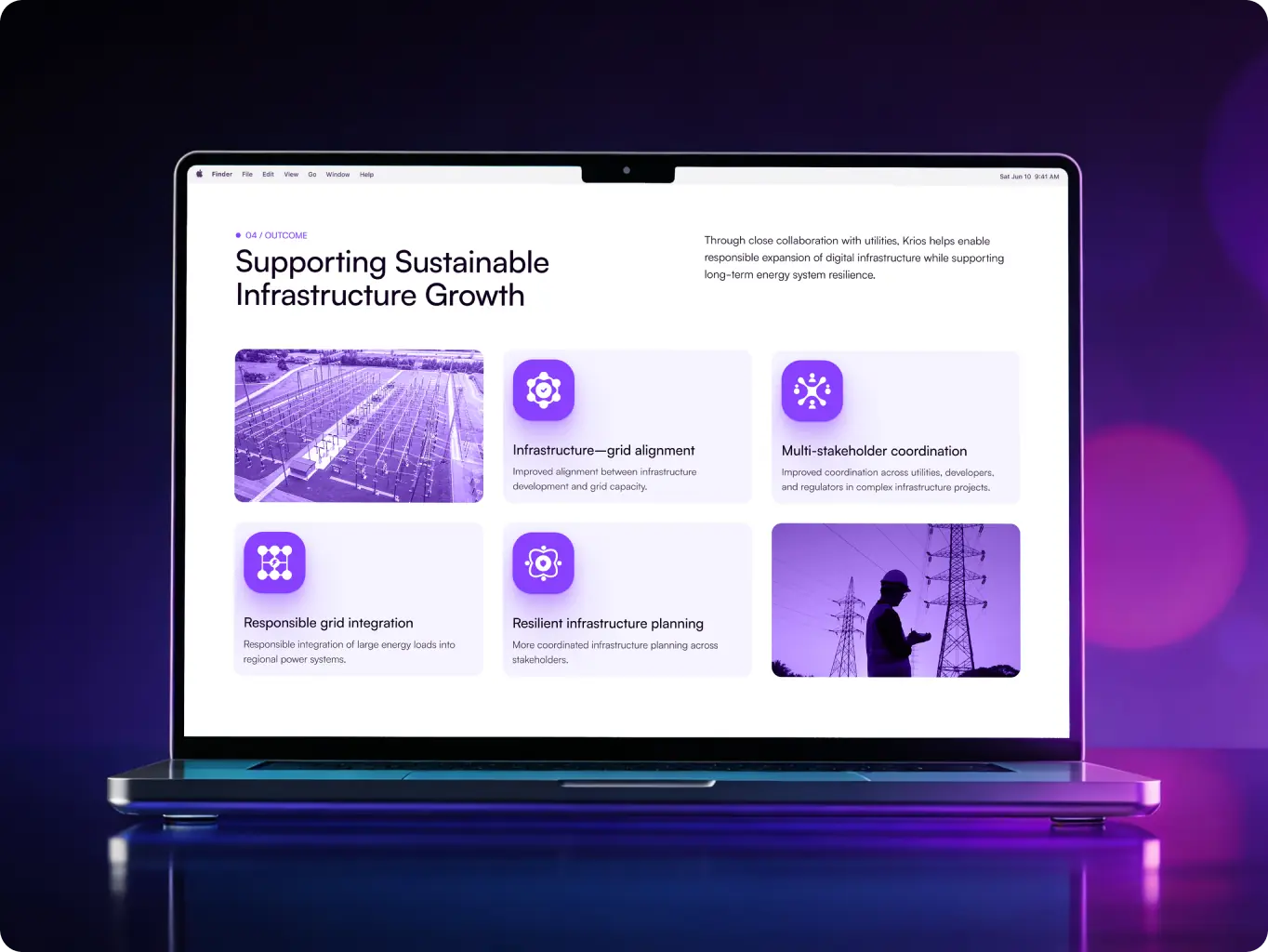
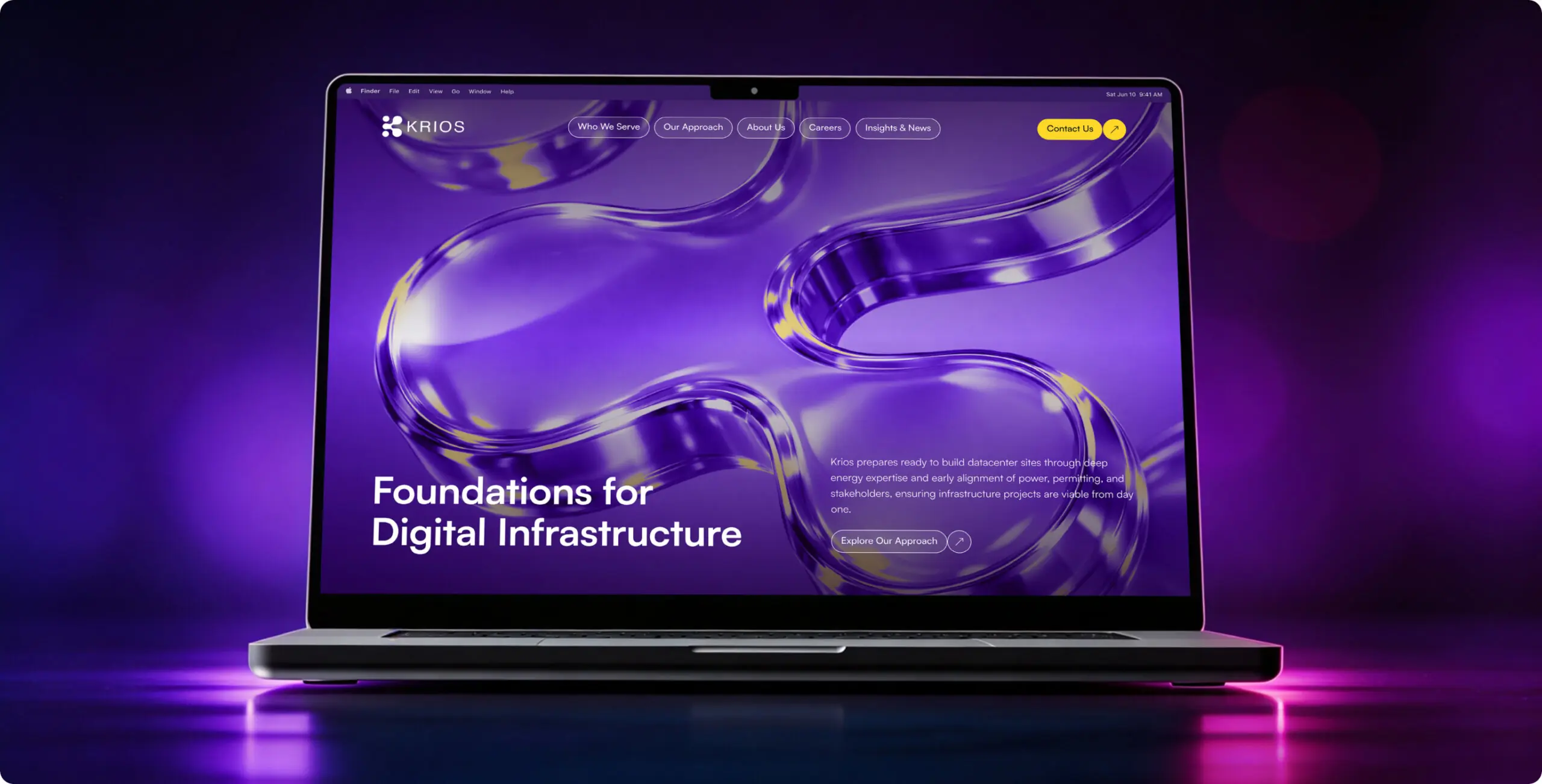
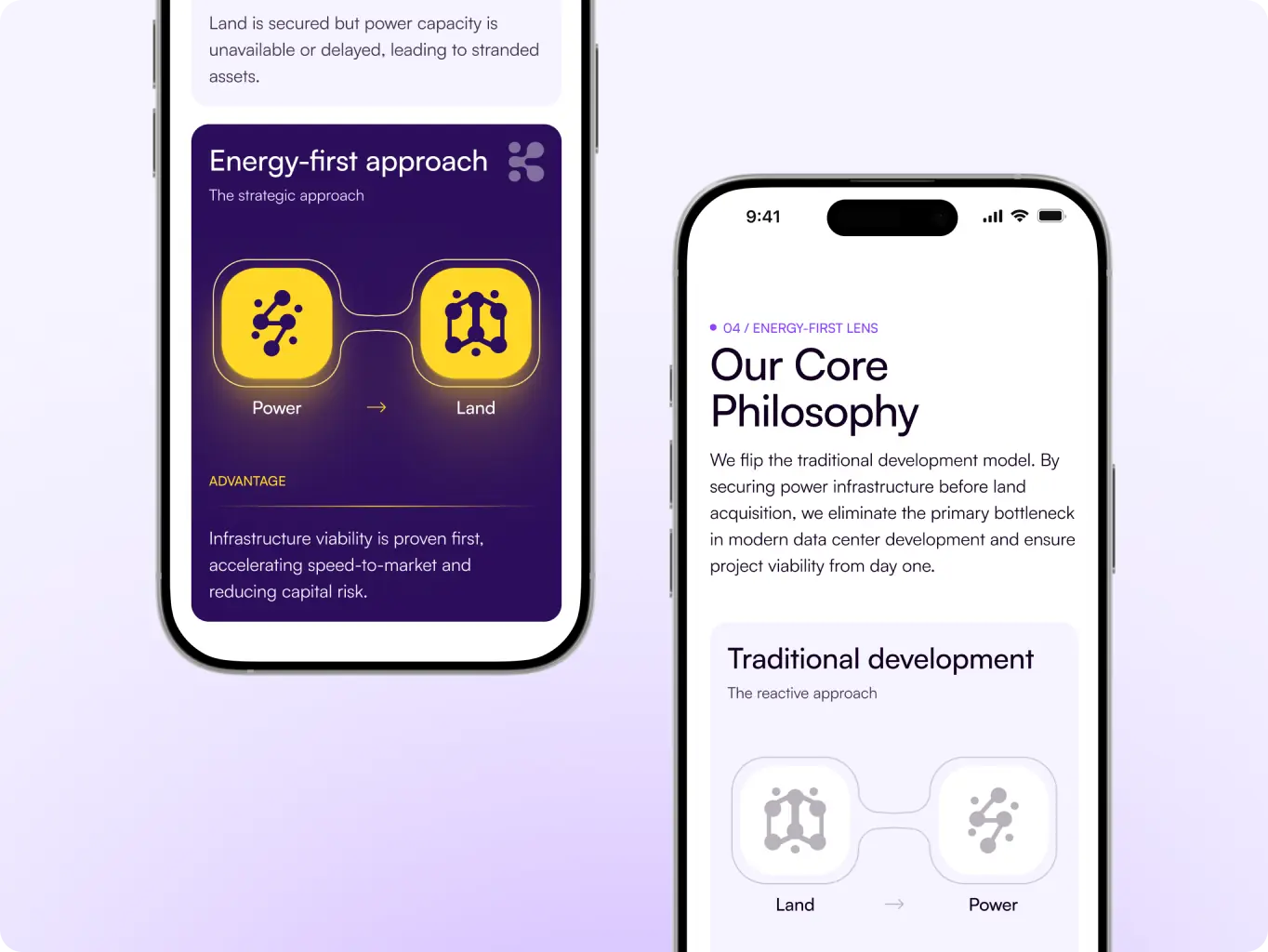
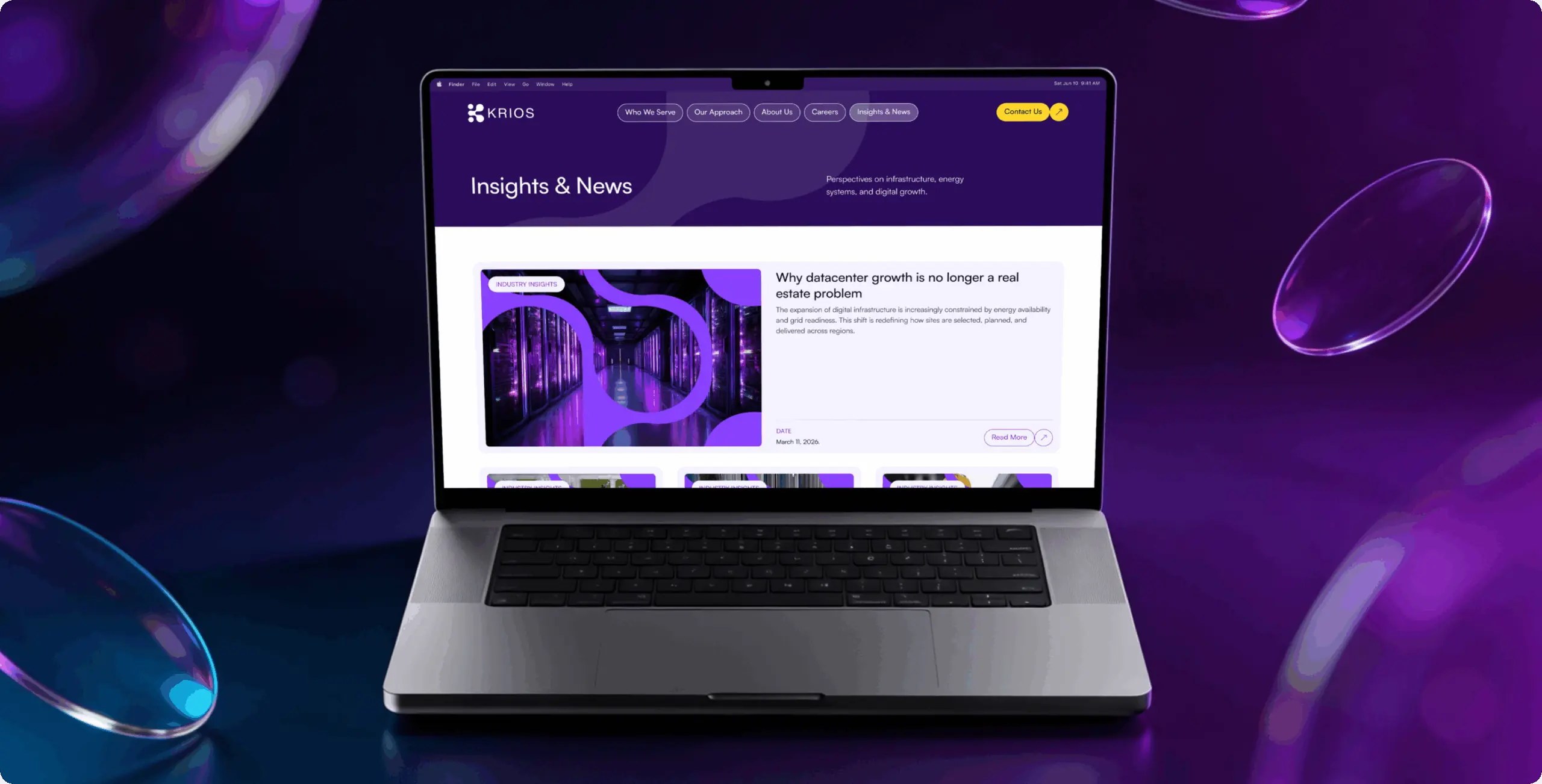
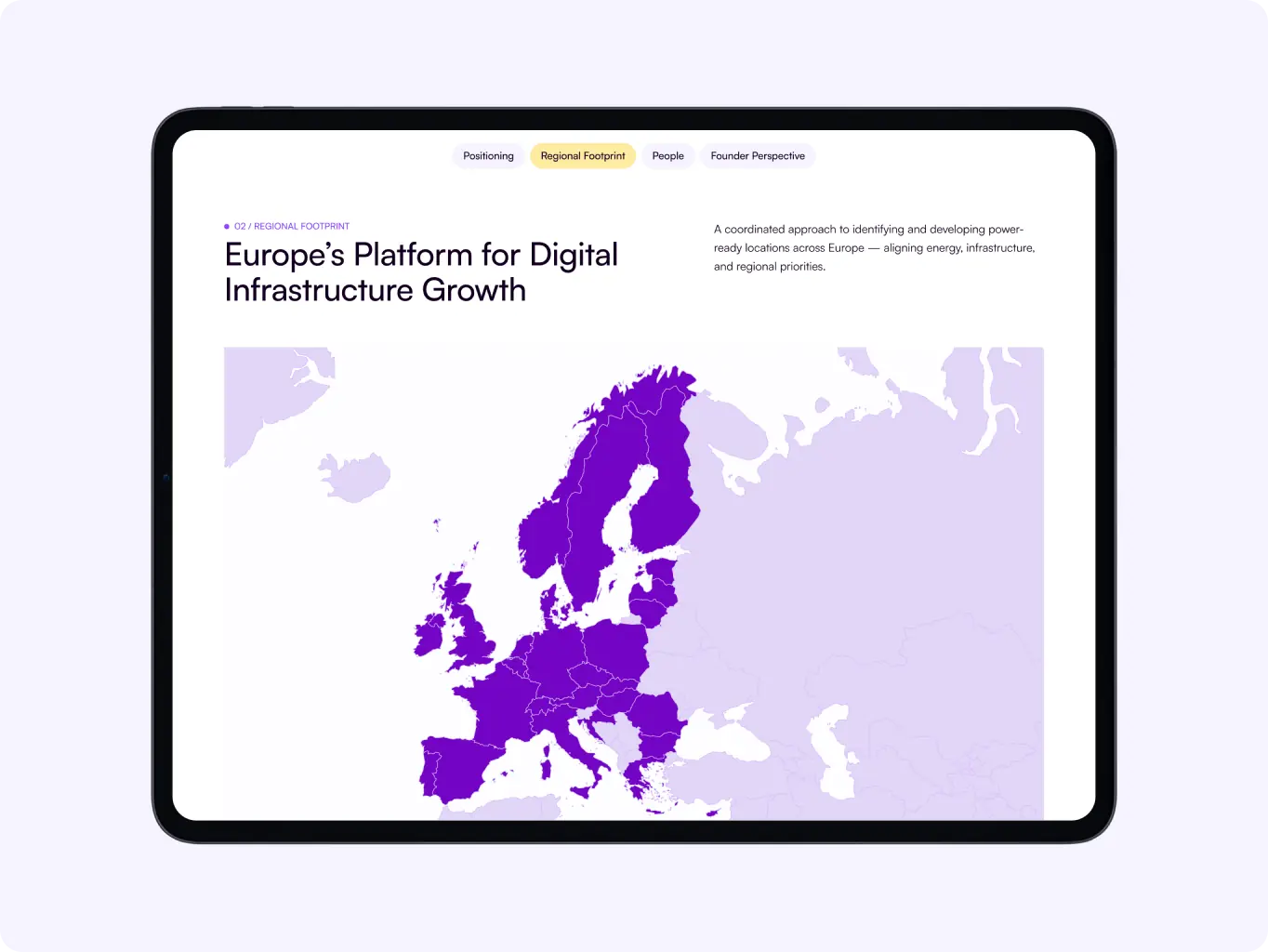
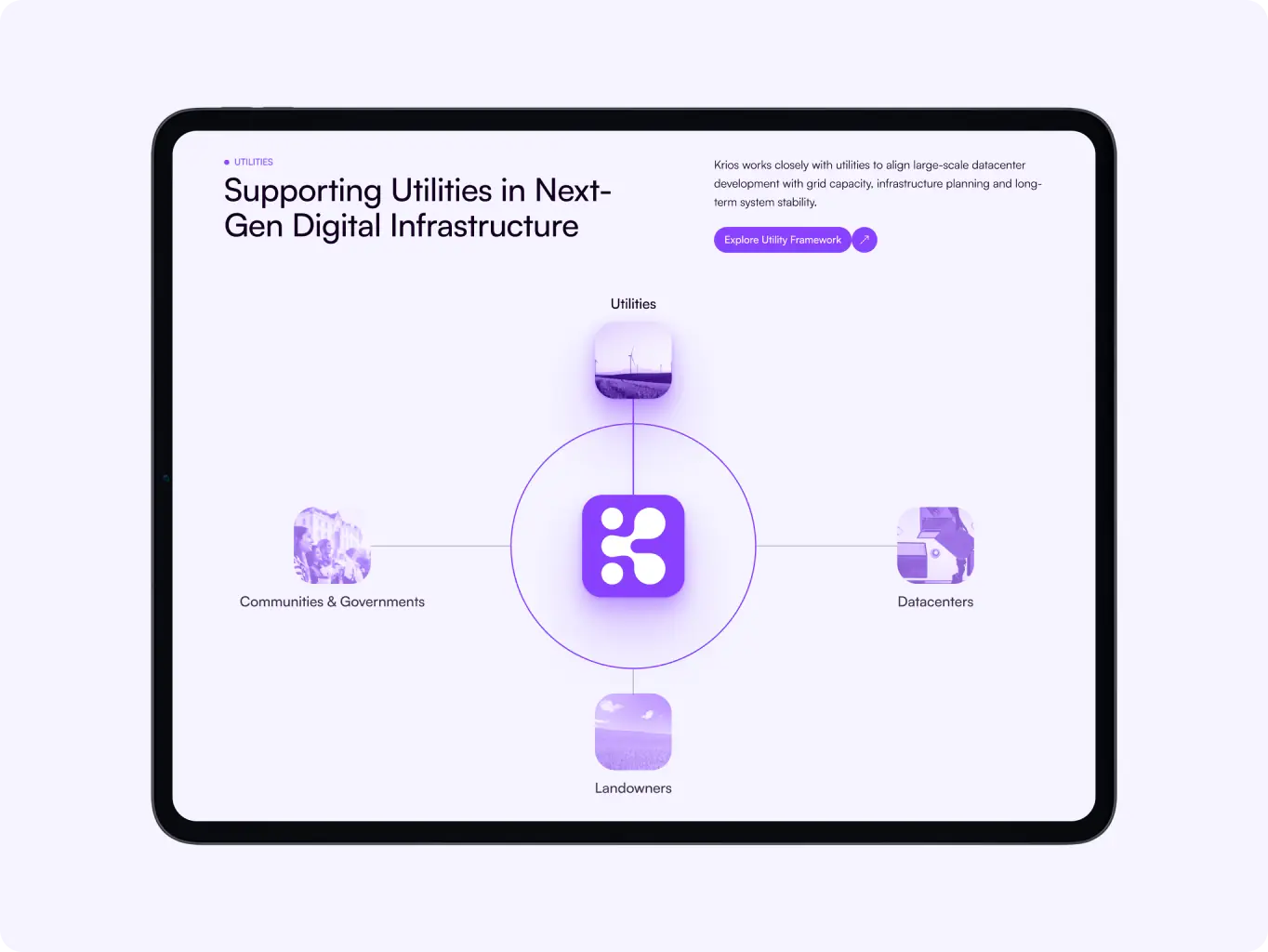
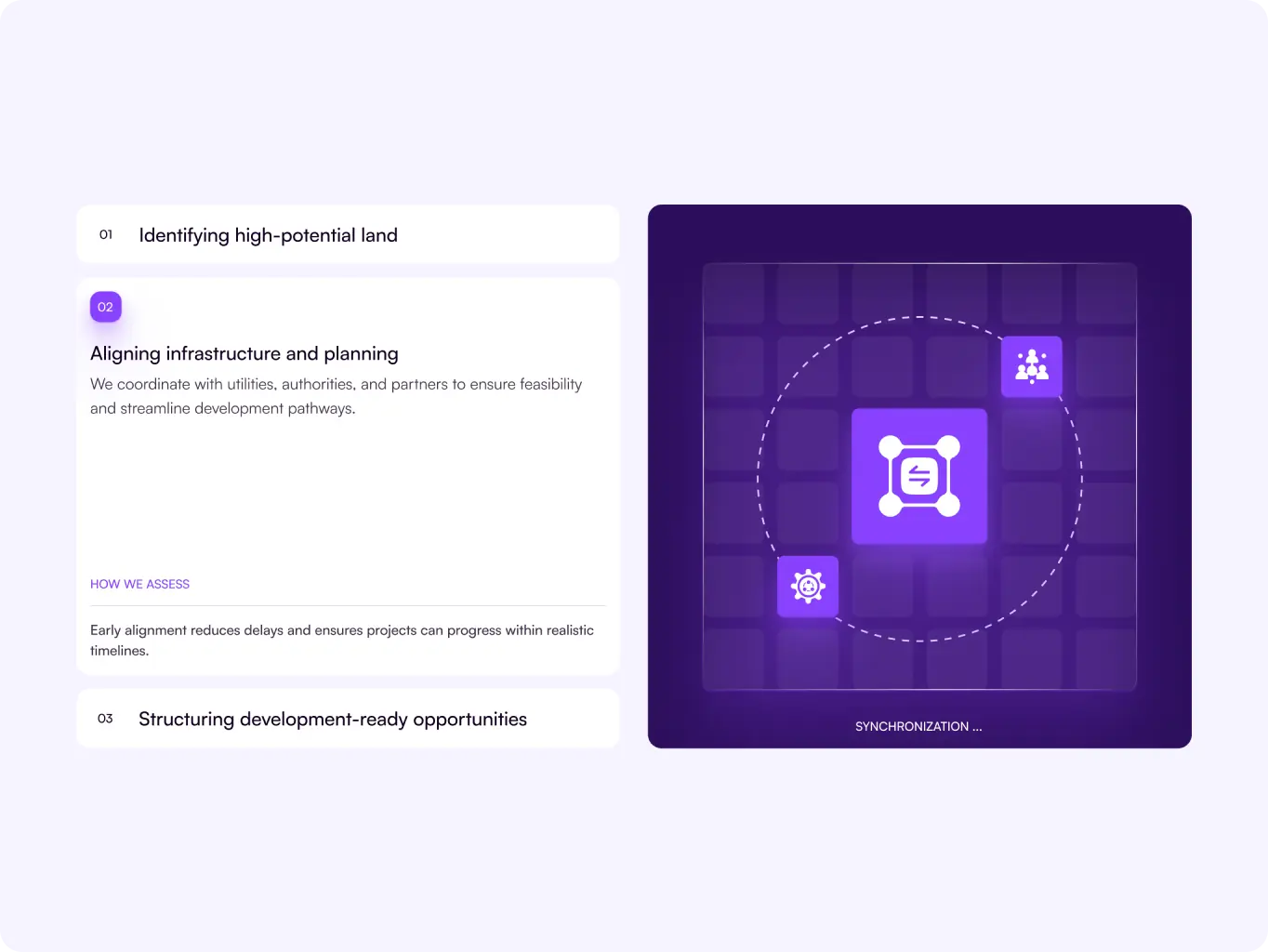
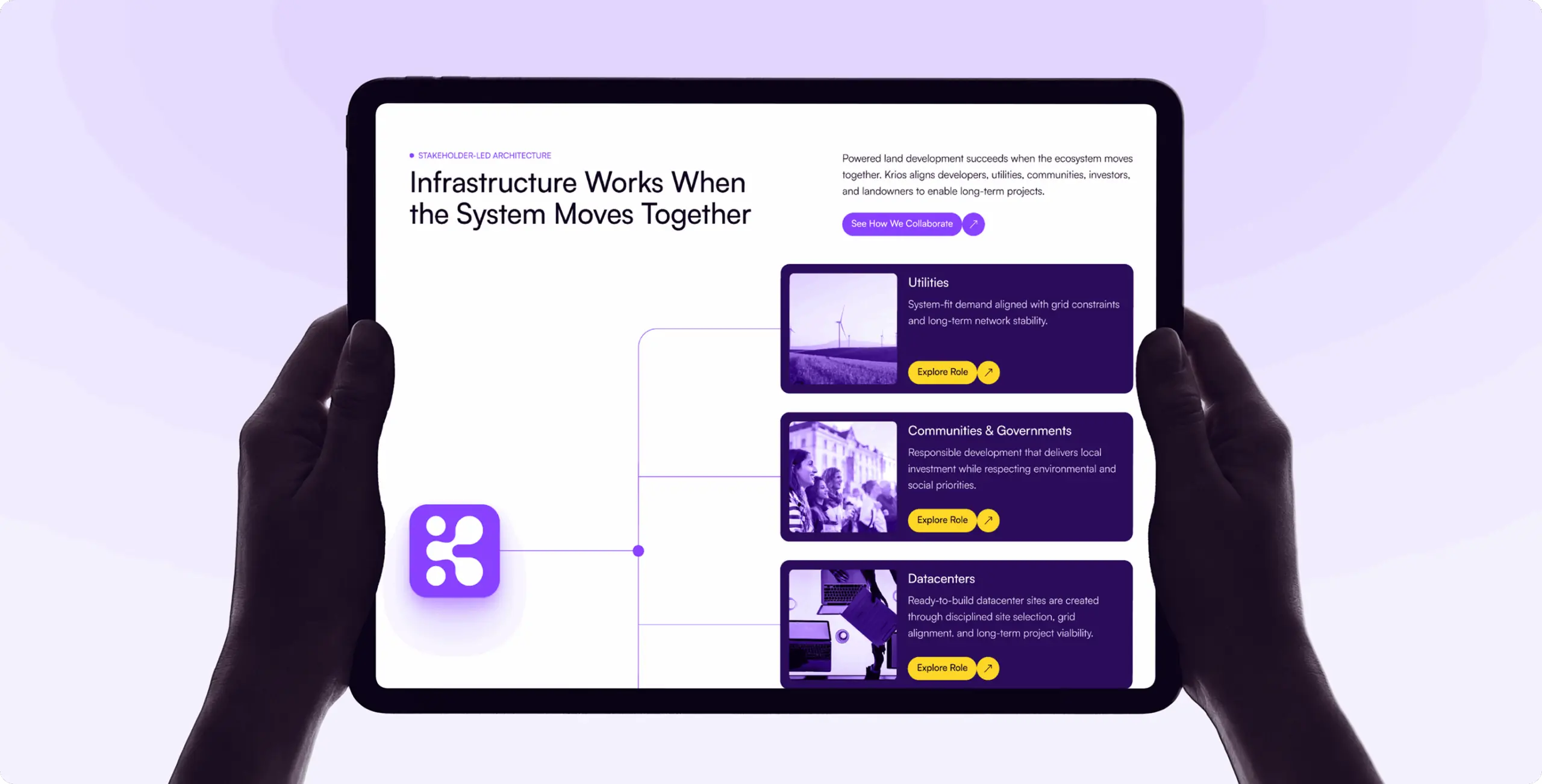
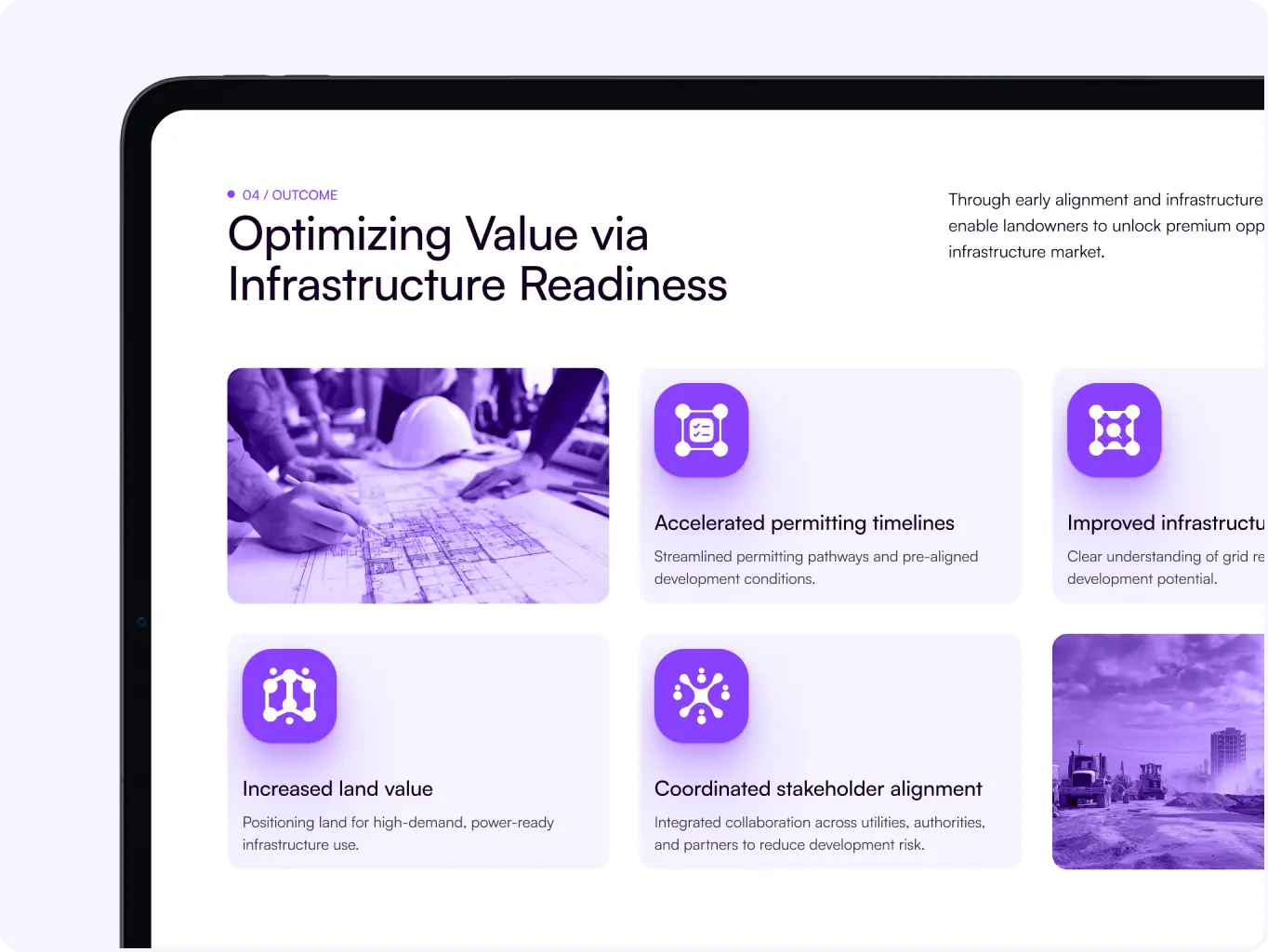
The website needed to position Krios as a strategic infrastructure partner rather than another development or consulting company. The challenge was to explain a technically complex offering while maintaining clarity for different audiences, including data centers, utilities, governments, and investors.
Due to an accelerated launch timeline, the project was delivered in two phases. Core pages were released first to support immediate business objectives, while additional content and supporting pages were completed during the second phase. Throughout the project, daily stand-ups with the client ensured fast decision-making, alignment, and continuous progress.
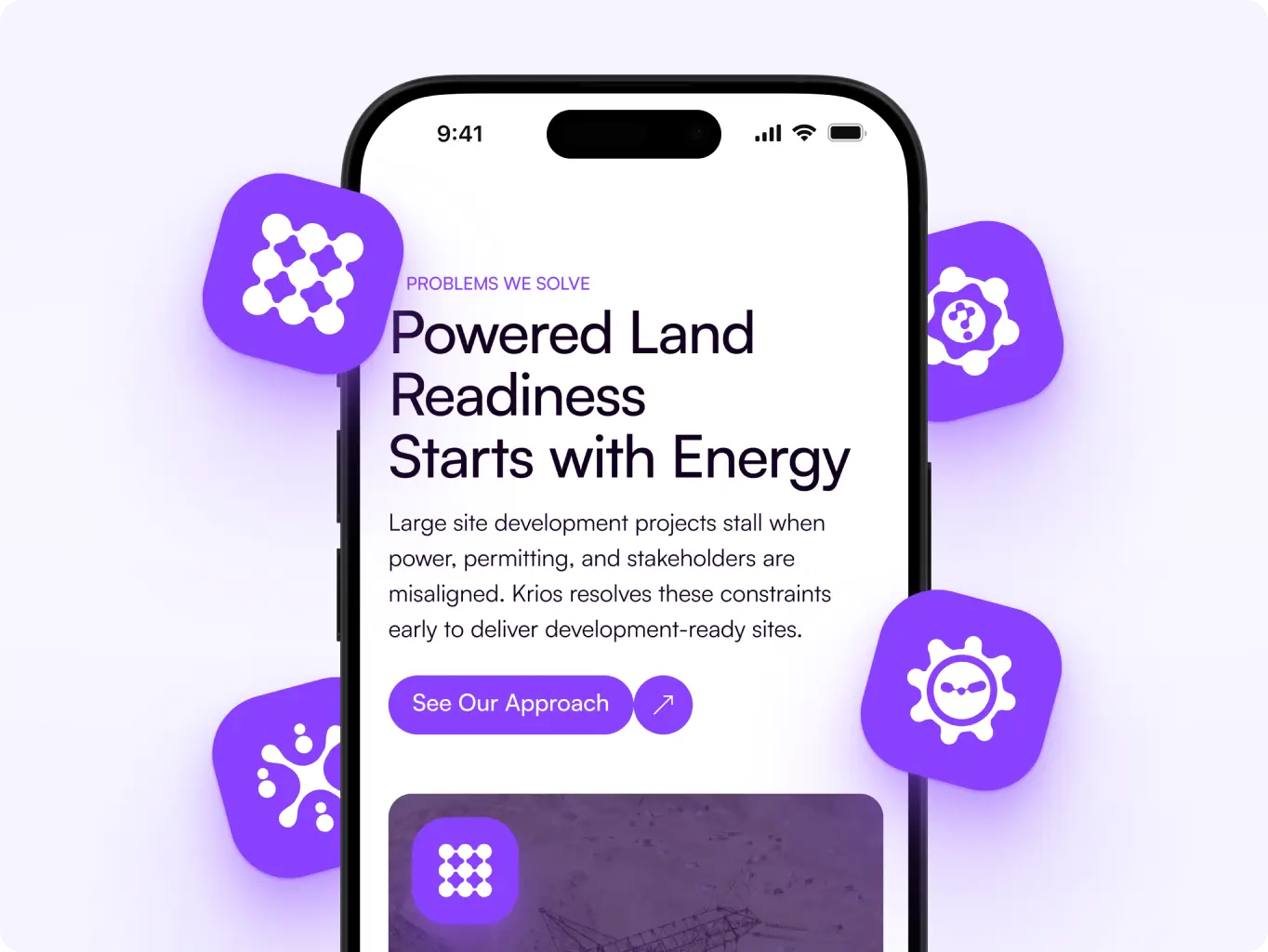
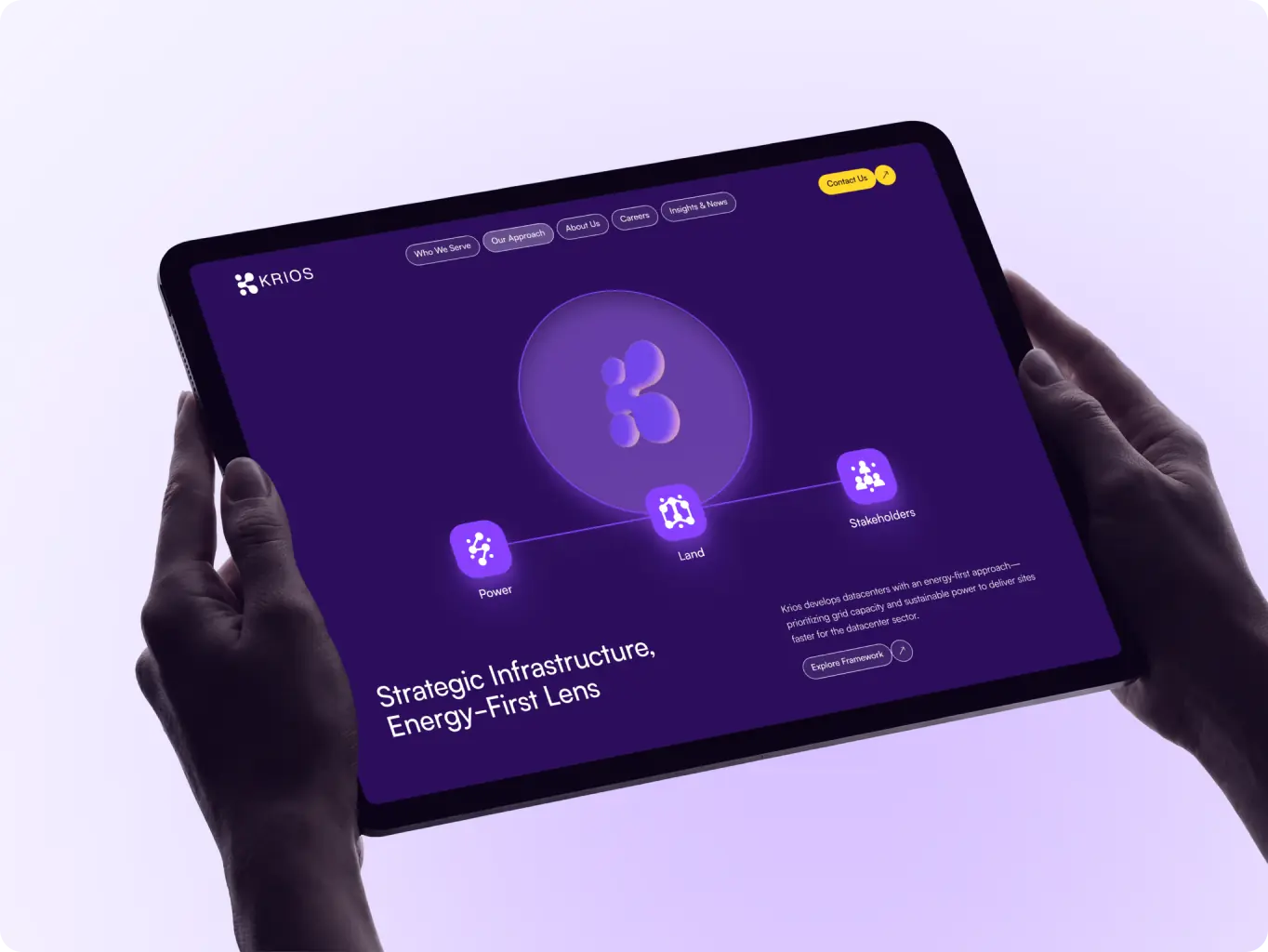
Research focused on understanding how leading infrastructure and energy-transition companies communicate credibility, explain technical processes, and engage institutional audiences. We analyzed competitors including Cloverleaf Infrastructure, Terrapact, and Tract to identify best practices in positioning, trust-building, stakeholder messaging, content structure, and conversion flow. These insights helped define a stronger strategic position for Krios and highlighted opportunities to differentiate through infrastructure readiness, regulatory intelligence, and stakeholder-led deployment.
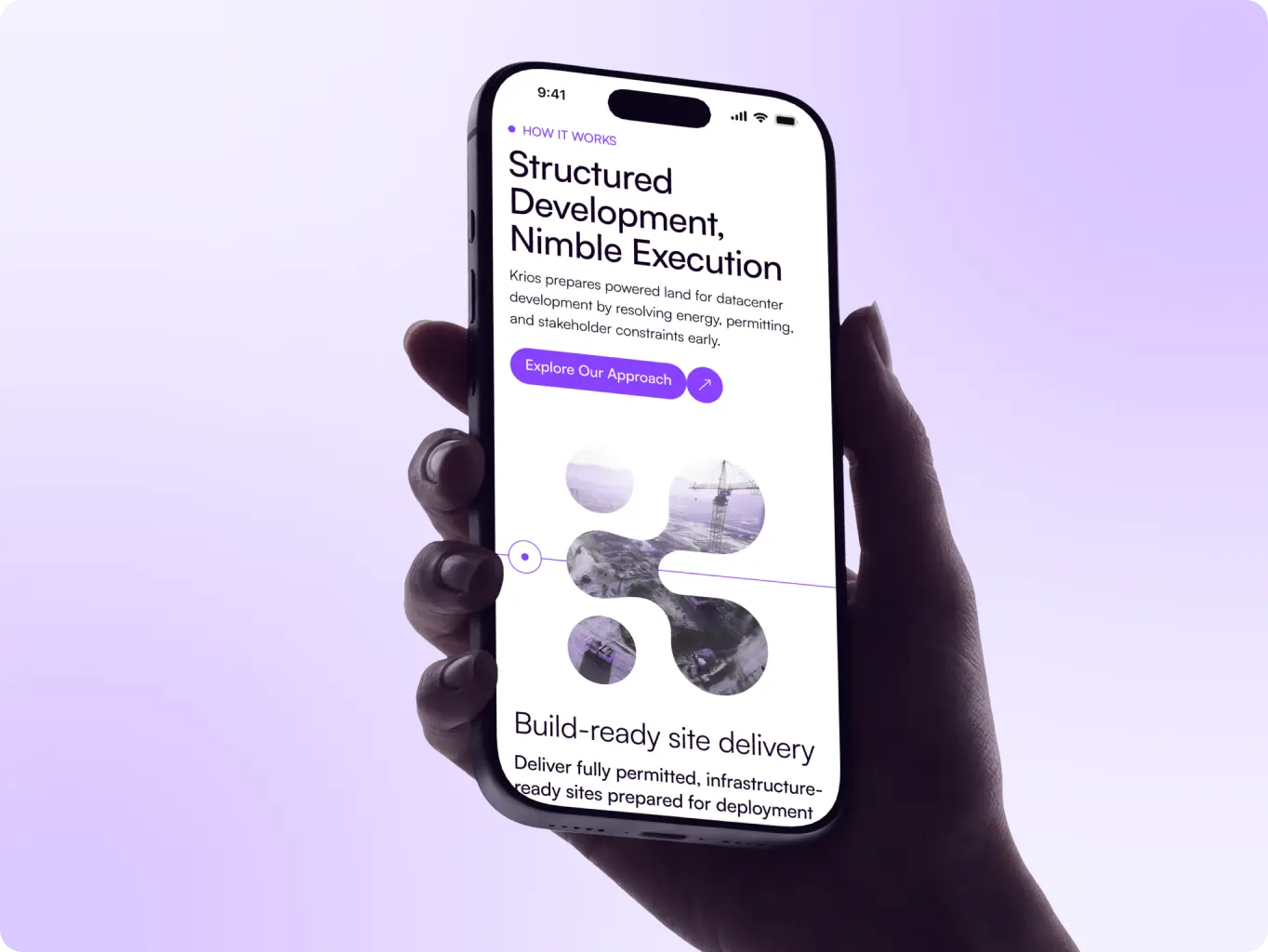
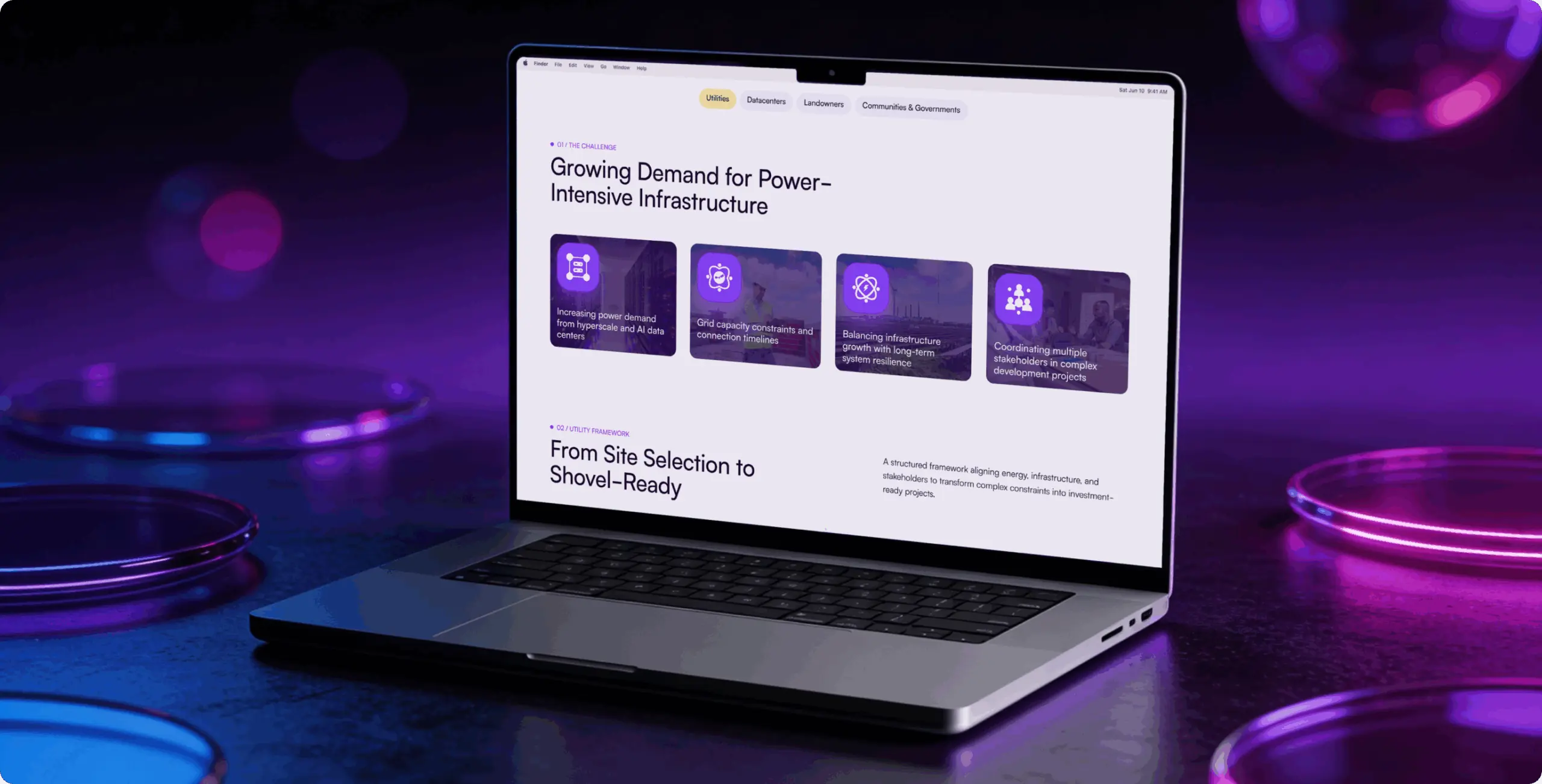
The design phase translated these findings into a clearer digital experience. Design structure, content hierarchy, and page structure were organized around how decision-makers evaluate infrastructure partners. The goal was to make complex information easier to scan, strengthen trust throughout the journey, and create a website that communicates expertise, control, and long-term strategic value.
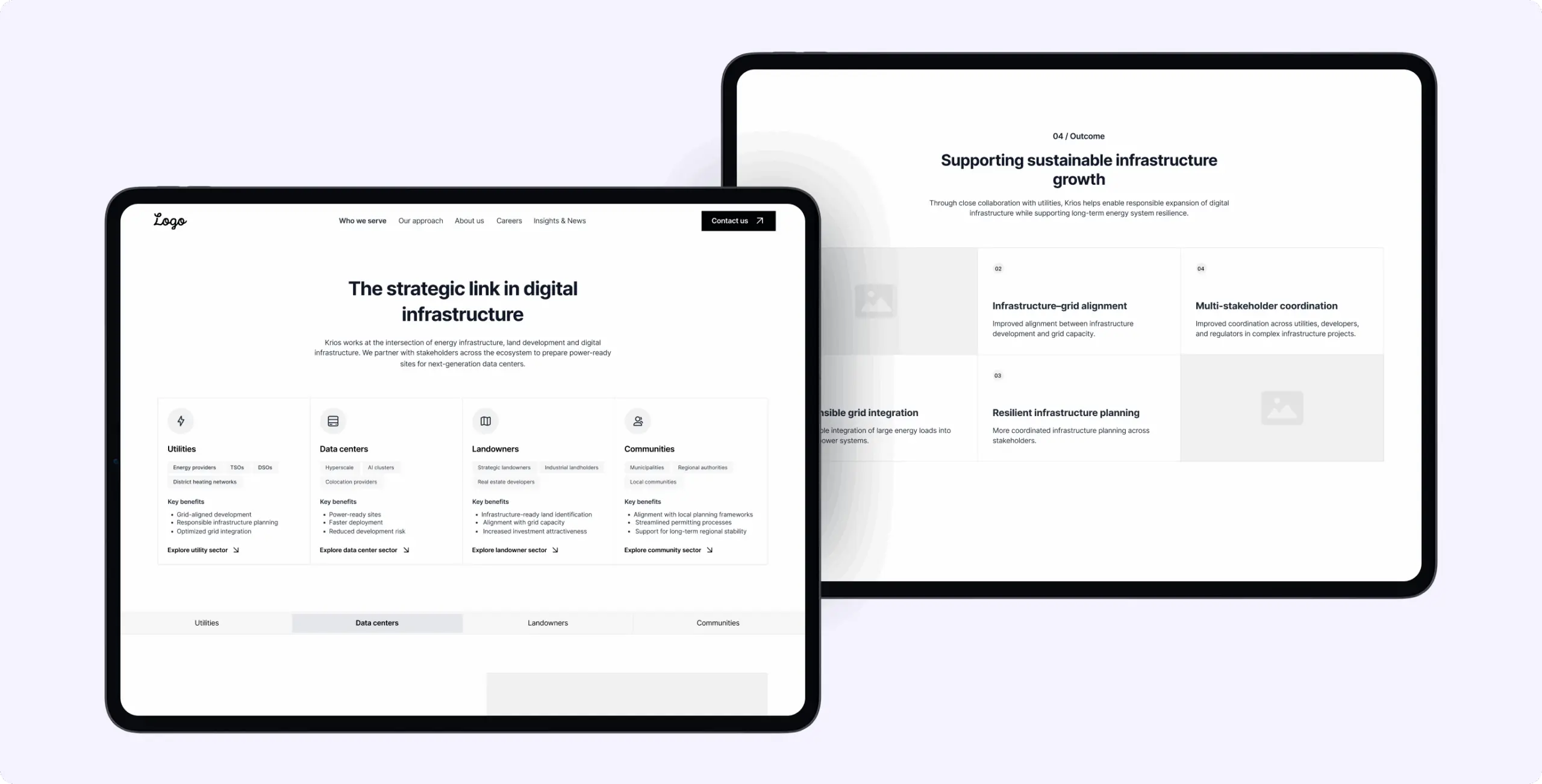
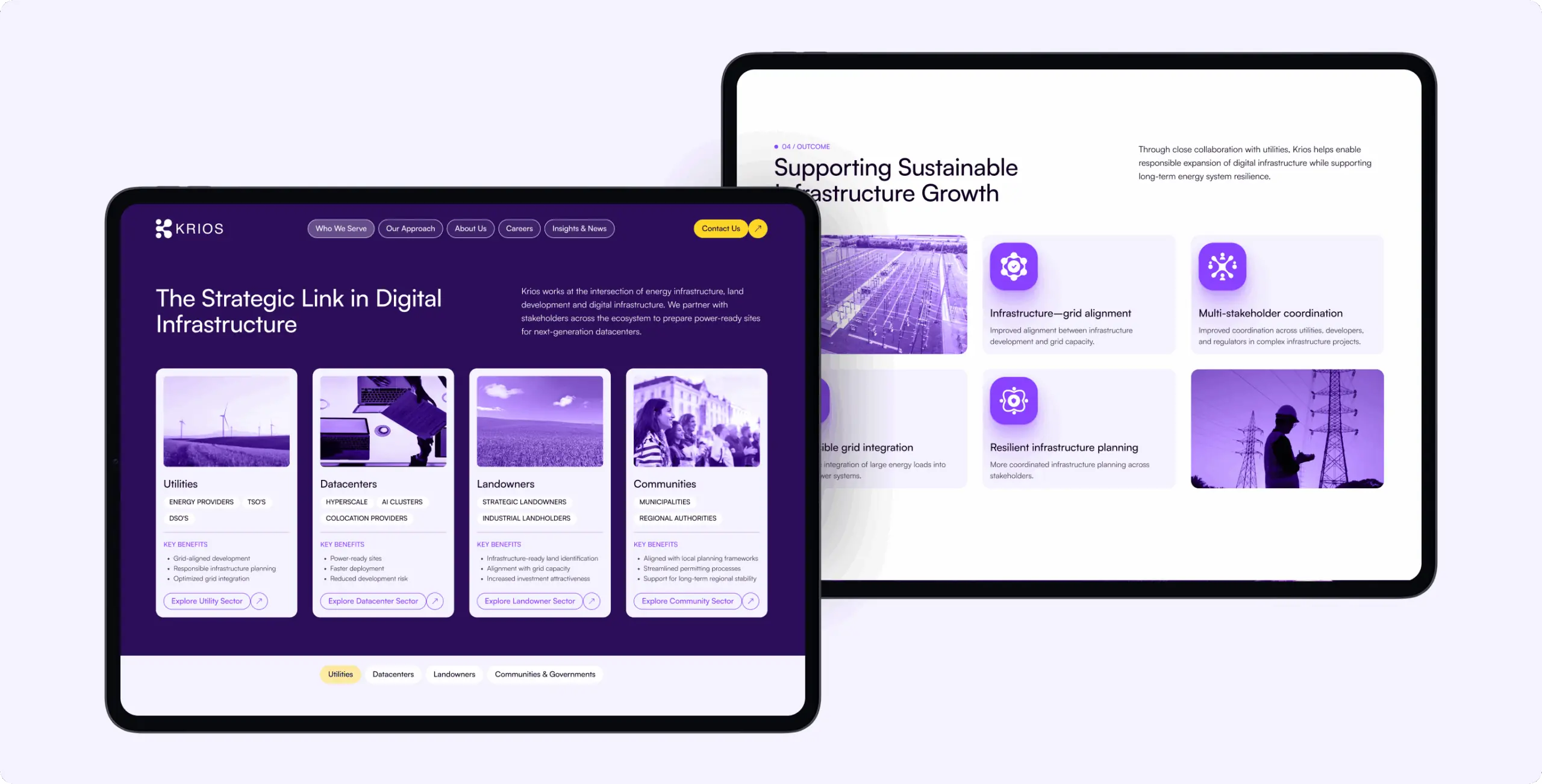
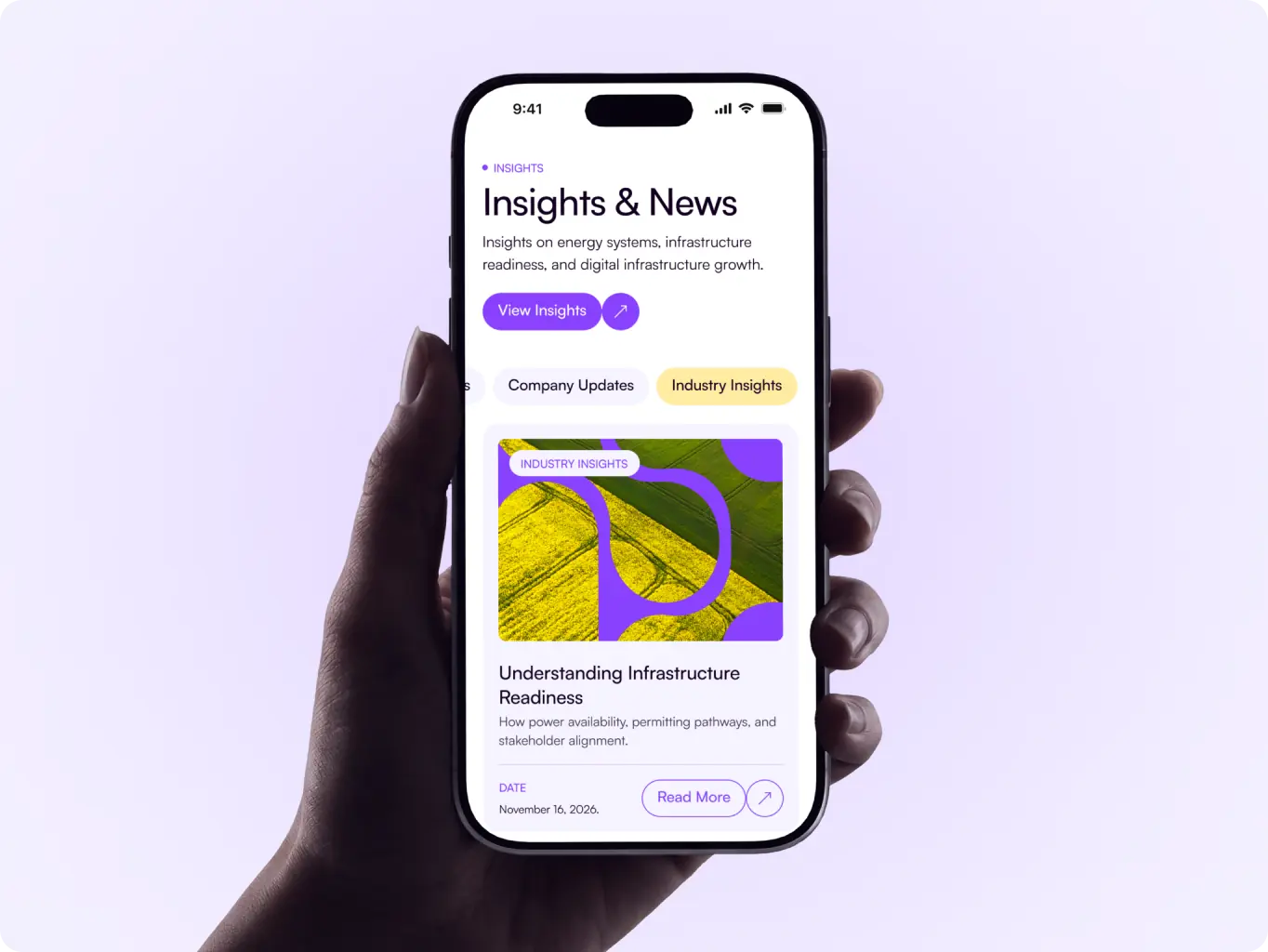
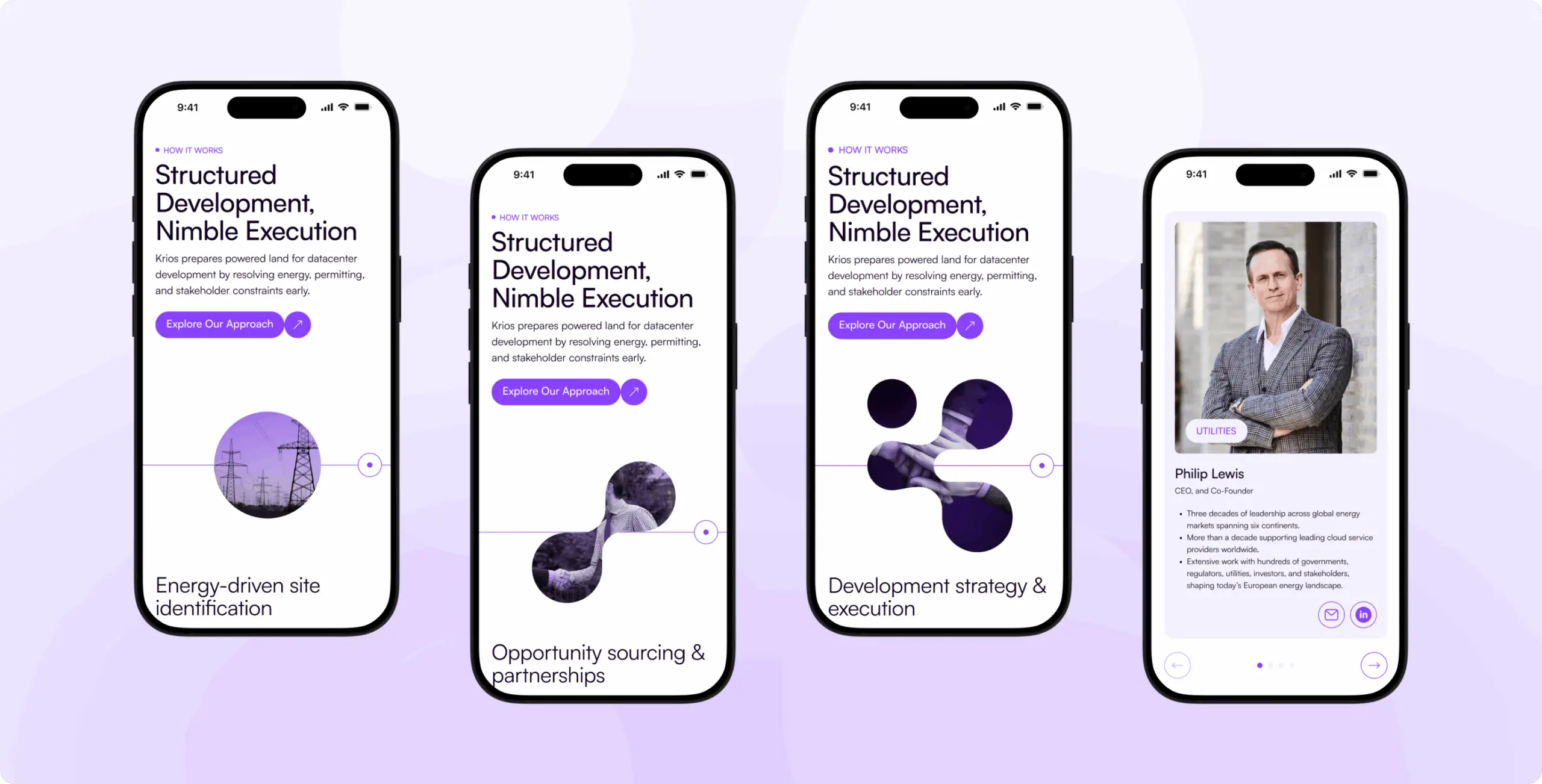
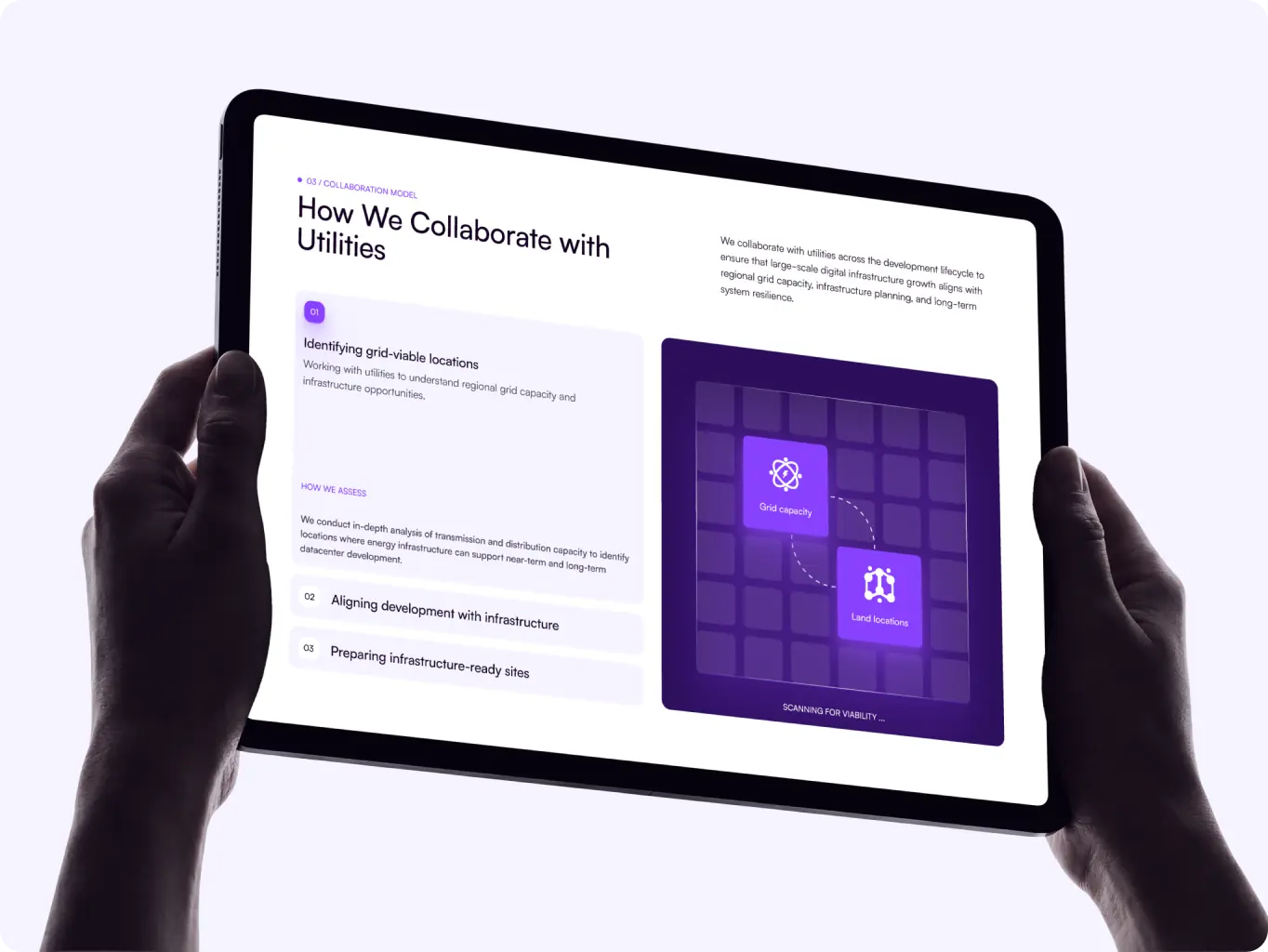
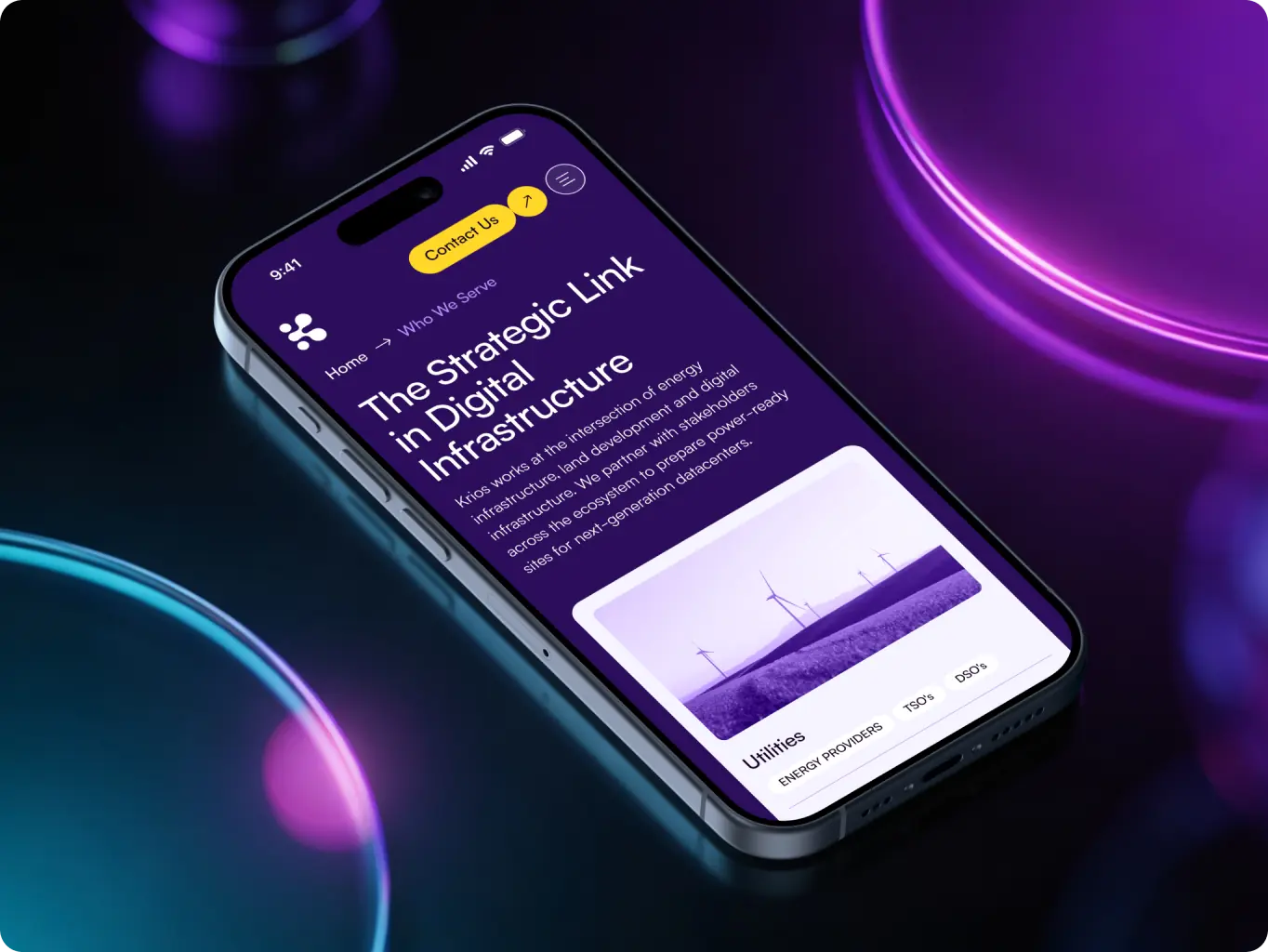
Due to project timelines, development was delivered in two phases. The first release included the core pages required for launch, while the second phase introduced additional pages and supporting content after the initial release.
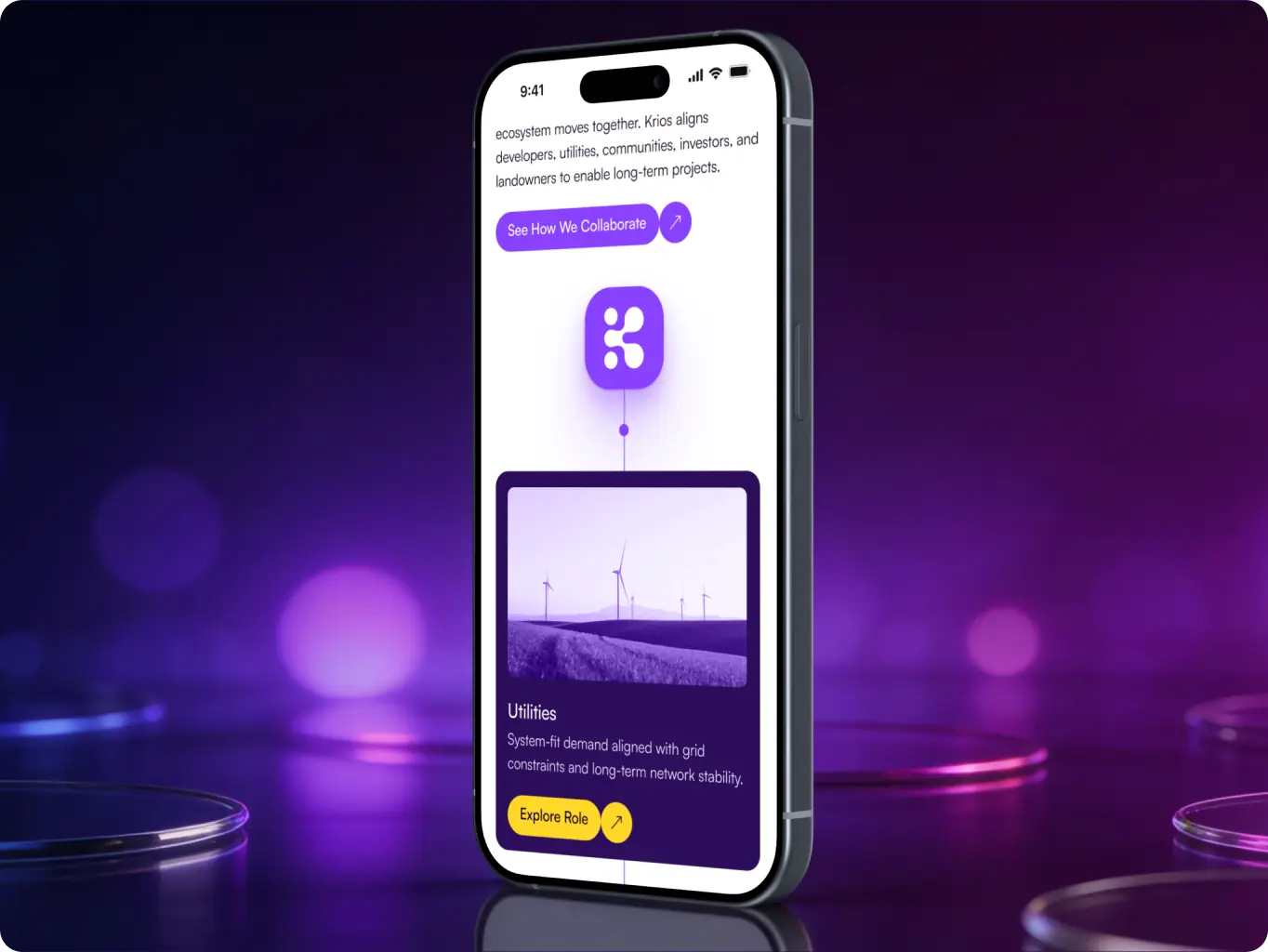
The website was developed in Webflow by our team, with ongoing QA, responsive testing, content implementation, and stakeholder reviews throughout the process. Daily stand-ups with the client enabled rapid feedback, faster decision-making, and continuous alignment between strategy, design, and development. This approach allowed us to maintain quality while meeting an aggressive launch schedule.

Webflow
#website design #website development
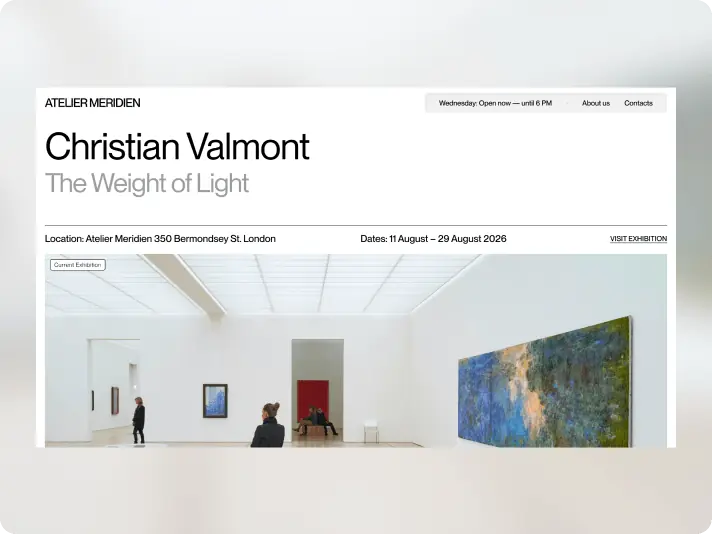
atelier meredian
 USA
USA
USA
#Website design #website development
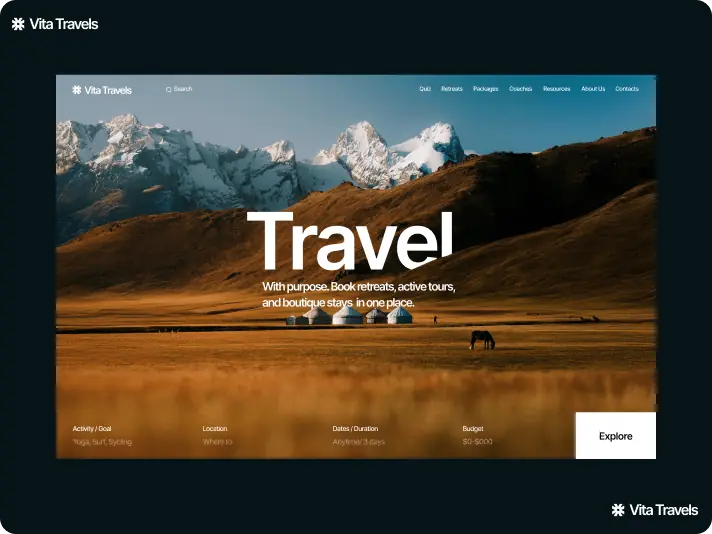
vita travels
USA
USA
#Website design #Website development
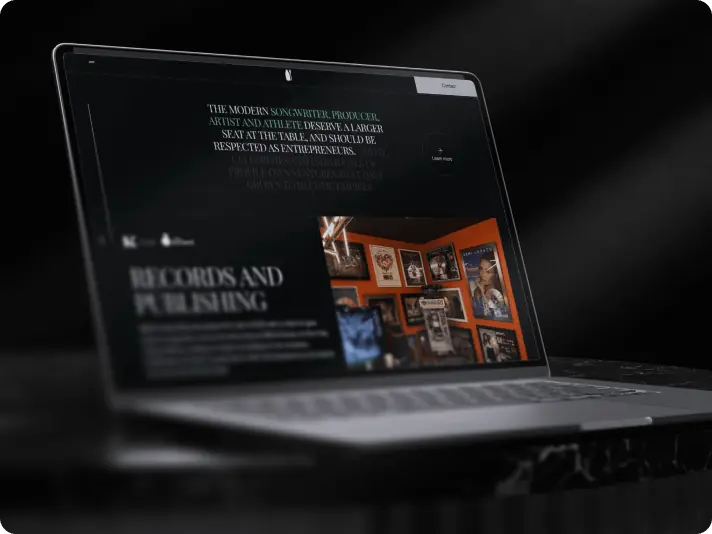
Lucas Keller
USA
USA
