


Twinkle: powering reliable Celestia infrastructure
Client
Twinkle
 USA
USA
USA
Services

Tyler Ussery
COO
Phenomenon Studio's work generated new leads for the client. The team delivered the project on time and was highly responsive to the client's feedback. Phenomenon Studio checked in with the client weekly and implemented changes quickly. Their value for money and easy collaboration stood out.
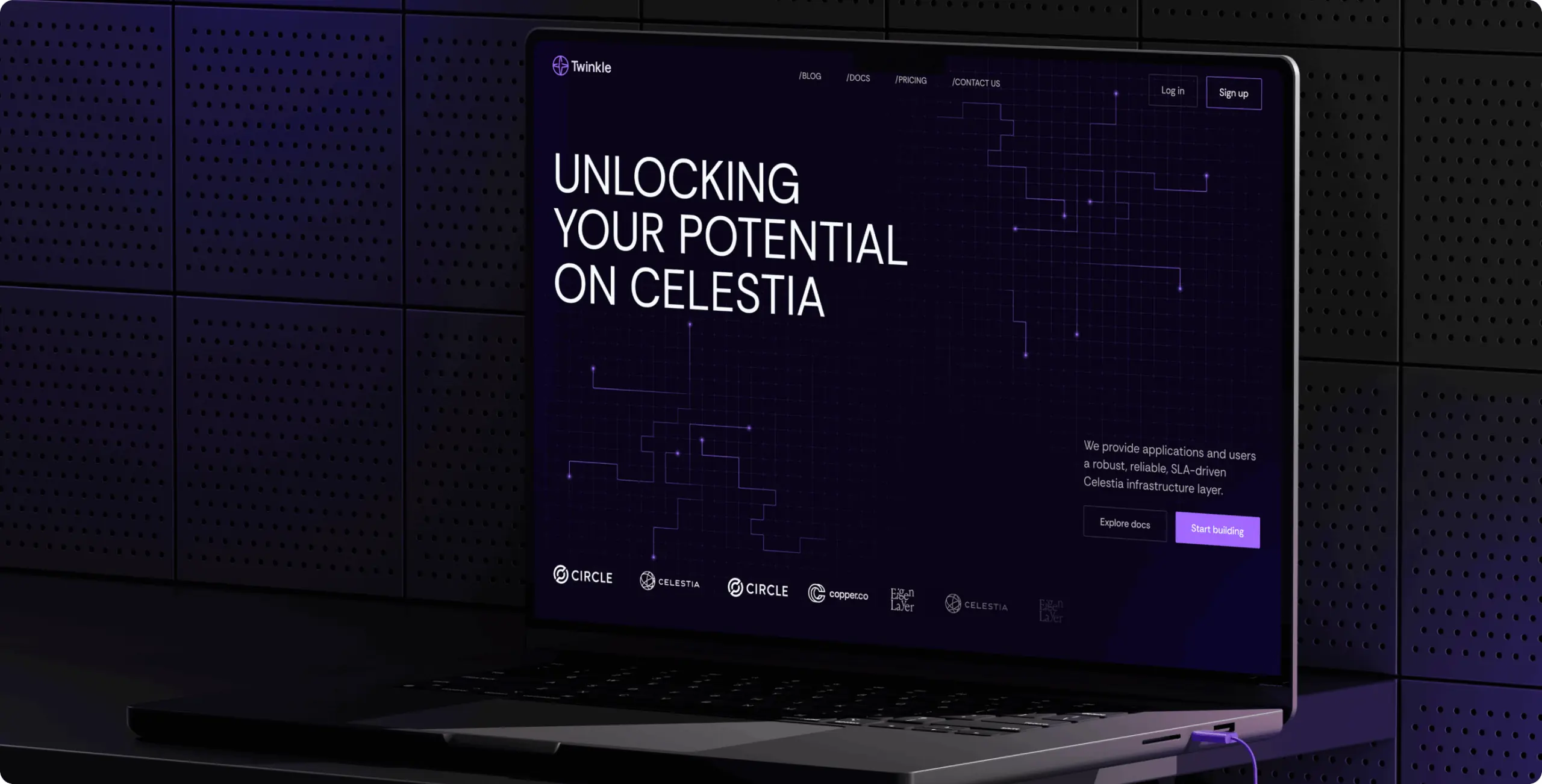
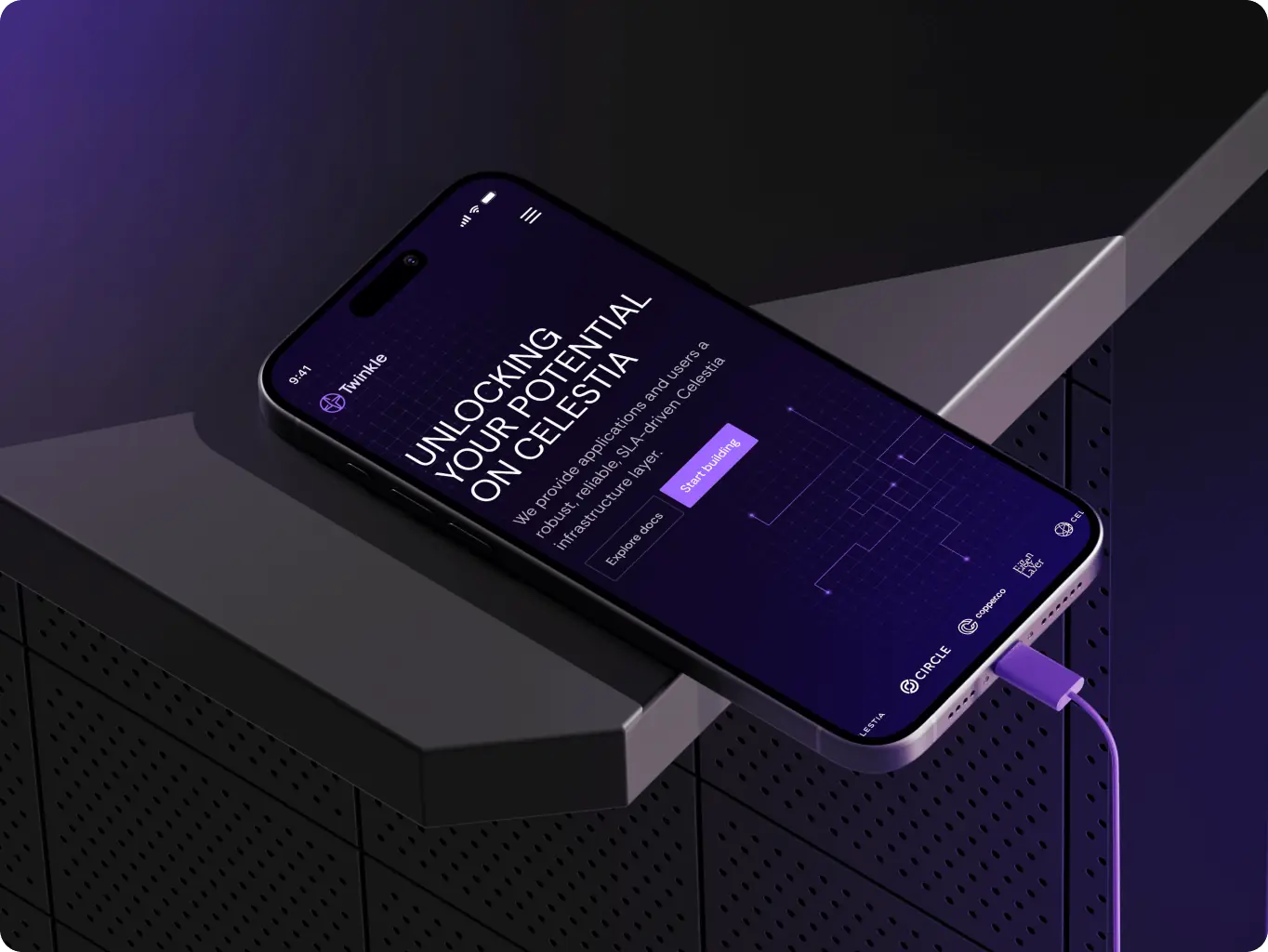
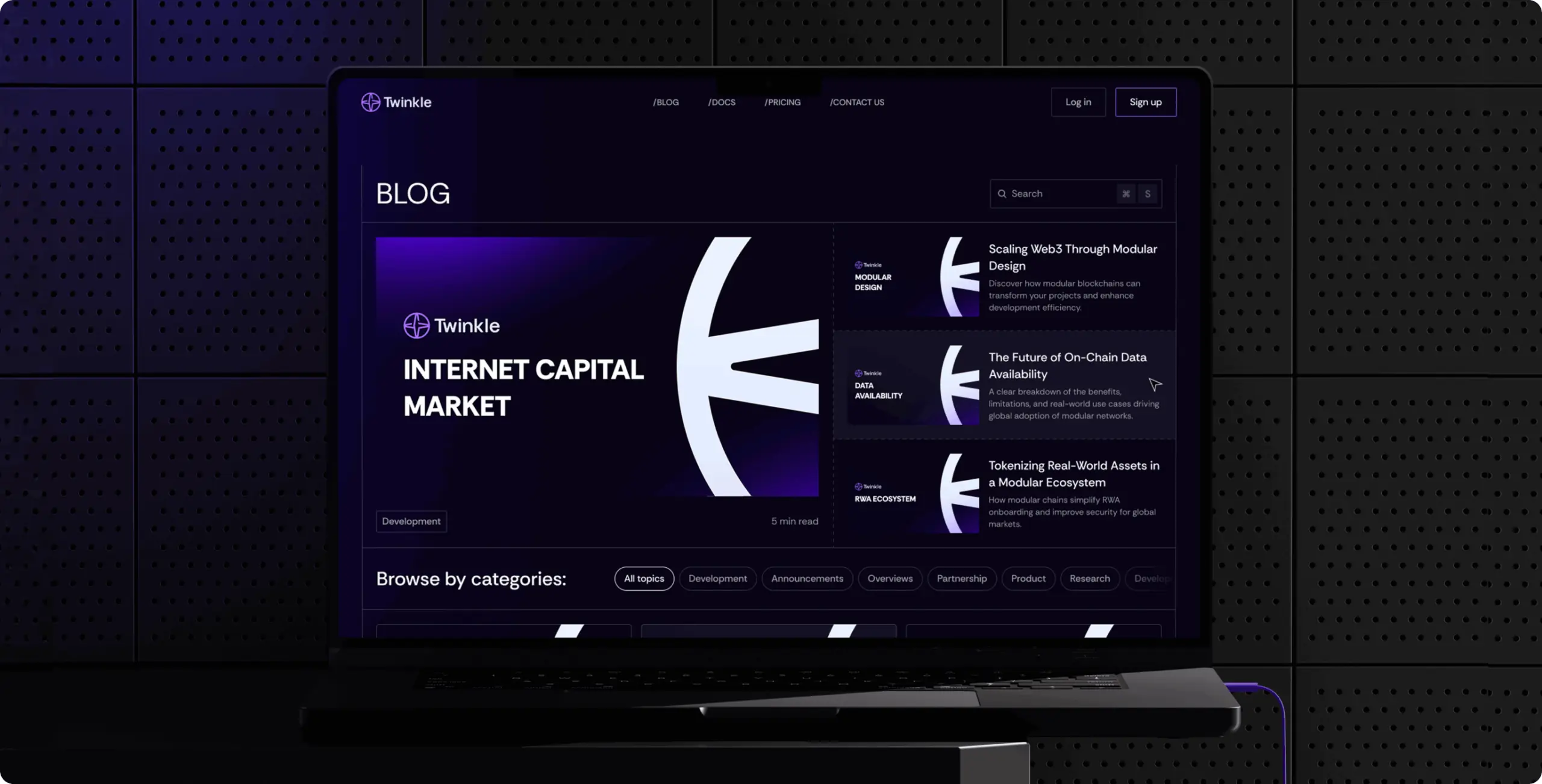
Twinkle approached us to create a clear brand identity and a modern website that could communicate their SLA-driven Celestia infrastructure in a straightforward and trustworthy way.
The client needed a scalable design foundation that would position Twinkle within the modular blockchain ecosystem and support future product growth. Our goal was to build a visual language that balances technical credibility with a distinct, memorable aesthetic.
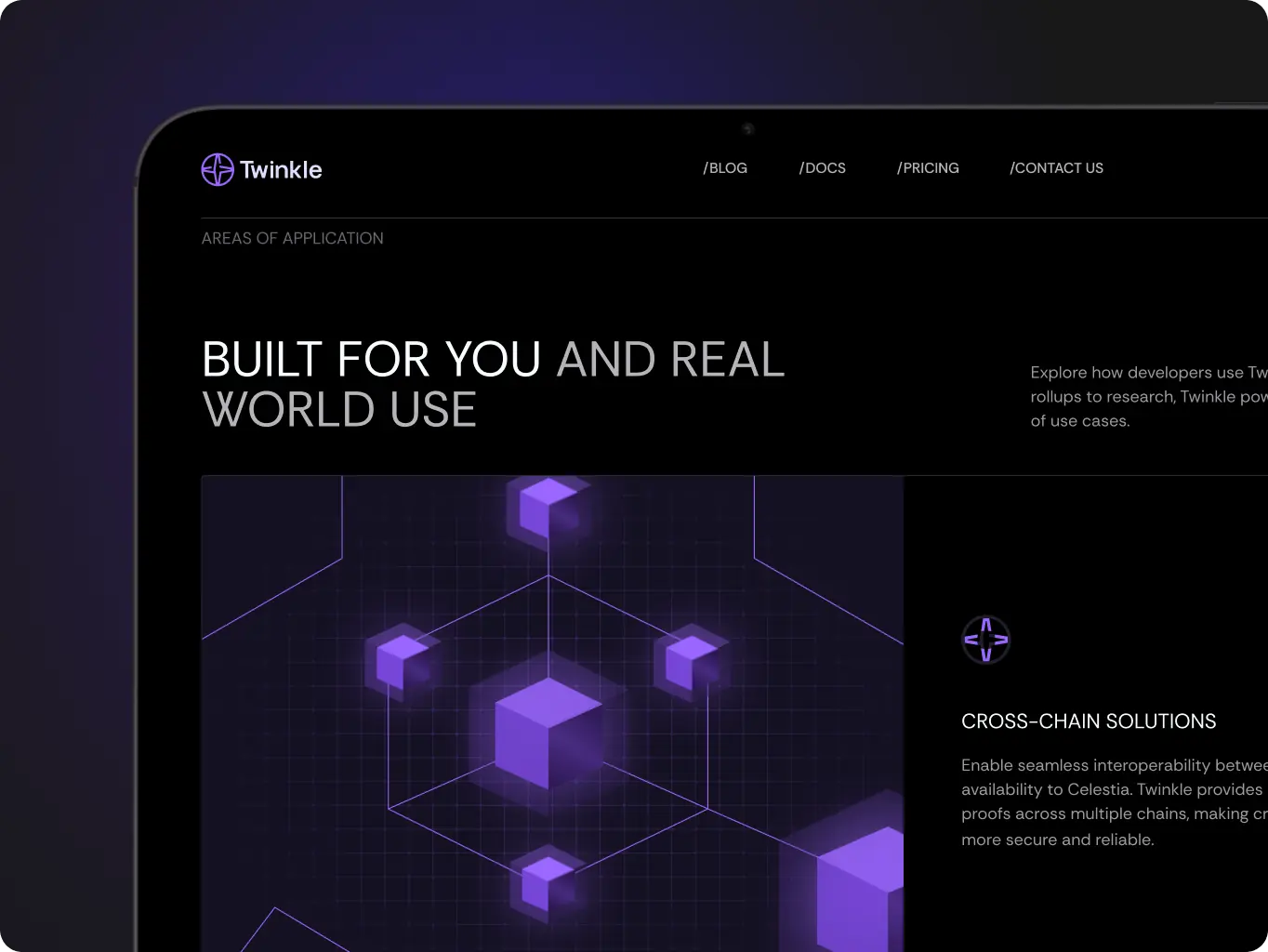
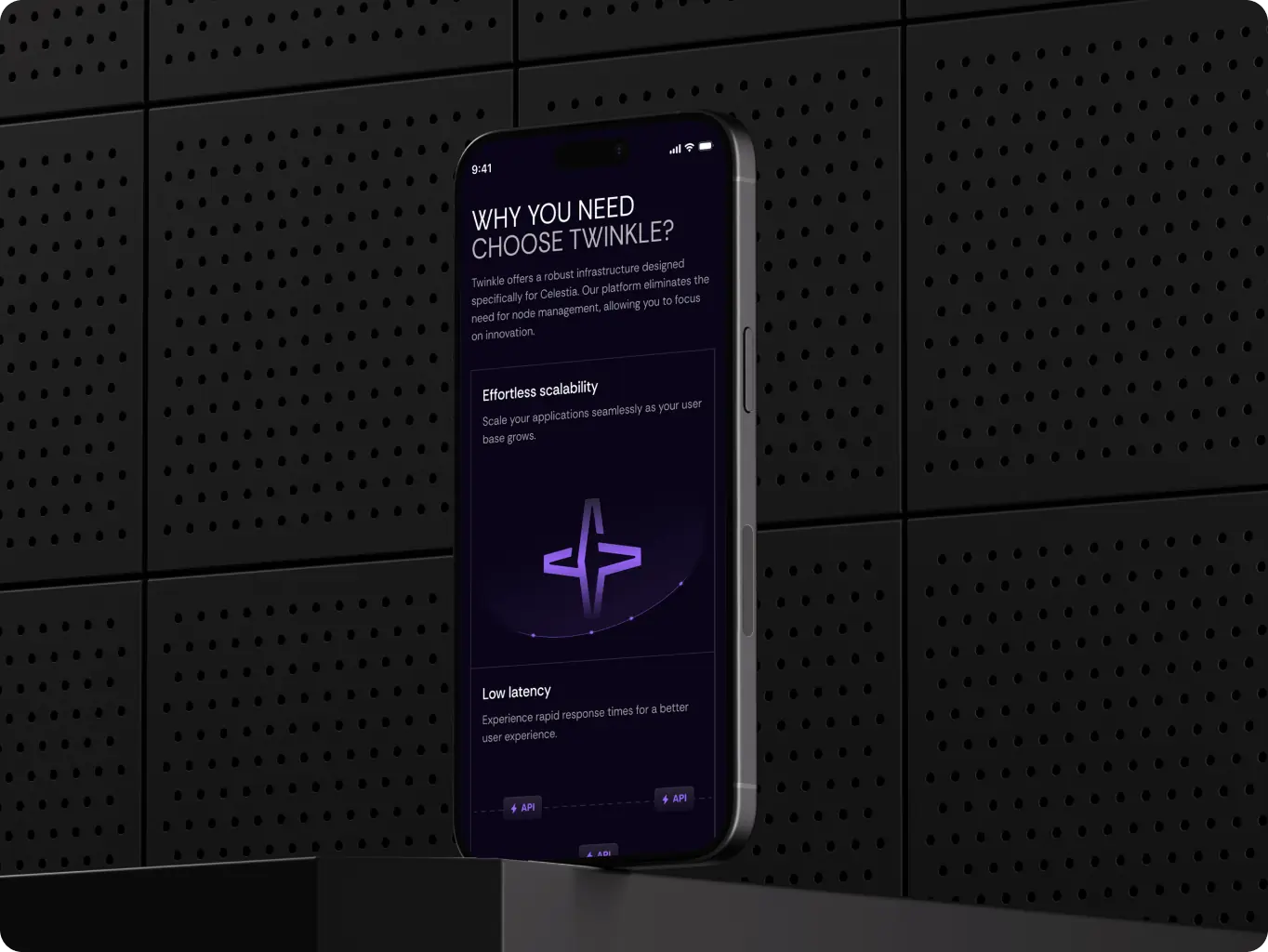
During the competitor analysis we revealed a consistent pattern across the Web3 infrastructure space: complex navigation, dense content, heavy technical jargon, and unclear value communication. Most platforms overloaded users with information instead of guiding them through a structured narrative.
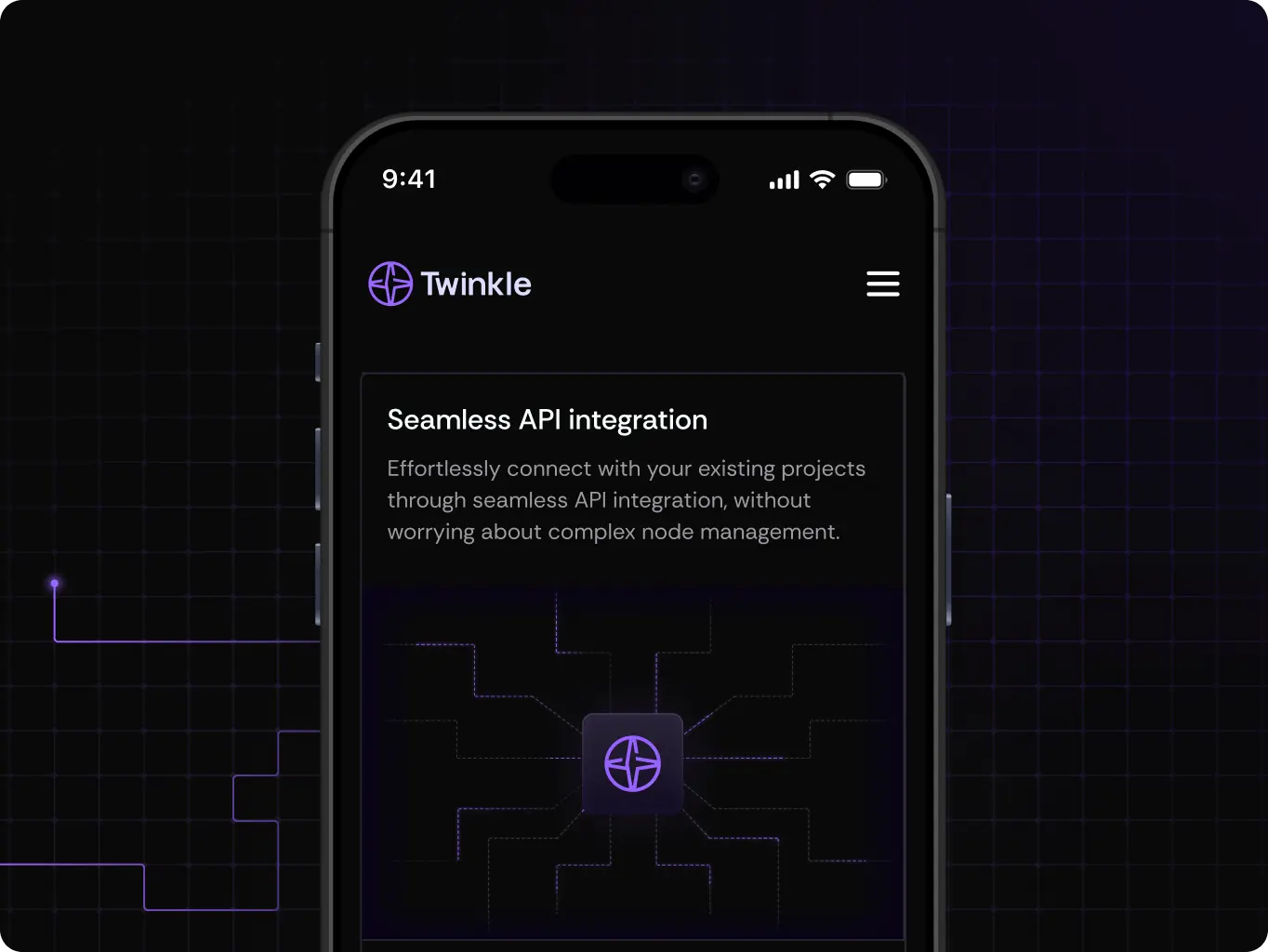
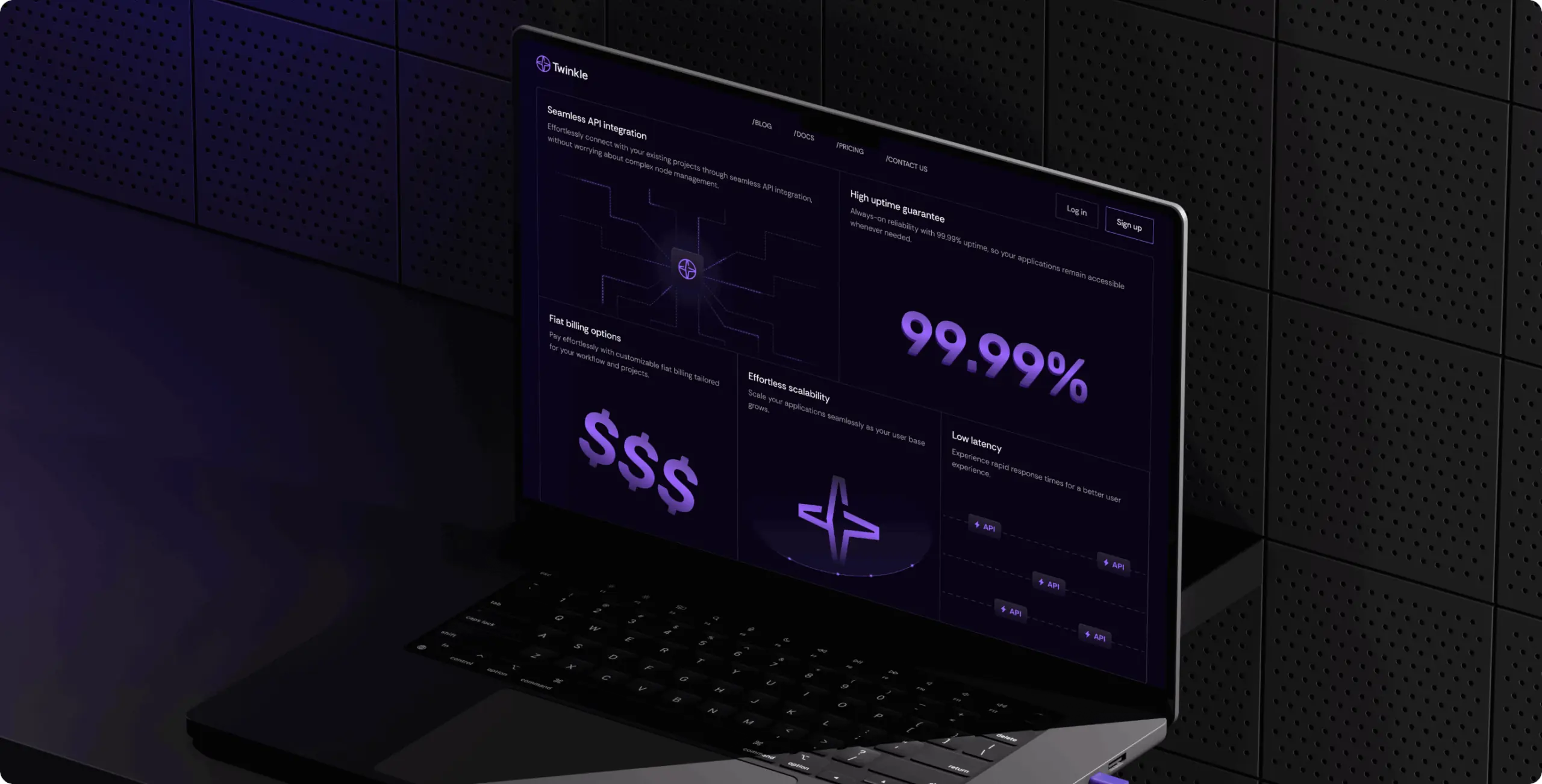
Using these insights, we redesigned Twinkle’s information architecture from the ground up — simplifying content, clarifying messaging, and building a linear decision-making flow. The new wireframes established a clean hierarchy that surfaces Twinkle’s core value early and reduces cognitive load for both technical and non-technical users.
These structural foundations directly informed the visual direction. We developed a modern geometric system focused on clarity, precision, and technical credibility — a contrast to the overwhelming, pattern-heavy Web3 aesthetics seen across competitors. This combination created a scalable visual language that positions Twinkle as confident, reliable, and distinctly differentiated within the Celestia ecosystem.
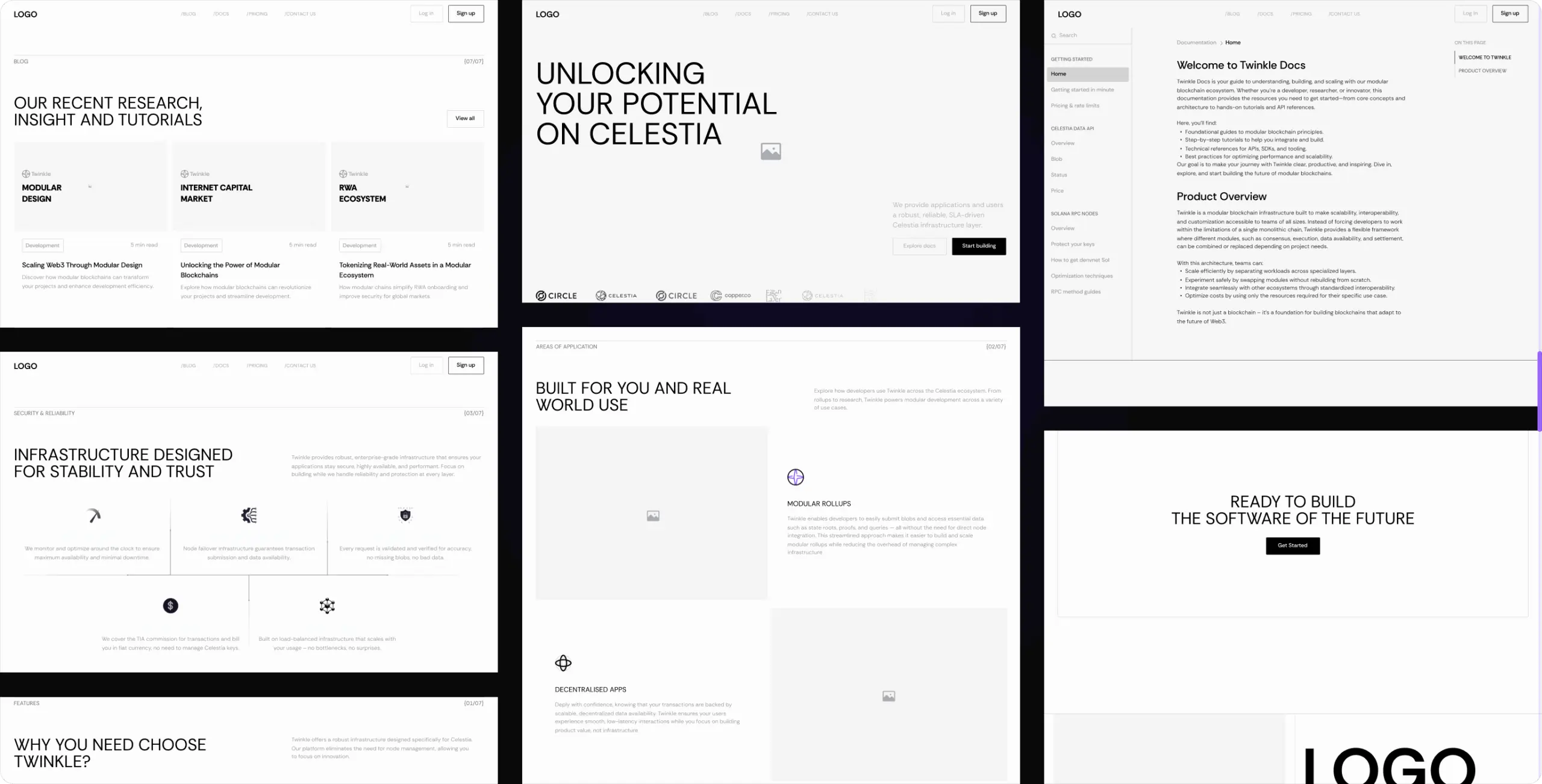
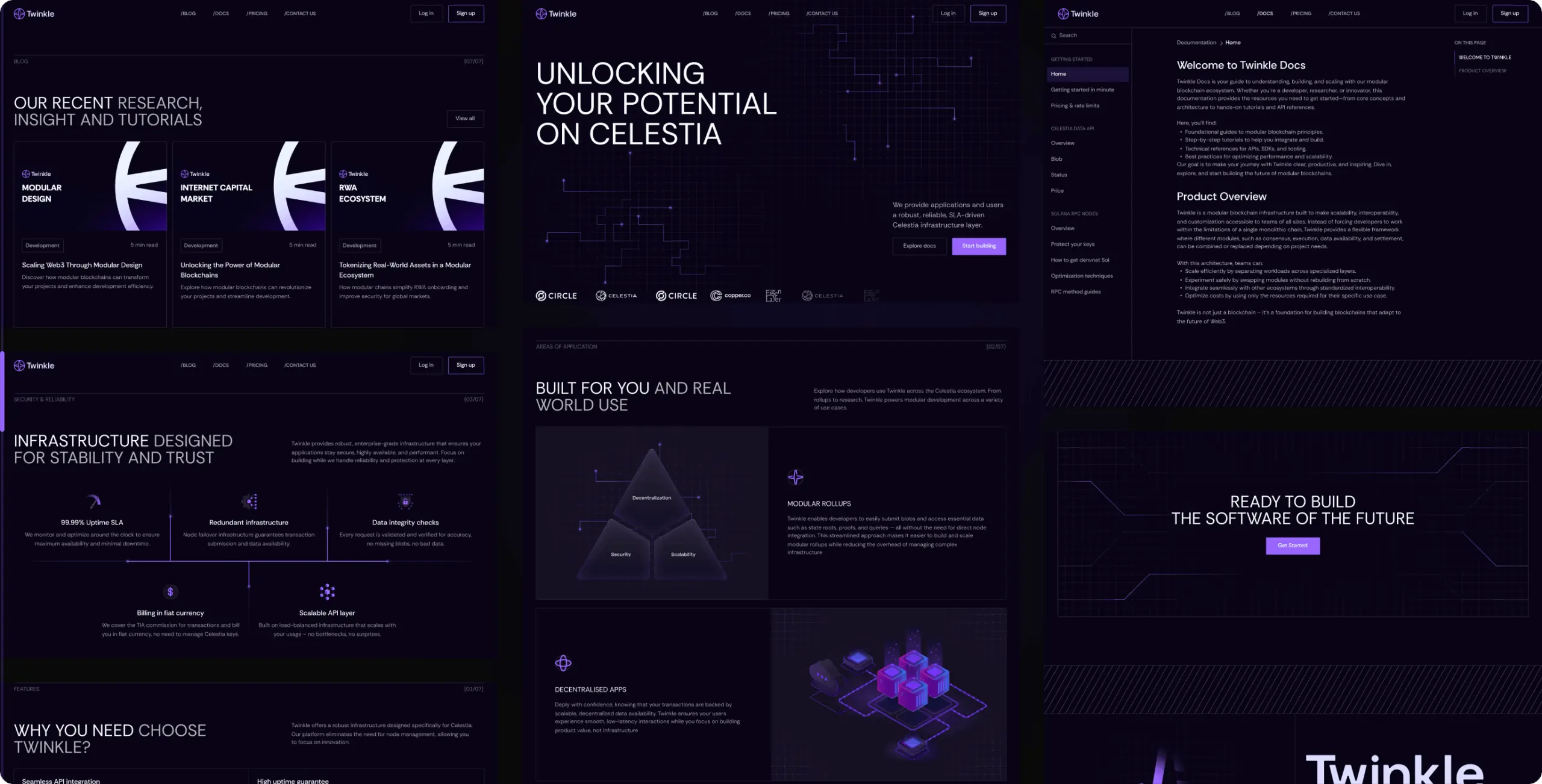
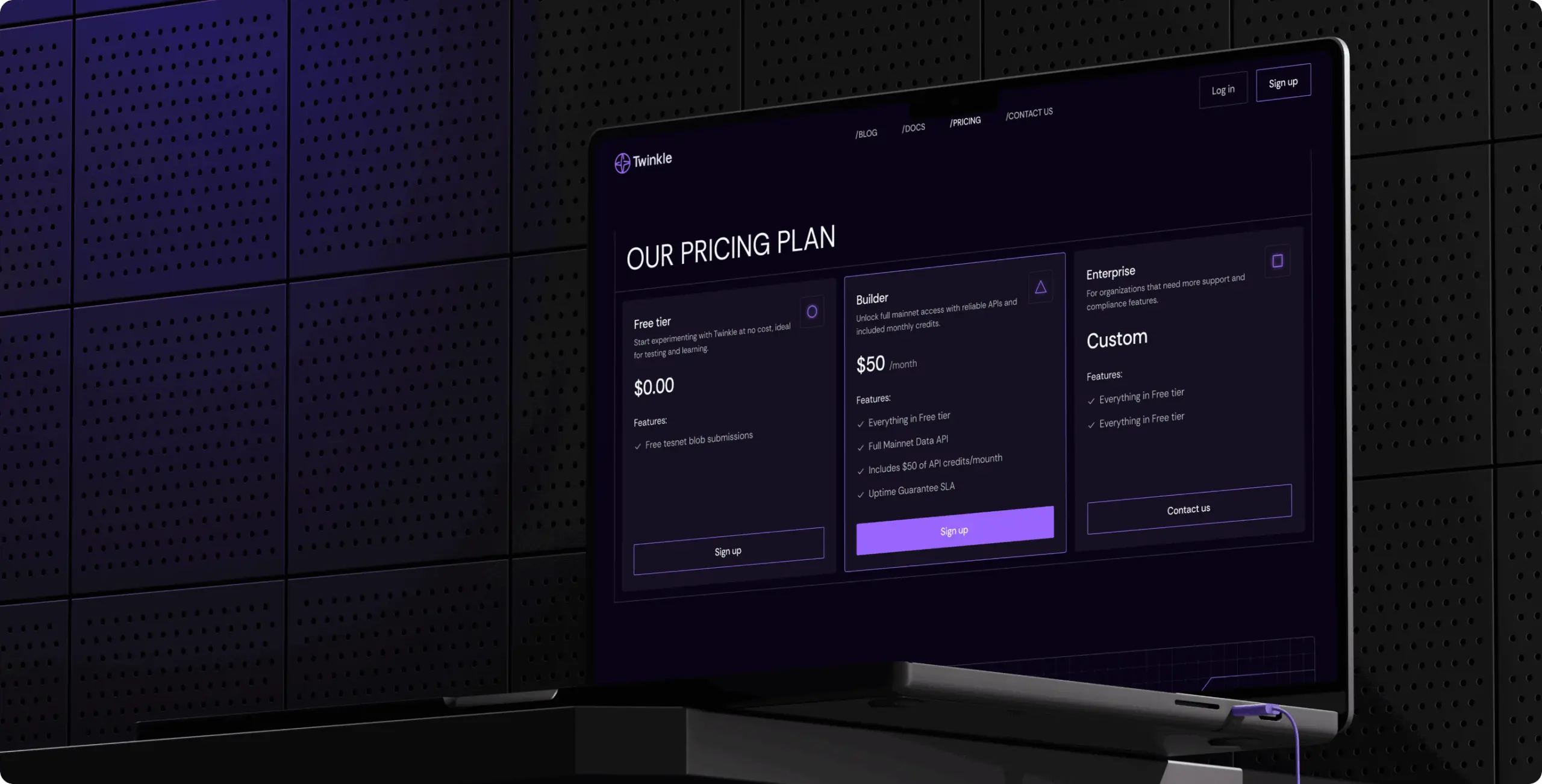
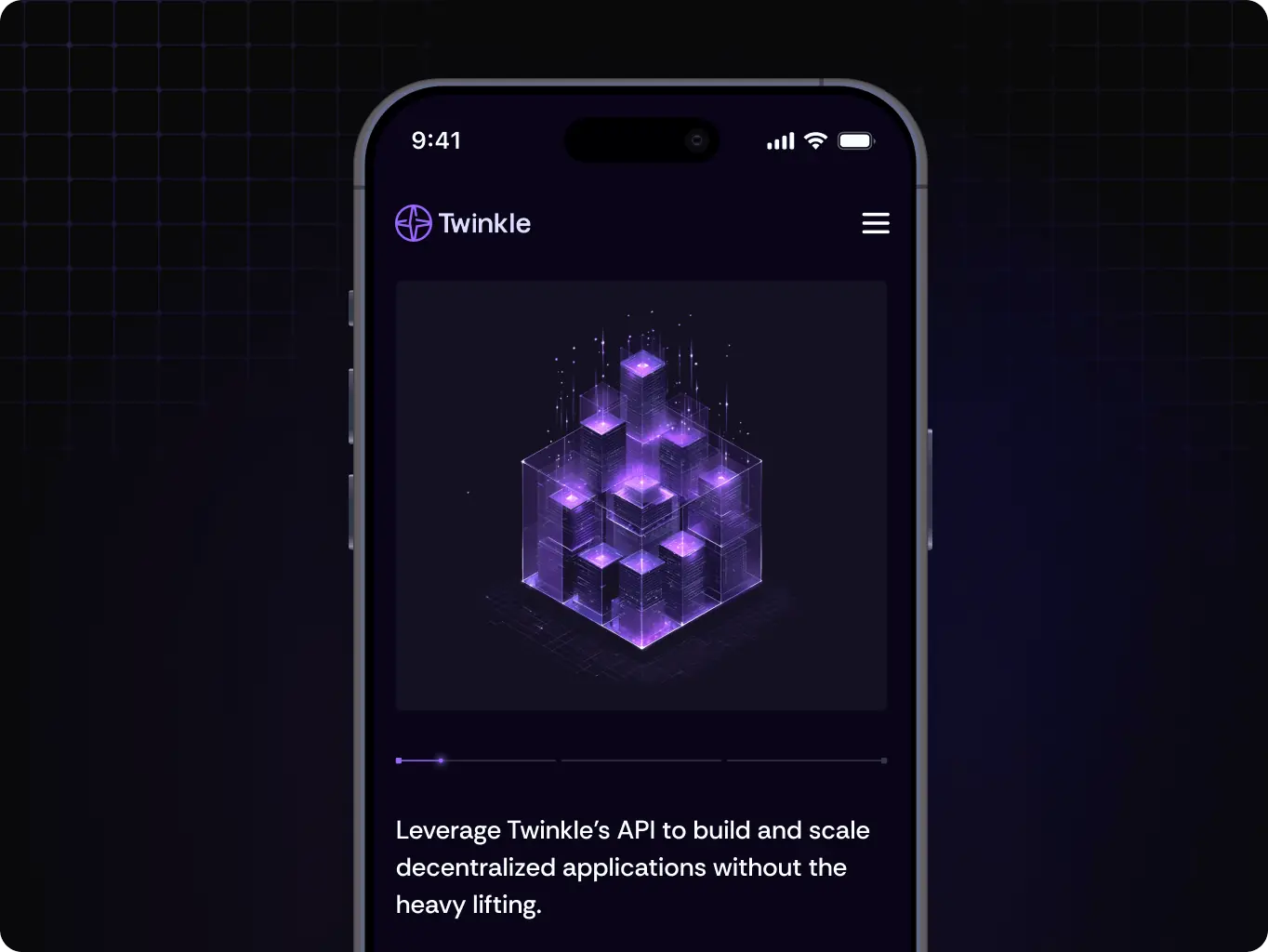
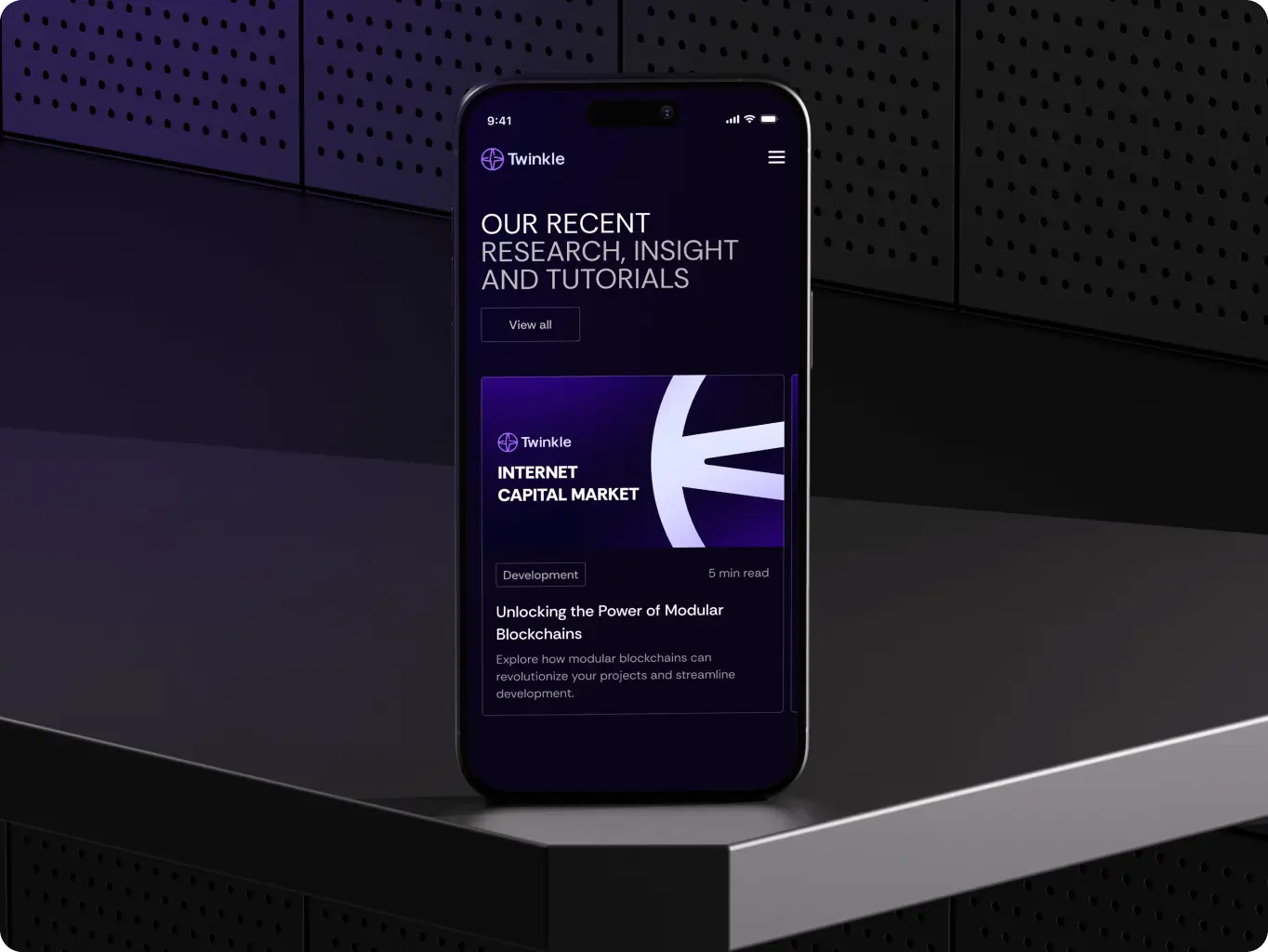
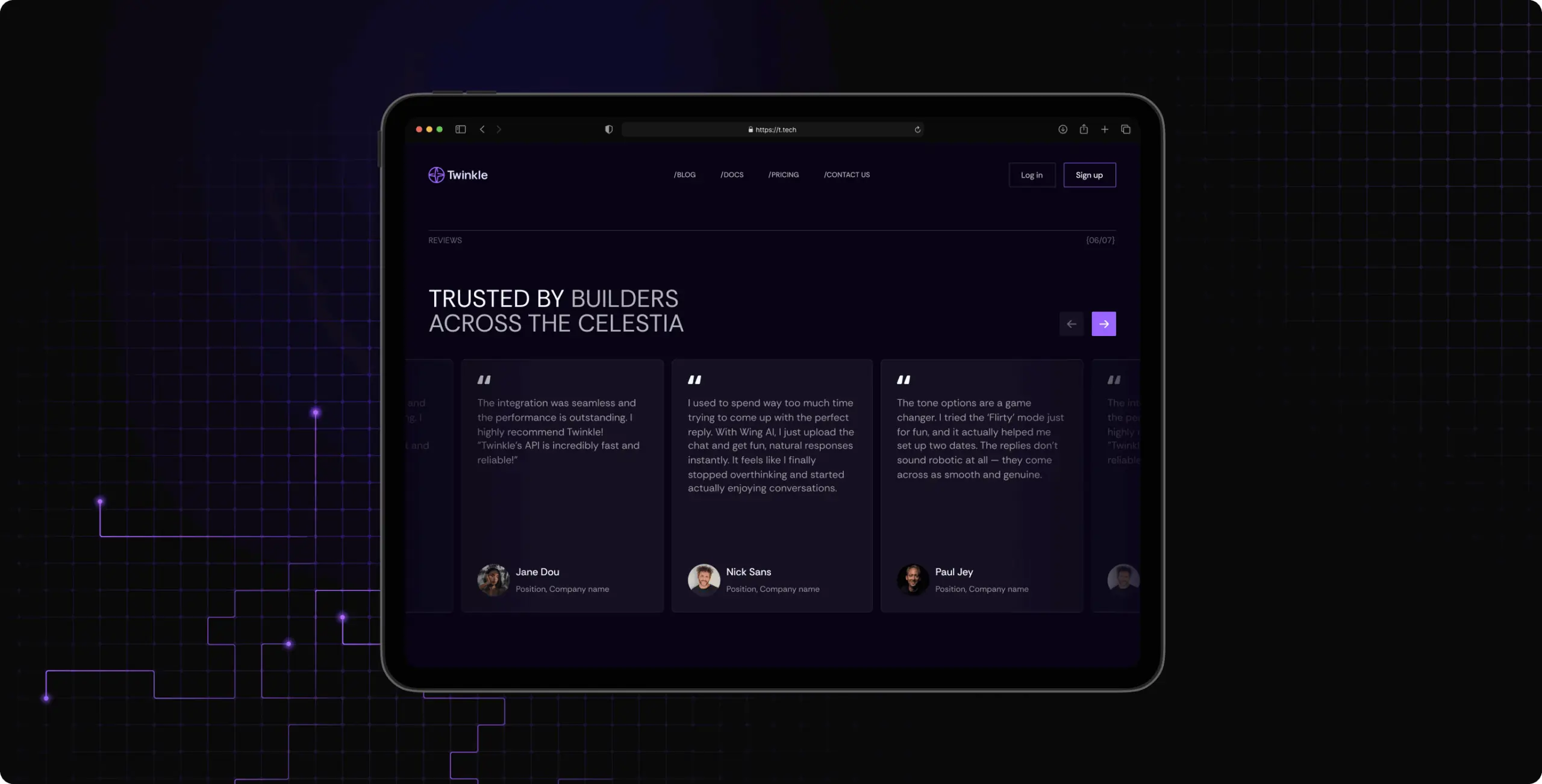
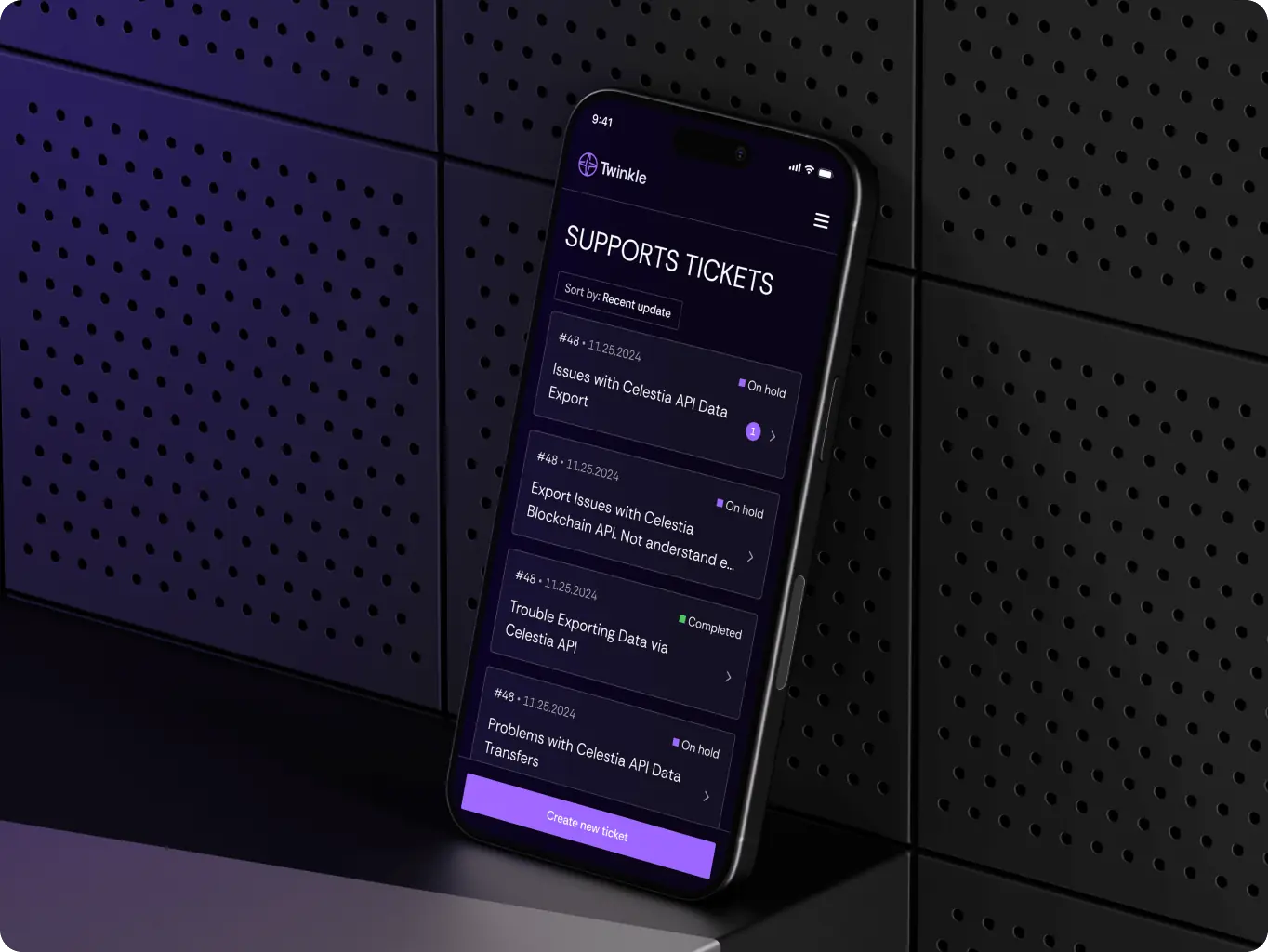
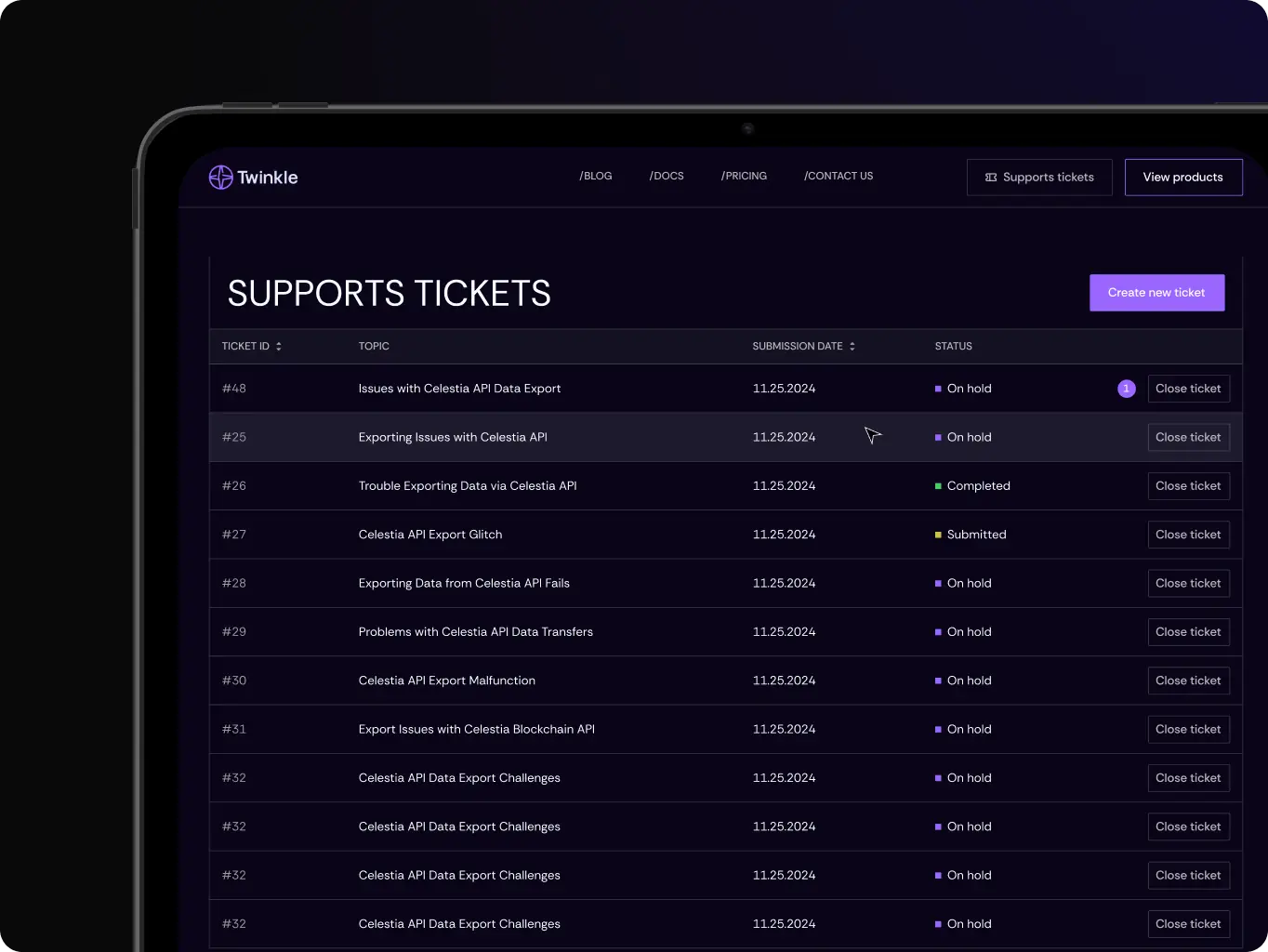
To ensure a smooth and efficient development process, we prepared a complete implementation package for the Twinkle team. This included a structured component library, detailed UI documentation, interaction guidelines, and scalable design tokens. Every module was built with consistency and reusability in mind, enabling developers to assemble pages quickly without reinventing patterns.
We also provided annotated layouts and behavior specifications to eliminate ambiguity during handoff. The result is a development-ready design system where each component is predictable, flexible, and easy to maintain — allowing the engineering team to move faster and focus on functionality rather than interpretation.
#website design #website development
atelier meredian
 USA
USA
USA
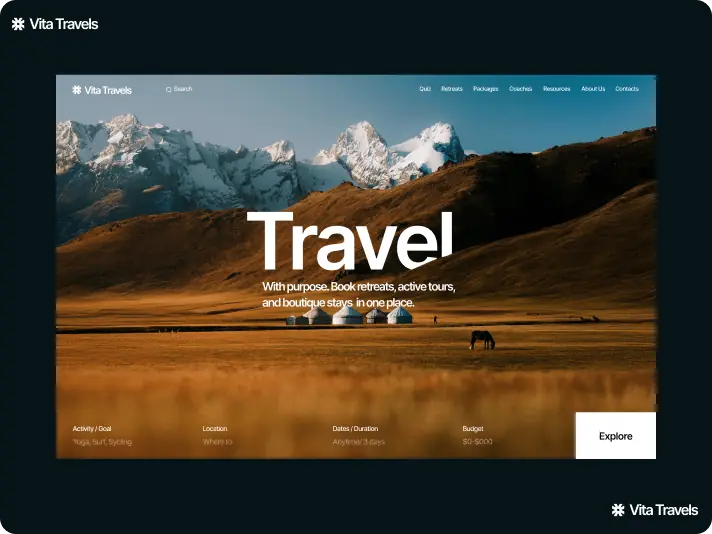
#Website design #website development
vita travels
USA
USA
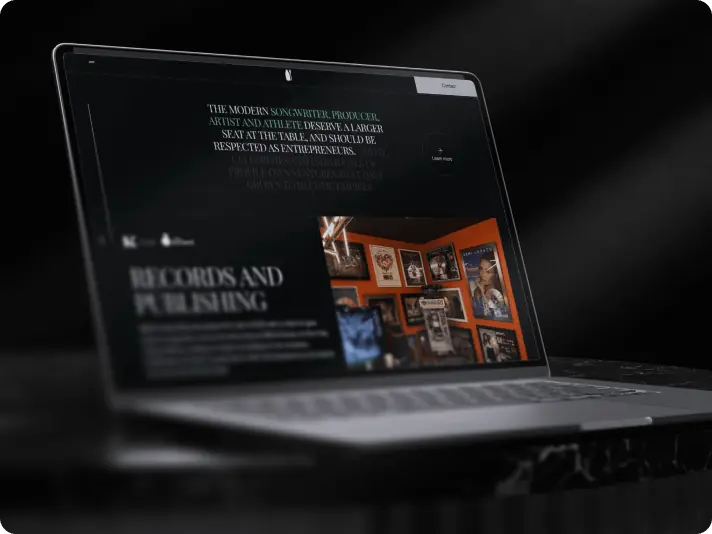
#Website design #Website development
Lucas Keller
USA
USA
