YOUR GO-TO TELEMEDICINE APP DEVELOPMENT COMPANY

Build HIPAA-compliant platforms with telemedicine UI and telemedicine UX that providers trust
Dozens of healthcare launches taught us the formula: merge clinical compliance with interfaces patients love. Our telemedicine website design turns pilot programs into enterprise contracts—ask 92% of clients who kept coming back.
Your next growth stage starts with the right telemedicine application development partner — at launch, or at scale

DESIGNING PRODUCTS FOR STARTUPS BACKED BY

phenomenon studio IN NUMBERS
98%

customer satisfaction rate

35%+

boost in conversions after redesign

60+

top-tier designers and developers on board

500M+

investments raised by our clients

PROVEN HEALTHCARE EXPERTISE
Image - hero

KEY CUSTOM TELEHEALTH SOFTWARE DEVELOPMENT CHALLENGES

We've seen clinics and startups spend twice their budget on failed pilots. We build to avoid that.
Strong telemedicine software development isn’t optional — it’s what prevents compliance risks, user abandonment, and costly rebuilds. Our team of telemedicine app developers addresses these challenges from day one, so you scale with confidence.

Our telemedicine app looked great in demos, but patients found it confusing. Drop-offs increased during onboarding.

We design telemedicine UI and telemedicine UX with accessibility built in: larger tap targets, clear navigation, and multi-device support. This boosts adoption and keeps patients engaged with your telemedicine application after their first visit.

When demand spikes — flu season, new coverage, or partnerships — the platform slows down or crashes.

Our telehealth app development company builds cloud-native telehealth software solutions with auto-scaling infrastructure and optimized APIs. Through our telehealth app development services, you get a platform that handles peak loads without downtime, whether serving hundreds or scaling to millions.

We can't track outcomes properly. Doctors struggle to see progress, and administrators can't measure ROI.

We integrate analytics dashboards into every telemedicine app development solution, giving clinicians live patient data views and helping management connect usage to outcomes. This makes telemedicine software providers more valuable to practitioners and enterprise clients.

TELEMEDICINE APP DEVELOPMENT SERVICES

From pilot program to 10,000 daily consultations: we build telehealth that scales
Most telehealth pilots never make it to production. Our telemedicine software development services break that pattern: obsessive user research, clinical-grade design, bulletproof engineering. The result? Telemedicine solutions that providers champion, patients keep using, and enterprises buy.
Discover what your medical users need (not what they say they want)
Product discovery
Map patient journeys and clinical workflows for telemedicine application development that drives adoption.
UX audit & roadmapping
Identify drop-off points and create optimization strategies for better telehealth software solutions retention.
Technical workshop
Align HIPAA, EHR integrations, and infrastructure for your custom telehealth software development project.
Create interfaces that 75-year-old patients and busy physicians both love
Design prototype
Build testable telemedicine design prototypes to validate with clinicians before development starts.
Website design
Create a credible

telemedicine website design

that converts skeptical health systems and insurance payers.
Web app design
Design physician dashboards for telemedicine app development solutions with critical data upfront.
Mobile app design
Craft accessible telemedicine app UI for iOS/Android that works perfectly for all patient demographics.
Website redesign
Transform outdated platforms with modern telehealth website development services that drive enterprise sales.
Branding
Develop telemedicine logo design and visual systems that establish clinical credibility and trust.
Build HIPAA-compliant platforms ready for enterprise healthcare deployment
Custom MVP development
Launch investor-ready telemedicine app development solutions with video capabilities and bulletproof security.
Web development
Build secure telehealth software development platforms supporting provider workflows and integrations.
Website development
Create conversion-optimized digital platforms for telemedicine software providers with SEO & LLMO built in.
Mobile app development
Build native telemedicine applications with video consults, e-prescriptions, and encrypted messaging.
No-code development
Validate telehealth app development concepts quickly using platforms perfect for pilot program testing.
Blockchain development
Implement distributed ledgers when your telemedicine software company needs unbreakable medical record integrity.

TYPES OF TELE HEALTH SOLUTIONS

Pick the right digital health architecture for your clinical goals and care delivery
Your choice between synchronous video visits, asynchronous consultations, or continuous monitoring determines patient outcomes, reimbursement rates, and clinical efficiency. Here are the telehealth solutions we build for healthcare organizations navigating digital transformation:
01
Virtual consultation platforms
Live video visits with scheduling, waiting rooms, and documentation for telemedicine app development.
Virtual consultation platforms

Best for the practices replacing in-person visits and health systems expanding their reach.

Let's discuss

Best for the practices replacing in-person visits and health systems expanding their reach.

Let's discuss
02
Store-and-forward telehealth systems
Asynchronous telemedicine application development for dermatology, radiology, and pathology with image routing.
Store-and-forward telehealth systems

Perfect for visual diagnosis specialties and rural clinics needing specialist access.

Let's discuss

Perfect for visual diagnosis specialties and rural clinics needing specialist access.

Let's discuss
03
Remote patient monitoring solutions
Continuous vital tracking via remote patient monitoring software development with automated alerts.
Remote patient monitoring solutions

Works for cardiology, diabetes clinics, and ACOs managing high-risk populations.

Let's discuss

Works for cardiology, diabetes clinics, and ACOs managing high-risk populations.

Let's discuss
04
Direct-to-consumer telehealth apps
On-demand telemedicine app development services connecting patients to providers 24/7 with e-prescriptions.
Direct-to-consumer telehealth apps

Ideal for urgent care networks, employers, and startups disrupting traditional care delivery.

Let's discuss

Ideal for urgent care networks, employers, and startups disrupting traditional care delivery.

Let's discuss
05
Hybrid care coordination tools
Unified telemedicine app design and development combining video, messaging, monitoring, and team collaboration.
Hybrid care coordination tools

Best for integrated networks coordinating multi-specialty virtual and physical care.

Let's discuss

Best for integrated networks coordinating multi-specialty virtual and physical care.

Let's discuss
06
Specialty-specific telemedicine tools
Tailored telemedicine software development services for telepsychiatry, telestroke, and telepharmacy needs.
Specialty-specific telemedicine tools

Critical for behavioural health, stroke centers, and specialized clinical programs.

Let's discuss

Critical for behavioural health, stroke centers, and specialized clinical programs.

Let's discuss

THE RIGHT TELEMEDICINE PLATFORM ARCHITECTURE

Building

telemedicine UX

that providers trust and patients keep using after the first visit
Most telemedicine design and development projects fail because they optimize for features over workflows. Our

telemedicine UI

design process starts by mapping where clinicians waste time and patients give up - then we engineer those pain points out of existence:
Image - original-8e3d5294874474e2de7580339e7e4fb6
Smart virtual queue management with estimated wait times, pre-visit vitals collection, and consent capture.
Where UX breaks:
  • Patients stuck in empty waiting screens
  • No status updates or queue position
  • Missing pre-appointment preparation
  • Technical issues without clear help
How we fix it:
  • Live wait time with queue visibility
  • Pre-visit symptom and vitals capture
  • Automated tech checks before joining
  • In-room support chat for quick fixes
Smart charting with voice transcription, template libraries, and automated coding suggestions.
Where UX breaks:
  • Providers typing during patient conversations
  • Generic templates miss specialty needs
  • Manual ICD-10 coding takes forever
  • Notes don't sync to primary EHR
How we fix it:
  • Voice-to-text with medical terminology
  • Specialty-specific template libraries
  • AI-assisted diagnostic code suggestions
  • Bi-directional EHR synchronization
Multi-provider collaboration with handoff protocols, consultation requests, and shared care plans.
Where UX breaks:
  • Siloed conversations lose context
  • Specialist referrals require multiple systems
  • Care plans invisible to team members
  • No urgency indicators for consult
How we fix it:
  • Threaded team discussions per patient
  • In-platform specialist consultation requests
  • Shared care plans with role permissions
  • Priority flags with response SLAs
Image - 58a668b8b8b07ed0cdd311cadeb38d20
Digital stethoscopes, otoscopes, and examination cameras with guided capture protocols.
Where healthcare UX breaks:
  • Device setup confuses patients
  • Poor image quality for diagnosis
  • No guidance for self-examination
  • Results stuck outside clinical workflow
How we fix it:
  • Plug-and-play device recognition
  • Auto-enhance for diagnostic clarity
  • Step-by-step examination guides
  • Direct integration into visit notes
Image - original-8022df701bc51c3eef8c0bed977e3615
Transparent billing with eligibility checks, payment plans, and automated claim submission.
Where UX breaks:
  • Surprise bills after visits
  • Insurance coverage mysteries
  • No payment plan options
  • Manual claim filing delays
How we fix it:
  • Pre-visit cost transparency
  • Instant eligibility verification
  • Flexible payment plan setup
  • Automated claim generation and tracking
Image - original-cda60444da55a66346f8cd4d32675fc8
HIPAA-compliant infrastructure with audit trails, consent management, and data encryption.
Where UX breaks:
  • Consent forms lost in paperwork
  • Audit trails incomplete for compliance
  • Patient data access requests ignored
  • Security features block usability
How we fix it:
  • Digital consent with version tracking
  • Automatic audit log generation
  • Self-service data export portal
  • Security that's invisible to users
Image - IMG_7877
Need to build one of these?
Book a call with Anastasiia Danylenko, our Sales Lead, to discuss your project with our telemedicine software development company.

KEY FEATURES FOR TELE HEALTH SOLUTIONS

Core capabilities every

telemedicine application development

project needs for today’s market
The difference between telemedicine software providers who win hospital RFPs and those stuck in endless pilots? Technical depth that solves provider workflow problems, not just video calling. Our approach to telehealth app development prioritizes the features that drive clinical adoption, patient retention, and sustainable unit economics.
Icon - desktop-computer-svgrepo-com 2
Cross-platform video SDK

Browser-based consultations that require zero downloads or plugins.

Icon - asterisk-svgrepo-com 2-9
Intelligent triage system

AI-powered symptom assessment routing patients to appropriate care levels.

Icon - asterisk-svgrepo-com 2-3
Provider availability engine

Dynamic scheduling with on-call rotations and surge capacity management.

Icon - asterisk-svgrepo-com 2-14
Clinical decision support

Evidence-based protocols and drug interaction alerts during visits.

Icon - asterisk-svgrepo-com 2-4
Waiting room analytics

Queue optimization with predicted wait times and dropout prevention.

Icon - asterisk-svgrepo-com 2-9
Language interpretation

On-demand medical interpreters for 200+ languages via API.

Icon - diagram-sankey-svgrepo-com 2
Remote monitoring bridge

Direct integration with glucometers, BP cuffs, and pulse oximeters.

Icon - asterisk-svgrepo-com 2-8
Consent management

State-specific consent flows with versioning and audit trails.

Icon - asterisk-svgrepo-com 2-13
Provider collaboration hub

Secure handoffs, curbside consults, and shared patient context.

Icon - asterisk-svgrepo-com 2-6
Reimbursement optimizer

CPT code suggestions with payer-specific documentation requirements.

Icon - asterisk-svgrepo-com 2-9
Patient engagement scoring

Predictive models identifying high-risk dropoff patients.

Icon - asterisk-svgrepo-com 2-4
Emergency escalation

One-touch 911 integration with location and medical history transfer.

Icon - asterisk-svgrepo-com 2
Quality assurance suite

Visit recordings, peer review workflows, and outcome tracking.

Icon - asterisk-svgrepo-com 2-13
Geographic compliance

Multi-state licensing validation and jurisdiction-specific rules.

Icon - asterisk-svgrepo-com 2
Clinical trial mode

Research protocols, randomization, and regulatory documentation.

Technology stack

Frameworks &
technologies we use
Icon - React
React

Icon - NextJS
Next.js

Icon - asterisk-svgrepo-com 2-2
Solid.js

Icon - asterisk-svgrepo-com 2-3
Astro

Icon - asterisk-svgrepo-com 2-4
TypeScript

Icon - asterisk-svgrepo-com 2-5
Node.js

Icon - asterisk-svgrepo-com 2-6
Express.js

Icon - asterisk-svgrepo-com 2-7
Nest.js

Icon - asterisk-svgrepo-com 2-8
PHP

Icon - asterisk-svgrepo-com 2-9
Laravel

Icon - asterisk-svgrepo-com 2-4
TypeScript

Icon - asterisk-svgrepo-com 2-1
WordPress

Icon - asterisk-svgrepo-com 2
Webflow

Icon - asterisk-svgrepo-com 2-10
Amazon web services

Icon - asterisk-svgrepo-com 2-11
Digital Ocean

Icon - asterisk-svgrepo-com 2-12
Cloudflare

Icon - asterisk-svgrepo-com 2-13
Docker

Icon - asterisk-svgrepo-com 2-14
Gitlab / Github CI / CD

Icon - asterisk-svgrepo-com 2-15
Kubernetes

Icon - asterisk-svgrepo-com 2-21
Shadcn

Icon - asterisk-svgrepo-com 2-22
Radix

Icon - miui
MUI

Icon - asterisk-svgrepo-com 2
Ant design

Icon - asterisk-svgrepo-com 2-1
PrimeReact

Icon - asterisk-svgrepo-com 2-2
Carbon Design System

Icon - asterisk-svgrepo-com 2-3
Chakra UI

PROCESS OF BUILDING TELEMEDICINE APP DEVELOPMENT SOLUTIONS

How our

telemedicine software development company

turns healthcare requirements into working apps
Building custom telemedicine solutions demands a rigorous process. One missed integration or compliance gap can sink entire deployments. Our telemedicine app development methodology eliminates costly surprises through validation at every stage:

Product discovery

01

Most telehealth startups build features that providers won’t use

We begin by mapping how your telemedicine application fits existing care delivery models, which stakeholders control budgets, and what compliance hurdles block deployment.

Key steps

  • Provider workflow analysis and pain point mapping
  • Reimbursement model and payer policy research
  • Technology assessment for target patient populations
  • State licensure and regulatory requirement review

Deliverables

Clinical workflow map stakeholder matrix reimbursement strategy compliance checklist

Idea validation

02

Proving demand before investing in telemedicine software development

We validate your telehealth concept with healthcare buyers and end users, preventing expensive pivots after development starts.

Key steps

  • Health system administrator interviews
  • Patient usability testing in target demographics
  • Competitor platform analysis and gap identification
  • Technical infrastructure compatibility assessment

Deliverables

Market validation data user feedback synthesis competitive positioning technical feasibility report

Design & prototyping

03

Creating a telemedicine app UI and UX to reduce provider burnout and patient confusion

Our telemedicine app design process prioritizes clinical efficiency and patient accessibility, building interfaces that work for 25-year-old residents and 85-year-old patients alike.

Key steps

  • Provider dashboard optimization for speed
  • Patient portal design for health literacy levels
  • Mobile-friendly telemedicine design for field use
  • Accessibility compliance for ADA standards

Deliverables

Interactive prototypes design system accessibility audit usability test results

Backend architecture & devOps

04

Engineering infrastructure that passes enterprise security audits

Healthcare IT departments reject poorly architected platforms. Our telehealth app development services ship systems that satisfy CISO requirements and support massive scale.

Key steps

  • HIPAA-compliant architecture design
  • Video infrastructure for unreliable connections
  • EHR integration planning with HL7/FHIR
  • Multi-region deployment strategy

Deliverables

Architecture blueprint security documentation integration specifications scalability plan

Development

05

Building telemedicine app development solutions that adapt to clinical feedback

We ship working software every sprint, gathering provider input continuously so your platform evolves with clinical needs rather than developer assumptions.

Key steps

  • Two-week sprints with clinical reviews
  • Progressive rollout to test facilities
  • Continuous integration with automated testing
  • Performance optimization for mobile networks

Deliverables

Production-ready platform sprint reports test coverage metrics performance benchmarks

QA & testing

06

Testing telehealth solutions under actual healthcare conditions

We validate your platform with practicing clinicians in realistic scenarios, uncovering workflow conflicts that sink telehealth initiatives after launch.

Key steps

  • Pilot program coordination with partner facilities
  • Emergency scenario and edge case testing
  • Compliance verification for target markets
  • Clinical outcome measurement setup

Deliverables

Pilot results compliance certificates clinical feedback report outcome metrics

Post-launch support

07

Turning successful pilots into enterprise telemedicine software contracts

Our telemedicine app developers support your go-to-market with deployment assistance, provider training, and continuous optimization based on usage analytics.

Key steps

  • Provider onboarding and training programs
  • Patient adoption campaign development
  • Utilization analytics and ROI tracking
  • Feature prioritization from usage data

Deliverables

Training materials adoption playbook analytics dashboard optimization roadmap
Icon - process-1
See what it’s like to work with us
One week. Reduced rate. Test our telemedicine software development services with a pilot sprint: validate your telehealth concept with prototypes before investing in full custom telehealth software development.

FEATURED CASES

Healthcare platforms built by our telemedicine software company for digital health leaders
From remote monitoring systems to chronic care management apps, the work of our telehealth app developers demonstrates how thoughtful design, bulletproof compliance, and scalable engineering translate into clinical adoption and patient retention.
#Product redesign #Mobile app development
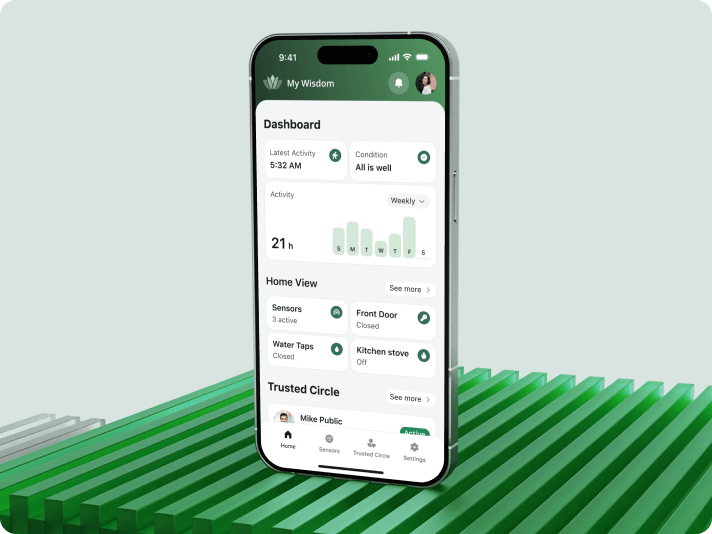
MyWisdom — a digital platform for safer, more connected aging
MyWisdom Icon - fi_4628635USA
Tech Stack

Flutter, Java, Spring Boot, Python, WebSocket, Computer Vision, AWS, PostgreSQL, Redis, Docker, Swagger, Liquibase

Timeline

5 month

Results

Clearer focus and smoother user flows

Better accessibility for diverse user needs

Consistent and scalable design system

#Product discovery #MVP building
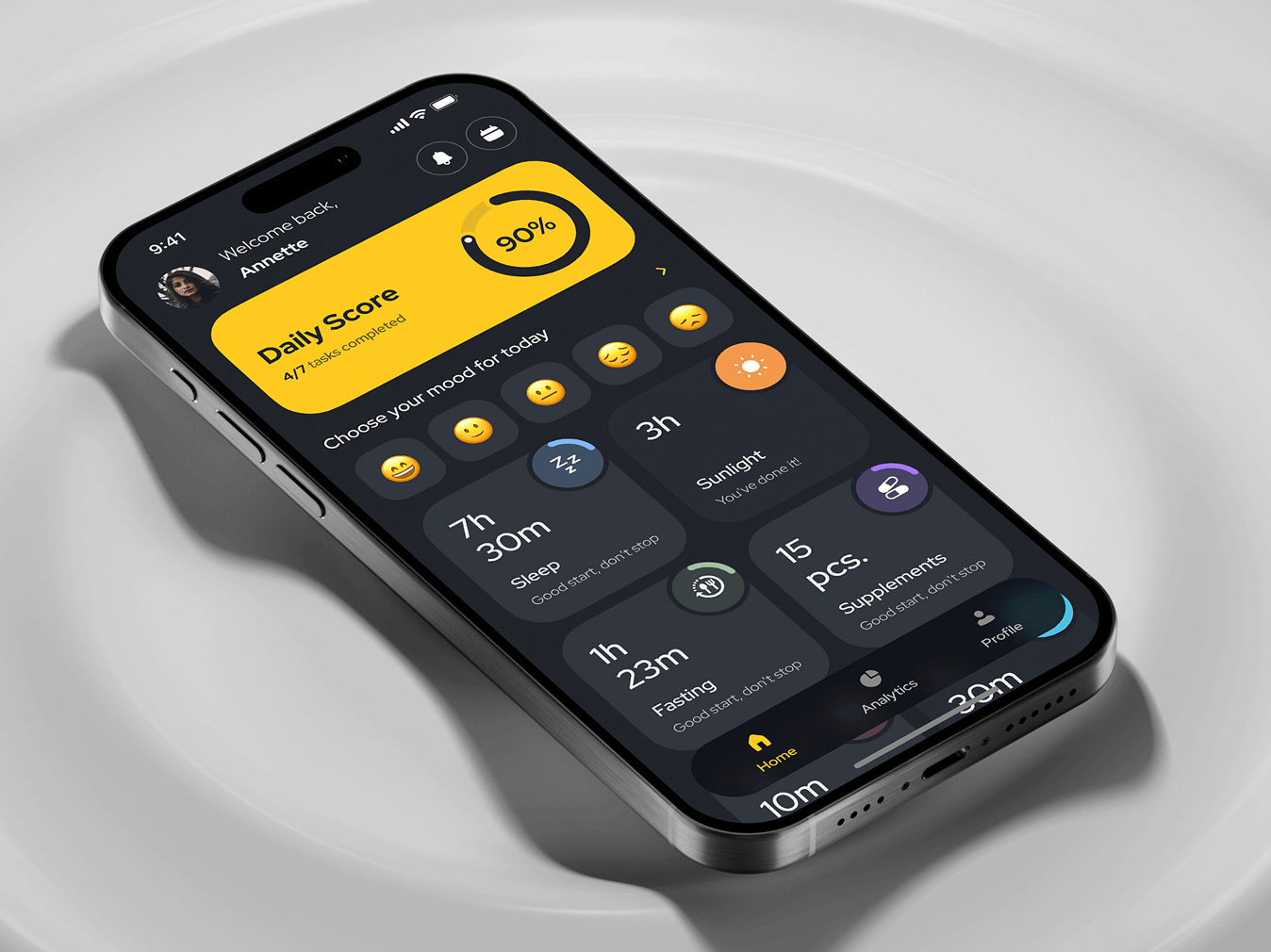
Zest — unleashing a healthier you
Zest Icon - fi_4628635USA
Results

Faster 
time-to-market

Reduced 
development costs

Simplification of complex health concepts

Image - image@2x

Julia Cooney

CEO of Zest

The client expressed high satisfaction with the team’s proficiency, facilitating the prompt and timely completion of the design within the initially estimated timeframes.
#Mobile app design #Mobile app development
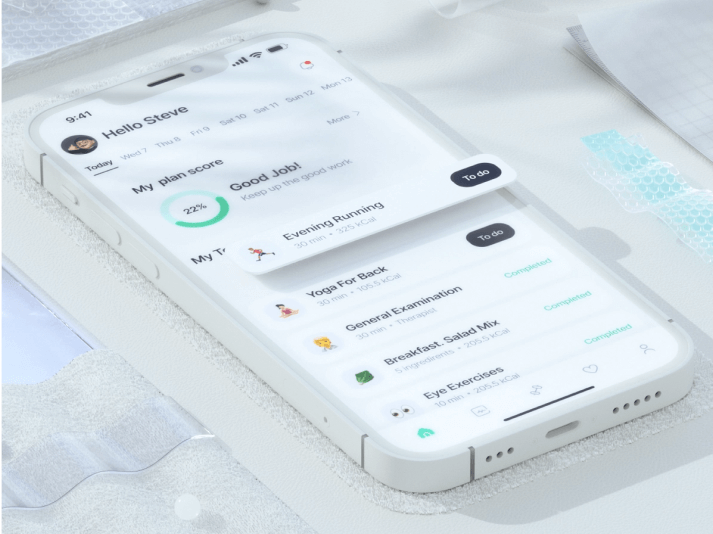
Healher – an app with personalized health plans
Healher Icon - fi_4628635USA
Results

56% active users in the last 30 days

Personalized health plans based on smart wristband data

Comprehensive and user-friendly design

what our clients say

5.0 is our average
on clutch & designrush

Image - Craig Tortolani

Craig Tortolani

CPO at Dekryption Labs
Image - Alex Friedman

Alex Friedman

CEO at Open Path

Not only is the team extremely communicative, their work is exceptional. I have never worked with a team so talented while also being competitively priced and communicative.

Image - KlickEx

KlickEx Team

Image - George Fry

George Fry

Founder at Neap

The quality of the designs is fantastic. Phenomenon Studio works at speed and is extremely punctual with timelines. They deliver top-notch outcomes with exceptional designs.

Image - Andre Guerra

Andre Guerra

Co-Owner at RADCAT Design

Image - Kevin Alvarez

Kevin Alvarez

Founder & General Partner, Predictive

Phenomenon Studio's ability to translate concepts and rough design mock-ups into high-fidelity assets, designs, and visuals was very impressive. The goal was to maintain simple elegance in the design aesthetic, and they did it very well.

COST OF TELEMEDICINE SOFTWARE: FACTORS TO CONSIDER

Key variables that determine timeline, effort, and investment for telemedicine software development

Understanding the cost of telemedicine software requires looking beyond basic video calling features. Most digital health startups budget for simple app development but encounter unexpected expenses in provider workflow integration, multi-state compliance, and enterprise-grade infrastructure requirements.

What drives your telemedicine app development costs up?
01
Care delivery model

Basic urgent care video visits versus comprehensive virtual clinic with specialties and follow-ups.

02
EHR integration depth

One-way data push versus bidirectional sync with Epic, Cerner, and practice management systems.

03
Provider network scale

Single practice deployment versus multi-facility health system with credentialing workflows.

04
Compliance requirements

HIPAA basics versus multi-state licensure, DEA e-prescribing, and SOC 2 certification.

05
Platform capabilities

Video-only consultations versus integrated diagnostics, monitoring, and async messaging features.

06
User volume capacity

Supporting hundreds of daily visits versus architecting for thousands of concurrent sessions.

Icon - process-1

Get a tailored healthcare app estimate

Skip the generic pricing calculators. Tell us your specialty, patient volume, and biggest workflow headache, and we'll map out exactly what your telemedicine software development needs, timeline, and investment look like.

HOW TO WORK WITH US

Three ways to use our

telemedicine software development services

for your healthcare platform
Partner with a full-cycle product design company
We work as your long-term product design and development partner, owning strategy, discovery, design, dev, QA, and scaling iterations. This is not a “project”— it’s your full product team.
Best for
  • Founders who want a senior team thinking beyond sprints
  • Startups scaling beyond MVP and needing deep product ownership
What you get
  • Expert team aligned with your roadmap, KPIs, and business goals
  • Strategic discovery, UX systems
Hire a full-stack dedicated team
We deliver your product from idea to launch—fast and lean. You get execution-ready design and development support with a clear project scope and delivery timeline.
Best for
  • MVPs or feature builds with a defined goal and launch window
  • Pre-seed and seed startups that need to ship without building an in-house team
What you get
  • UI/UX, development, QA, and PM in one dedicated team
  • Clear scope, fixed timeline, efficient delivery
Augment your existing team
We provide developers, designers, and QA engineers to integrate with your team, helping you scale fast while keeping full control over execution.
Best for
  • Startups needing specialized expertise without long-term hiring
  • Seed & Series A+ startups looking to accelerate development
What you get
  • Embedded designers, developers, or product managers to fill skill gaps
  • Faster product delivery without the hiring delays & overhead costs

WHY CHOOSE US AMONG OTHER TELEMEDICINE SOFTWARE PROVIDERS?

Your success is our priority
Design that meets regulation
HIPAA- and GDPR-certified expertise for Healthcare and beyond.

Since 2019, we’ve gained HIPAA and GDPR certifications and industry recognition, delivering hundreds of products in Healthcare, SaaS, FinTech, and EdTech — where compliance and UX go hand in hand.

Design that lasts beyond trends
We don’t chase fads. We build digital products that stay relevant.

Our work looks sharp today and stays usable tomorrow — designed around long-term value, not short-term gimmicks. Scalable systems, brand consistency, and smart UX that grows with your product.

Design that’s developer-ready
We design for implementation, not handoff.

Every component is built with devs in mind: design tokens, accessibility, reusability, and real-world constraints. We collaborate with your team, reuse existing elements, and stay involved until everything’s live.

Local presence. Global delivery
Work directly with the doers — not a chain of account managers.

Collaborate with UX strategists in North America, while our senior design and development teams in Europe deliver fast, consistent results. We integrate into your tools and workflow, working as part of your team — from a single embedded designer to a full product squad.

AWARD-WINNING PRODUCT DESIGN, RECOGNIZED WORLDWIDE

Wins that inspire us forward
Icon - clutch

Top product design company 2024

Icon - upwork

Top rated plus agency by Upwork

Icon - webflow

Professional partner by Webflow

Icon - design

Nominee 2024
Isora - GRC Platform

Icon - Awwwards

Site of the Day & honorable mentions

32+
others

Related Services

Services that pair well with your telehealth app development project
Branding

Develop a brand that resonates — visually, emotionally, and strategically.

Custom MVP development

Expand your prototype into a fully functional, production-ready product.

Web app design

Design responsive, user-focused web platforms with strong UX/UI logic.

FREQUENTLY ASKED QUESTIONS

Questions already
answered
01
How much does telehealth software cost?

The cost of telemedicine software typically ranges from $150,000 for basic MVP platforms to $2M+ for enterprise-grade solutions with full EHR integration. Your investment depends on several critical factors that any telemedicine app development company will evaluate during planning.

For startup-focused MVPs, expect $150,000-$350,000 covering core video consultation, basic scheduling, and HIPAA-compliant infrastructure. This tier works for validating your concept with early adopters, but won’t support enterprise sales. Mid-market platforms ($350,000-$800,000) add e-prescribing, multi-provider support, and initial EHR connections, enough for regional health systems to pilot your solution.

Enterprise telemedicine platforms start at $800,000, incorporating advanced features like AI-powered triage, complete Epic/Cerner integration, multi-state compliance management, and white-label deployment options. These platforms handle thousands of concurrent sessions and pass the security audits that hospital CISOs require.

Beyond initial development, budget for ongoing costs: cloud infrastructure ($5,000-$50,000/month depending on usage), maintenance and updates (typically 20% of development cost annually), compliance audits ($20,000-$50,000 per certification), and provider training programs. 

Working with an experienced telemedicine software development company helps identify which features drive ROI versus nice-to-haves that inflate budgets without improving adoption.

02
How to build a telemedicine application?

Building a successful telemedicine application requires systematic validation before writing code. Start by identifying your specific use case (e.g., urgent care, chronic disease management, mental health, or specialty consultations) as each demands different workflows and compliance requirements. Partner with telehealth app developers who understand these distinctions.

Begin with clinical discovery: shadow providers, interview patients, and map existing workflows to understand what’s broken. This research phase, often overlooked by generic development shops, determines whether providers will champion or abandon your platform. Next, validate your concept through prototypes and user testing. Professional telemedicine app design creates clickable mockups that let you test with real clinicians before expensive development begins.

For technical architecture, prioritize HIPAA compliance from day one; retrofitting security devastates budgets and timelines. Choose video infrastructure carefully; WebRTC provides browser-based calls without downloads, critical for elderly patients. Plan your EHR integration strategy early, as hospital IT departments move slowly and require extensive documentation.

During development, use two-week sprints with clinical stakeholder reviews. This catches workflow mismatches before they become expensive rebuilds. Include features that differentiate enterprise platforms: provider credentialing systems, multi-state license management, automated insurance verification, and clinical quality reporting.

Launch with a controlled pilot at 2-3 facilities, gathering metrics on provider adoption, patient satisfaction, and technical performance. Use this data to refine before broader rollout. Remember: healthcare moves slowly, but when it adopts technology, switching costs create long-term contracts.

03
How to build your own telemedicine application?

Building your own telemedicine application starts with choosing the right telemedicine app development company to guide your vision from concept to market. Unlike generic app development, healthcare technology demands specialized expertise in clinical workflows, regulatory compliance, and enterprise security requirements that determine success or failure.

First, define your differentiation strategy. The telemedicine market is crowded; success requires solving specific problems better than existing solutions. Maybe you’re targeting rural cardiology practices, streamlining post-surgical follow-ups, or creating the first truly accessible platform for elderly patients. Your telemedicine website design should immediately communicate this unique value to both providers and patients.

Invest heavily in UX research before development. Healthcare professionals abandon poorly designed tools immediately. They don’t have time for confusing interfaces during patient care. Professional telemedicine app UI design maps every click in a provider’s workflow, eliminating unnecessary steps that cause frustration. Similarly, patient interfaces must work for diverse populations, including those with limited digital literacy or disabilities.

Choose your technology stack strategically. React Native or Flutter enables single-codebase development for iOS and Android, reducing costs. For video infrastructure, evaluate whether to build a custom WebRTC implementation or use specialized healthcare video APIs. Your backend must support HIPAA-compliant data storage, end-to-end encryption, and audit logging from the start.

Most importantly, plan for regulatory complexity. Beyond HIPAA, you’ll navigate state medical board requirements, DEA regulations for e-prescribing, and potentially FDA oversight if incorporating diagnostic features. Experienced telemedicine app development services include compliance expertise, preventing costly delays during enterprise deployment.

04
What is telehealth software?

Telehealth software encompasses digital platforms that enable remote healthcare delivery through video consultations, asynchronous messaging, remote monitoring, and digital care coordination. Modern telemedicine solutions go far beyond simple video calling, incorporating clinical documentation, e-prescribing, insurance billing, and EHR integration into comprehensive virtual care platforms.

At its core, telehealth software connects patients with providers regardless of physical location. This includes synchronous tools (live video visits mimicking in-person consultations) and asynchronous solutions (store-and-forward systems where providers review cases on their schedule). The best platforms combine both modalities, letting providers choose the most appropriate format for each clinical scenario.

Professional telemedicine website design creates the patient-facing portal where users schedule appointments, complete intake forms, join video sessions, and access visit summaries. Behind this interface, provider dashboards enable efficient clinical workflows: patient queues, real-time documentation, prescription management, and referral coordination. These aren’t separate tools but integrated components of a complete virtual care ecosystem.

Enterprise telehealth platforms include sophisticated features that telemedicine app development services must architect carefully: multi-party video for interpreter services or family involvement, AI-powered triage to route patients appropriately, clinical decision support with drug interaction checking, automated insurance verification and claims submission, and population health analytics for value-based care contracts.

The distinction between consumer telehealth apps and clinical-grade platforms lies in regulatory compliance, integration capabilities, and workflow optimization. While consumer apps focus on convenience, professional telehealth software prioritizes clinical efficacy, regulatory adherence, and sustainable business models.

05
Why is telemedicine important in the development of healthcare?

Telemedicine represents healthcare’s digital transformation catalyst, addressing fundamental access barriers while reducing costs and improving outcomes. Any forward-thinking telemedicine app development company recognizes that virtual care isn’t replacing traditional medicine; it’s expanding what’s possible in care delivery.

The access revolution is immediate and profound. Rural communities, where specialist shortages create dangerous care gaps, suddenly connect with urban medical centers. Mobility-challenged patients receive consistent care without transportation barriers. Mental health services reach populations where stigma previously prevented treatment. This democratization of healthcare access drives health equity initiatives that traditional delivery models couldn’t achieve.

From an economic perspective, telemedicine dramatically reduces healthcare costs. Virtual visits eliminate facility overhead, reduce emergency department utilization for non-urgent care, and enable earlier interventions that prevent expensive complications. Health systems using comprehensive telemedicine solutions report 30-50% reductions in readmission rates through better post-discharge monitoring and timely interventions.

Provider efficiency gains transform practice economics. Physicians handle more patients without physical space constraints, reduce no-show rates through convenient virtual options, and collaborate with specialists instantly rather than through slow referral processes. This efficiency translates to better work-life balance, reduced burnout, and improved recruitment for healthcare organizations.

Perhaps most importantly, telemedicine enables new care models impossible with traditional delivery. Continuous monitoring for chronic conditions, AI-powered preventive care, and precision medicine initiatives all require the digital infrastructure that telemedicine provides. The future of healthcare isn’t just virtual; it’s hybrid, data-driven, and patient-centered.

06
What should I look for in a telemedicine app development company?

Selecting the right telemedicine app development company determines whether your platform succeeds or joins the graveyard of failed healthcare startups. Look beyond technical capabilities to find partners who understand healthcare’s unique challenges, regulatory landscape, and adoption barriers.

Healthcare-specific expertise tops the evaluation criteria. Generic app developers struggle with clinical workflows, HIPAA requirements, and enterprise healthcare sales cycles. Verify potential partners have launched multiple healthcare platforms, understand reimbursement models, and can reference successful deployments in similar clinical settings. Their telemedicine website design portfolio should demonstrate understanding of both patient engagement and provider efficiency.

Compliance knowledge separates professional healthcare developers from generalists. Your telemedicine software development company should navigate HIPAA, state medical board regulations, DEA e-prescribing requirements, and international standards like GDPR. They should proactively identify compliance requirements for your use case, not discover them during development.

Design philosophy matters enormously in healthcare. Medical professionals have zero tolerance for confusing interfaces. They’ll abandon your platform immediately if it slows patient care. Evaluate how potential partners approach design: Do they conduct clinical observations? Test with actual providers? Design for accessibility? Their process reveals whether they’ll create tools clinicians champion or merely tolerate.

Finally, assess post-launch capabilities. Healthcare deployments require ongoing support, iterative improvements based on clinical feedback, and scaling expertise as you grow from pilots to enterprise rollouts. The right partner provides strategic guidance beyond code, helping navigate the complex journey from concept to widespread adoption.

07
How do you ensure HIPAA compliance in telemedicine app development?

HIPAA compliance requires a comprehensive security architecture from a telehealth app development company. Experienced developers implement multiple layers of protection, ensuring your platform meets both technical safeguards and administrative requirements that auditors scrutinize.

Technical safeguards begin with end-to-end encryption for all data transmission and storage. Video streams require specialized protocols ensuring patient consultations remain private even on public networks. Your platform needs robust access controls with role-based permissions, automatic session timeouts, and multi-factor authentication. Audit logging must capture every data access, modification, and transmission for compliance reporting.

Administrative requirements often trip up telehealth platforms. Business Associate Agreements (BAAs) with every third-party service—video providers, cloud infrastructure, analytics tools—must be executed before handling protected health information. Your telemedicine logo design and marketing materials need careful review to avoid inadvertent HIPAA violations through patient testimonials or case studies.

Physical safeguards, often overlooked in digital platforms, remain critical. Development environments must be secured, testing data properly de-identified, and deployment procedures documented. Even your telemedicine website design process needs controls, ensuring designers and developers only access the necessary information.

Beyond basic compliance, enterprise healthcare clients expect SOC 2 certification, penetration testing results, and detailed security documentation. Professional telehealth app development company teams build these requirements into project timelines and budgets from the start, avoiding expensive retrofitting that delays launches and destroys margins. Regular security audits, vulnerability assessments, and compliance updates ensure your platform maintains its trustworthy status as regulations evolve.

08
Do I need custom branding and design for my telehealth platform?

Yes, healthcare organizations and patients judge credibility within seconds of seeing your platform. Professional telemedicine logo design and visual identity directly impact adoption rates, with studies showing patients trust well-designed healthcare platforms 3x more than generic interfaces.

Your branding extends beyond aesthetics. A strong visual identity helps you stand out in a crowded market where every telehealth app development company claims similar features. Custom design communicates your unique value, whether you’re the most accessible mental health platform, the easiest system for elderly patients, or the most comprehensive chronic care solution.

Professional healthcare branding also supports enterprise sales. Hospital administrators and insurance executives expect polished, trustworthy presentations. Your logo, color scheme, and interface design signal whether you’re a serious healthcare technology company or another startup that will disappear after burning through funding.

Most importantly, consistent branding across your patient app, provider dashboard, and marketing materials creates the unified experience that drives word-of-mouth referrals – still healthcare’s most powerful growth channel.

Contact us

Have a project in mind?
Let's chat

Your Name

Enter your name *

Your Email

Enter your email *

Message

Tell us about your project

You can upload maximum 5 files
Some of your file not loaded, because maximum file size - 5 mb
Your budget for this project?

By clicking this button you accept Terms of Service and
Privacy Policy

Icon - circle-check-svgrepo-com 1
Thanks for taking time to reachout!
Stay connected with us by subscribing to our LinkedIn account. By following, you’l be the first to hear about our latest updates, news, and exciting development. We look forward to sharing our journey with you!
Icon - circle-check-svgrepo-com 1
Thanks for taking time to reachout!
We’d love to hear more about your project! Feel free to schedule a call using the link provided. This will help us better understand your vision and ensure we’re aligned on all the details.
Have a project to
discuss?
Image - ksenia
Kseniia Shalia
Account Executive
Have a partnership in
mind?
Image - polina
Polina Chebanova
Co-Founder & CPO