
EHR SYSTEM DESIGN SERVICES

While this may be your first EHR product, it’s not our first time improving EHR user experience in healthcare
From electronic healthcare records software to AI diagnostics and health tracking apps, our work has earned 2× faster workflows and 50% shorter time-to-market. Let’s make your product next.
Your next growth stage starts with the right healthcare UI/UX design and development partner — at launch, or at scale

DESIGNING PRODUCTS FOR STARTUPS BACKED BY

phenomenon studio IN NUMBERS
98%

customer satisfaction rate

35%+

boost in conversions after redesign

60+

top-tier designers and developers on board

500M+

investments raised by our clients

PROVEN HEALTHCARE EXPERTISE
Image - hero

KEY EHR SYSTEM DESIGN CHALLENGES

Designing for physicians, patients, and product teams – all at once – requires more than interface polish
We talk to founders and healthcare teams who’ve already redesigned their EHR once - and are still facing the same resistance from users. These are the challenges we hear most often, and this is how we respond.

It takes 10 clicks across 5 screens to log a single patient note. Our physicians avoid the system whenever they can.

We analyze the complete charting flow (e.g., screen transitions, field ordering, task visibility) and redesign the EHR dashboard to surface the right actions in fewer steps. Teams gain back time, reduce workarounds, and stop relying on memory to find what matters.

The EHR interface isn’t catching basic input errors. People skip steps or enter the wrong data, and it isn’t flagged.

We restructure screen logic and interface behaviour around task roles and system rules. That includes clearer screen states, better form validation, and flow cues that align with how doctors, nurses, MOAs, and support staff actually document care. It lowers downstream errors and takes pressure off admin leads.

We’re behind schedule, and now accessibility is another blocker. We can’t afford to slow the whole project down.

We treat accessibility as part of the interface structure from the start: clear contrast, legible type, navigation that works without a mouse, and markup ready for development. It gives your team what they need to ship responsibly, without stopping everything to retrofit the UI/UX later.

WHAT WE DELIVER IN EHR SYSTEM DESIGN

UX and UI services tailored to clinical workflows, role-based usage, and healthcare-grade compliance
Designing or redesigning EHR software involves multiple layers of work—from early research and prototyping to interface design, accessibility planning, and implementation handoff. Here’s a breakdown of what we typically provide across EHR-focused projects:
Understanding how your users think, move, and document care
Workflow analysis
We study how physicians, nurses, and admins navigate real EHR tasks across environments.
Role-based journeys
User journeys are mapped around clinical responsibilities, access levels, and patient context.
Wireframes & paths
Low-fidelity wireframes to align on navigation, screen logic, and layout early.
Testing task logic and flow interaction before detailed design begins
High-fidelity prototypes
Progressive click-throughs to test real-world workflows and get early stakeholder feedback.
Interactive role testing
Simulations evaluated by doctors, nurses, and admin staff to surface usability gaps early.
Information hierarchy mapping
We organize content and input fields based on task urgency, relevance, and decision flow.
Full interface design that unifies clarity, utility, and brand identity
Screen design
All key views, forms, and modules structured for high-frequency tasks and low cognitive load.
Dashboard design
We build multi-role

EHR dashboard design

: physician-, nurse-, admin-, mobile-, and patient-facing.
Branding & identity
Visual identity, logo, typography, and tone crafted for vendors launching or rebranding EHR products.
Designs that support legal standards and patient trust
WCAG & ADA
Colour, typography, spacing, and structure designed for accessibility from day one.
HIPAA-conscious UI
Field-level visibility, timed lockouts, and role-based flows to support privacy compliance.
Inclusive UI kits
Reusable component sets to support accessibility and scalability in parallel.
Transforming legacy platforms into modern clinical tools
UX audit
Evaluation of workflow inefficiencies, interaction issues, and design debt in current systems.
Technical workshop
Joint sessions with dev and design teams to align feasibility, limitations, and architecture.
Product redesign
A full rework of EHR products to improve usability, flow logic, and visual clarity.

WHAT OUR EHR DEVELOPERS HELP YOU BUILD

Choosing the right EHR system starts with matching your care model, workflows, and team needs
Our team integrates with leading

electronic health records vendors

like Epic, Cerner, and NextGen, focusing on screen logic, user flows, and interface clarity tailored to your clinical operations. Below are six common EHR system types we support and adapt to your organization:
01
Ambulatory EHR systems
Built for outpatient clinics and private practices to manage patient records, scheduling, and daily charting.
Ambulatory EHR systems

Best for multi-provider clinics, urgent care, or walk-in centres with light-to-moderate documentation needs.

Let's discuss

Best for multi-provider clinics, urgent care, or walk-in centres with light-to-moderate documentation needs.

Let's discuss
02
Inpatient EHR systems
Used in hospitals and acute care settings to manage admissions, medication, vitals, lab orders, and team-based workflows.
Inpatient EHR systems

Ideal for large facilities needing integrated views across physicians, nurses, and care units.

Let's discuss

Ideal for large facilities needing integrated views across physicians, nurses, and care units.

Let's discuss
03
Behavioural health EHR systems
Custom features for mental health, substance use, and therapy providers, with privacy settings, session tracking, and treatment plans.
Behavioural health EHR systems

Great for behavioural clinics and therapists handling sensitive data across multiple visits and care providers.

Let's discuss

Great for behavioural clinics and therapists handling sensitive data across multiple visits and care providers.

Let's discuss
04
Specialty EHR systems
Designed for niche workflows like oncology, cardiology, dermatology, or orthopedics. Include condition-specific documentation and reporting.
Specialty EHR systems

Work well for specialty practices that need custom modules and field logic.

Let's discuss

Work well for specialty practices that need custom modules and field logic.

Let's discuss
05
Patient portal EHRs
Secure platforms where patients can access records, communicate with providers, request refills, and book visits.
Patient portal EHRs

Best for care teams prioritizing transparency, engagement, and digital self-service tools.

Let's discuss

Best for care teams prioritizing transparency, engagement, and digital self-service tools.

Let's discuss
06
Cloud-based EHR systems
Modern, modular systems hosted in the cloud that are easy to scale, integrate, and maintain across care networks.
Cloud-based EHR systems

Preferred by startups and SMB clinics seeking fast deployment and lower IT overhead.
Let's discuss

Preferred by startups and SMB clinics seeking fast deployment and lower IT overhead.
Let's discuss

INSIDE OUR EHR SCREEN DESIGN EXPERTISE

Interfaces shaped by clinical logic, patient context, and operational standards
Every vital screen in an EHR system must serve a clear purpose or it won’t get used. EHR interface design is about charting speed, cognitive load, accessibility, and accurate dev handoff. We focus on turning legacy layouts into systems that work for clinicians, not against them.
Capturing SOAP notes, consultations, or progress logs—live during or after the visit.
Where UX breaks:
  • Too many clicks to access or switch note types
  • Poor field prioritization (subjective vs objective)
  • No autosave, tagging, or note linking
  • Confusing templates or copy/paste loops
How we fix it:
  • Smart defaults and collapsible input sections
  • Dynamic note templates based on visit type
  • Note preview + autosave + inline tagging
  • Field grouping by role and note phase
Submitting orders with clinical decision support and real-time tracking.
Where UX breaks:
  • Ambiguous order names
  • No confirmation feedback or status visibility
  • Disconnected from patient timeline or visit
  • No audit trail or history view
How we fix it:
  • Predictive order search with validation prompts
  • Status indicators with timestamps
  • Integrated timeline panel
  • Smart grouping (labs, meds, referrals)
Image - original-07d25062017b99dc4991d6c06dcf98ba
The one screen to see everything: labs, vitals, orders, history, alerts.
Where UX breaks:
  • Overloaded data blocks
  • Inconsistent iconography and grouping
  • Poor prioritization (buried alerts)
  • No hierarchy between data types
How we fix it:
  • Role-specific dashboard layouts
  • Foldable data sections and status indicators
  • Highlighted critical data and trends
  • Navigation to drill down quickly
Input and reference for long-term tracking of patient metrics.
Where UX breaks:
  • Manual entry friction
  • Bad graphing or no trend views
  • Mixing patient-entered and clinician data
  • Data inconsistency across roles
How we fix it:
  • Smart fields with unit detection and error prevention
  • Clean timeline views for trends
  • Role labeling and history versioning
  • Mobile/tablet-optimized inputs
Image - original-8e3d5294874474e2de7580339e7e4fb6
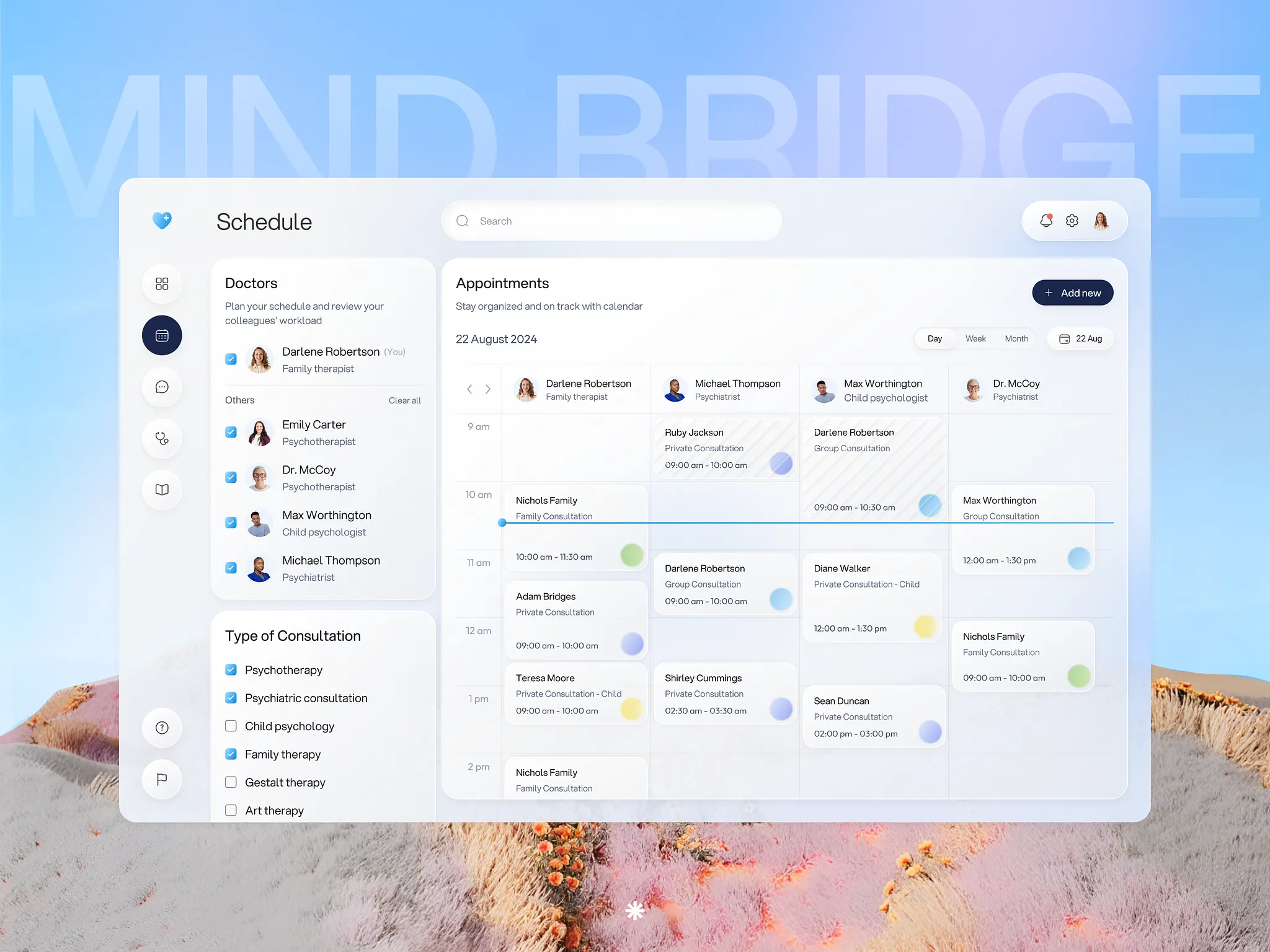
Setting, adjusting, and managing appointments for multi-provider teams.
Where UX breaks:
  • Hard to see provider availability
  • No patient context in calendar view
  • Double-booking risks
  • No-shows not tracked visually
How we fix it:
  • Visual scheduling grids with availability filters
  • Embedded patient snapshots in scheduler
  • Alert banners for risks or appointment conflicts
  • Integration with follow-up and billing
Inbox and workflow screens for clinician and nurse actions.
Where UX breaks:
  • Flat list of alerts with no grouping
  • High-priority items buried
  • No role-based filtering or urgency tags
  • Lack of contextual links (i.e. “go to patient”)
How we fix it:
  • Task dashboard grouped by urgency and role
  • Embedded action buttons (complete, forward, comment)
  • Timestamped event logs
  • Link directly to relevant patient/chart module
Image - ks
Need to build one of these?
Book a call with Kseniia Shalia, our account executive, to discuss your EHR screen design and user interface needs.

BUILDING FEATURES FOR HIGH-END EHR USER EXPERIENCE

Modular, role-based, and compliance-first features for better EHR user interface design
Well-designed EHR systems support clinical work, streamline data entry, and meet HIPAA and HITECH requirements. From patient records to order entry, the features below reflect the kind of secure, interoperable, and user-centered software you can expect from our product UX/UI designers.
Icon - asterisk-svgrepo-com 2-9
Role-based dashboards

Customizable EHR dashboard design by role (physician, nurse, admin) for faster task routing and data access.

Icon - asterisk-svgrepo-com 2-7
Encounter documentation

SOAP-ready notes, smart templates, and autosave built to streamline structured patient documentation.

Icon - asterisk-svgrepo-com 2-13
Medication management

EHR interface design for safe prescribing, dosage alerts, refills, and drug interaction logic.

Icon - asterisk-svgrepo-com 2-6
Orders & referrals

Real-time data exchange with lab results, clinical notes, and patient records.

Icon - asterisk-svgrepo-com 2-4
Vitals & longitudinal history

EHR screen design for vitals entry, timeline views, and patient data visualization across episodes.

Icon - asterisk-svgrepo-com 2-1
Appointment booking

Integrated calendars, provider filtering, and risk flags for no-shows or double-booking.

Icon - asterisk-svgrepo-com 2-8
Access & permissions

Secure EHR user interface design with granular permissions based on user roles and organizational hierarchy.

Icon - asterisk-svgrepo-com 2-17
Accessibility & localization

WCAG-compliant layout, high-contrast modes, screen reader support, and multilingual configuration.

Icon - asterisk-svgrepo-com 2-16
EMR/EHR interoperability

FHIR-compliant data exchange, custom API hooks, and third-party EHR vendor mapping.

Icon - asterisk-svgrepo-com 2-6
Alerts & clinical inbox

Actionable notifications, lab result routing, and task assignment flows across care teams.

Icon - asterisk-svgrepo-com 2-10
Analytics & reporting

Custom reporting dashboards for clinical KPIs, billing metrics, and compliance audits.

Icon - asterisk-svgrepo-com 2-11
Consent & compliance

Consent management, audit trails, and integrated compliance layers (HIPAA, HITECH, GDPR).

Icon - asterisk-svgrepo-com 2-2
Chat & messaging

Drag-and-drop or mobile capture to attach scanned records, prescriptions, and referral notes.

Icon - asterisk-svgrepo-com 2-14
Document upload

Drag-and-drop or mobile capture to attach scanned records, prescriptions, and referral notes.

Icon - asterisk-svgrepo-com 2
Speech recognition

Voice-to-text support for fast documentation, particularly for intake and follow-up note-taking.

Technology stack

Frameworks &
technologies we use
Icon - React
React

Icon - NextJS
Next.js

Icon - asterisk-svgrepo-com 2-2
Solid.js

Icon - asterisk-svgrepo-com 2-3
Astro

Icon - asterisk-svgrepo-com 2-4
TypeScript

Icon - asterisk-svgrepo-com 2-5
Node.js

Icon - asterisk-svgrepo-com 2-6
Express.js

Icon - asterisk-svgrepo-com 2-7
Nest.js

Icon - asterisk-svgrepo-com 2-8
PHP

Icon - asterisk-svgrepo-com 2-9
Laravel

Icon - asterisk-svgrepo-com 2-4
TypeScript

Icon - asterisk-svgrepo-com 2-1
WordPress

Icon - asterisk-svgrepo-com 2
Webflow

Icon - asterisk-svgrepo-com 2-10
Amazon web services

Icon - asterisk-svgrepo-com 2-11
Digital Ocean

Icon - asterisk-svgrepo-com 2-12
Cloudflare

Icon - asterisk-svgrepo-com 2-13
Docker

Icon - asterisk-svgrepo-com 2-14
Gitlab / Github CI / CD

Icon - asterisk-svgrepo-com 2-15
Kubernetes

Icon - asterisk-svgrepo-com 2-21
Shadcn

Icon - asterisk-svgrepo-com 2-22
Radix

Icon - miui
MUI

Icon - asterisk-svgrepo-com 2
Ant design

Icon - asterisk-svgrepo-com 2-1
PrimeReact

Icon - asterisk-svgrepo-com 2-2
Carbon Design System

Icon - asterisk-svgrepo-com 2-3
Chakra UI

OUR EHR SYSTEM DESIGN PROCESS

Every successful EHR design starts with a process that supports clear decisions and fewer surprises
At Phenomenon, each stage builds on the last - mapping user logic, aligning with compliance, and integrating feedback early. That means minimal rework, no last-minute surprises, and a faster, smoother path to development.

Product discovery

01

Understanding your clinical workflows, roles, and system gaps

We start by clarifying the structure of your current system – if one exists – and mapping how different users (physicians, nurses, assistants, admins) interact with it. This ensures your EHR system design is backed by:

Key steps

  • Stakeholder interviews and priority mapping
  • Role-based user flow identification
  • Documentation of system pain points and inefficiencies
  • Compliance and security baseline review

Deliverables

Stakeholder map usage personas initial EHR user experience architecture compliance checklist

Idea validation

02

Validating the logic behind user interactions and task flow

Before we design any screen, we validate your workflows across teams and care stages. This phase avoids costly redesign later and helps us spot opportunities for role-based logic, screen consolidation, or task automation.

Key steps

  • System journey mapping
  • Cross-role task analysis
  • Redundancy and logic conflict review
  • Optional shadowing sessions (where feasible)

Deliverables

Workflow validation map design risks list UI logic matrix

Wireframes & prototyping

03

Creating task-specific flows and testable prototypes

We build wireframes that reflect role-specific needs, then move to medium- and high-fidelity prototypes your team can test internally. Each design is mapped to actions and accessibility needs, not just aesthetics.

Key steps

  • EHR wireframes (by role/task)
  • Prototype testing with clinicians and admins
  • ADA/WCAG accessibility checks
  • Navigation, search, and data-entry flow design

Deliverables

EHR wireframes clickable prototype accessibility review UX patterns library

Backend architecture & devOps

04

Turning validated flows into complete, branded EHR interface design systems

This phase includes everything from typography and hierarchy to icon design and interface states. We create reusable components across encounter notes, dashboards, and history logs, designed to scale and adapt.

Key steps

  • Visual system creation (colour, spacing, iconography)
  • Modular UI components for tasks, alerts, and dashboards
  • Role-based screen layouts and navigation hierarchy
  • Brand integration if required

Deliverables

EHR user interface design system component kit finalized screen designs dev handoff documentation

Developer handoff

05

Translating UI/UX work into clean specs for your dev team

We believe great design is what ships. Our team prepares specs, Figma libraries, and written logic to help your EHR developers implement the interface without confusion. If needed, we consult directly with devs during implementation.

Key steps

  • Design system documentation for frontend teams
  • Handoff sessions with developers
  • API requirement annotations
  • Post-launch usability QA

Deliverables

Dev-ready UI files interactive Figma specs QA test cases codebase alignment notes

Continuous support

06

Post-handoff guidance to evolve your product over time

EHR tools are never “done.” We stay close through initial release and help iterate on screens, flows, or modules as clinical feedback comes in.

Key steps

  • Usability check-ins after launch
  • Issue logging and iteration planning
  • A/B testing for interface optimizations
  • Optional analytics setup and review

Deliverables

Optimization roadmap updated UI files iteration backlog
Image - ks
See what it’s like to work with us
Start with one focused week, at a reduced rate. Test critical workflows, validate compliance needs, or evaluate technical alignment with our EHR developers before committing to full EHR system design or development.

FEATURED CASES

Real-world healthcare products shaped by our expert EHR screen design and user interface work
From charting dashboards to mobile-first health platforms, these projects show how our UI/UX experts and product UX/UI designers solve clinical UX problems, enhance patient engagement, and deliver development-ready results across varied care models.

#Product redesign #Mobile app development

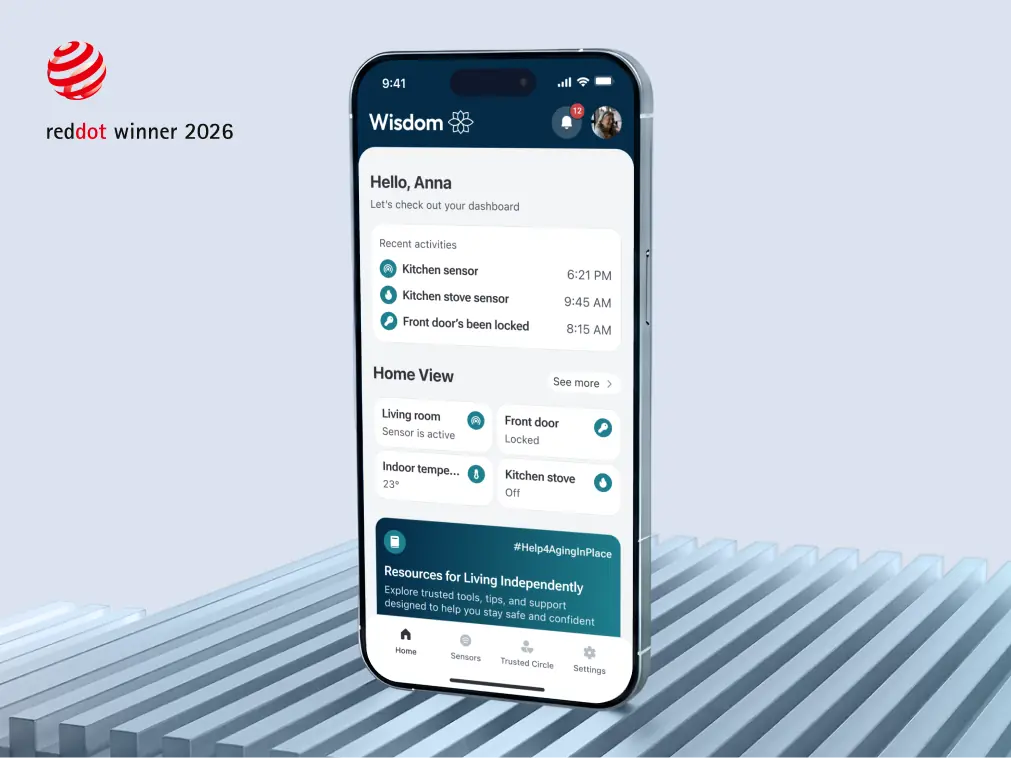
MyWisdom — a digital platform for safer, more connected aging
MyWisdom Icon - fi_4628635USA
Tech Stack

Flutter, Java, Spring Boot, Python, WebSocket, Computer Vision, AWS, PostgreSQL, Redis, Docker, Swagger, Liquibase

Timeline

5 month

Results

Clearer focus and smoother user flows

Better accessibility for diverse user needs

Consistent and scalable design system

#Product discovery #MVP building

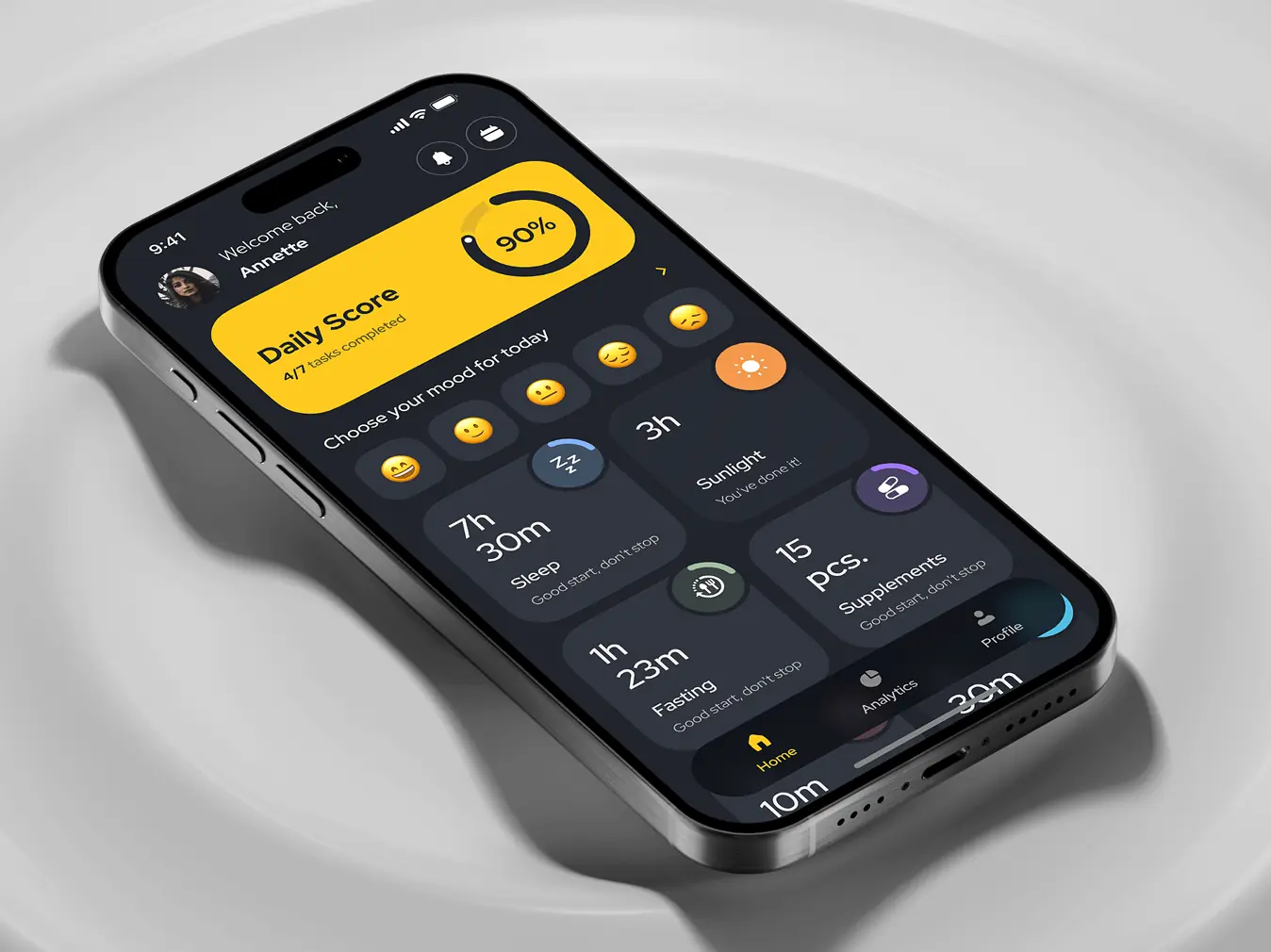
Zest — unleashing a healthier you
Zest Icon - fi_4628635USA
Results

Faster 
time-to-market

Reduced 
development costs

Simplification of complex health concepts

Image - image@2x

Julia Cooney

CEO of Zest

The client expressed high satisfaction with the team’s proficiency, facilitating the prompt and timely completion of the design within the initially estimated timeframes.
#Mobile app design #Mobile development

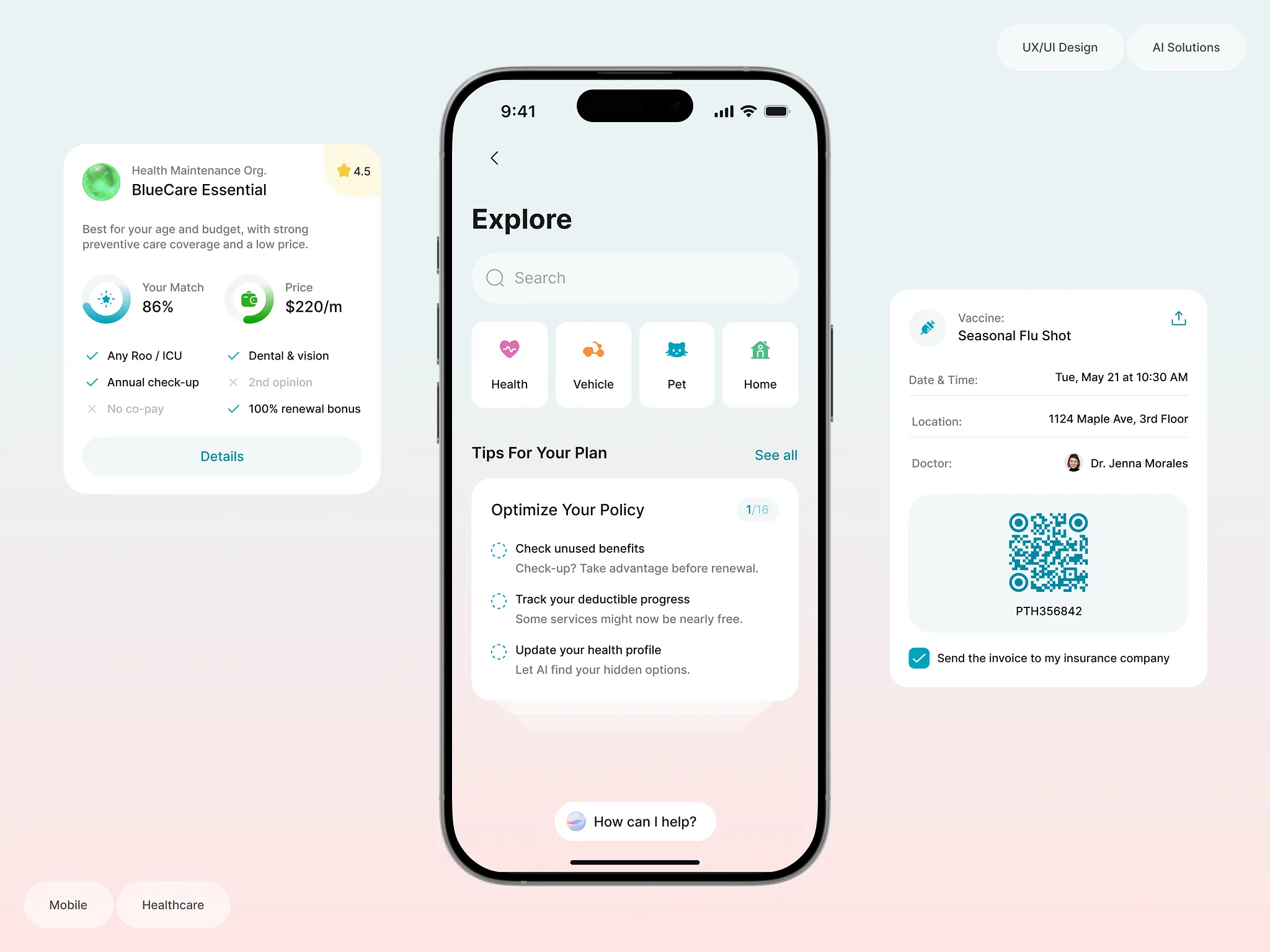
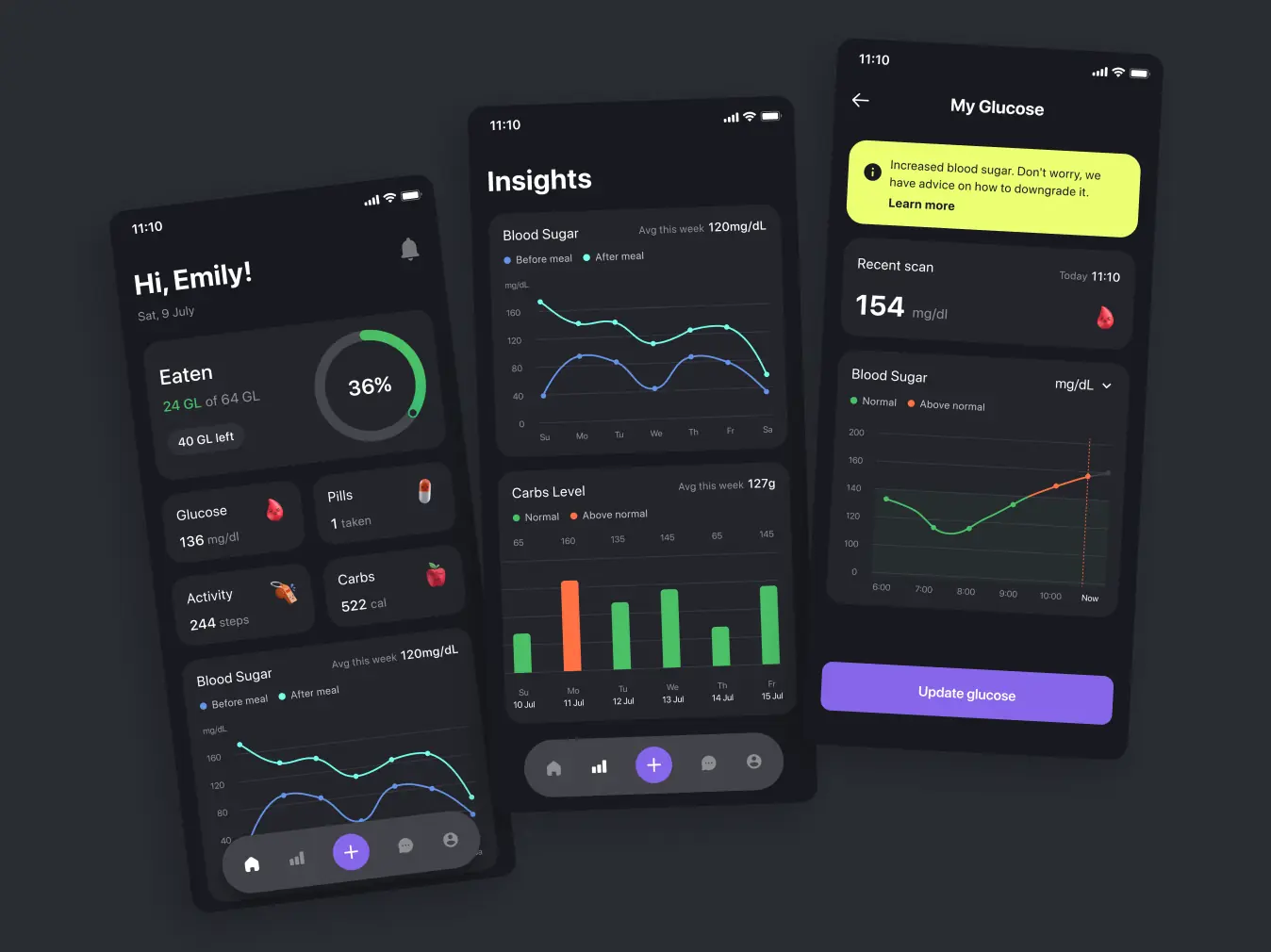
Glume – healthcare mobile app for diabetics
Glume LLC Image - de-circle-01Germany
Results

15.3% average retention rate after launch

High satisfaction with redesigned smart assistant

Tailored user experience from onboarding to recommendations

what our clients say
5.0 is our average
on clutch & designrush
Image - Craig Tortolani

Craig Tortolani

CPO at Dekryption Labs

Image - Alex Friedman

Alex Friedman

CEO at Open Path

Not only is the team extremely communicative, their work is exceptional. I have never worked with a team so talented while also being competitively priced and communicative.

Image - KlickEx

KlickEx Team

Image - George Fry

George Fry

Founder at Neap

The quality of the designs is fantastic. Phenomenon Studio works at speed and is extremely punctual with timelines. They deliver top-notch outcomes with exceptional designs.

Image - Andre Guerra

Andre Guerra

Co-Owner at RADCAT Design

Image - Kevin Alvarez

Kevin Alvarez

Founder & General Partner, Predictive

Phenomenon Studio's ability to translate concepts and rough design mock-ups into high-fidelity assets, designs, and visuals was very impressive. The goal was to maintain simple elegance in the design aesthetic, and they did it very well.

EHR DESIGN COST: FACTORS TO CONSIDER

What impacts the timeline, complexity, and budget behind modern EHR user interface design

No need to say that EHR screen design and user interface projects involve far more than aesthetics. Each decision impacts how well your product supports clinical roles, integrates with existing systems, and holds up to compliance scrutiny.

Whether you’re collaborating with established Electronic Health Records vendors or starting fresh, here’s what typically drives cost:

What drives your EHR design costs up?

01
Screen logic & user roles

Multi-role flows increase complexity and require deeper planning.

02
EHR dashboard design complexity

Advanced EHR dashboard design with real-time data needs extra design and QA effort.

03
Legacy platform constraints

Redesigning around outdated systems slows down progress.

04
Compliance and accessibility

HIPAA, HITECH, and WCAG standards add design and review layers.

05
Cross-team coordination

More stakeholders = more iterations and longer timelines.

06
Scalability requirements

Designing for future growth adds to scope and architecture needs.

Icon - process-1

Get a tailored EHR design estimate

Need a clear budget based on your workflows, compliance needs, and platform scope? Talk to our UI/UX experts to get a detailed scope, timeline, and estimate before you commit to full healthcare UI/UX design or redesign.

HOW TO WORK WITH US

Choose the right collaboration model for your healthcare UI/UX design and development project
Partner with a full-cycle product design company
We work as your long-term product design and development partner, owning strategy, discovery, design, dev, QA, and scaling iterations. This is not a “project”— it’s your full product team.
Best for
  • Founders who want a senior team thinking beyond sprints
  • Startups scaling beyond MVP and needing deep product ownership
What you get
  • Expert team aligned with your roadmap, KPIs, and business goals
  • Strategic discovery, UX systems
Hire a full-stack dedicated team
We deliver your product from idea to launch—fast and lean. You get execution-ready design and development support with a clear project scope and delivery timeline.
Best for
  • MVPs or feature builds with a defined goal and launch window
  • Pre-seed and seed startups that need to ship without building an in-house team
What you get
  • UI/UX, development, QA, and PM in one dedicated team
  • Clear scope, fixed timeline, efficient delivery
Augment your existing team
We provide developers, designers, and QA engineers to integrate with your team, helping you scale fast while keeping full control over execution.
Best for
  • Startups needing specialized expertise without long-term hiring
  • Seed & Series A+ startups looking to accelerate development
What you get
  • Embedded designers, developers, or product managers to fill skill gaps
  • Faster product delivery without the hiring delays & overhead costs

WHY CHOOSE US AMONG OTHER EHR DESIGN AGENCIES?

Your success is our priority
Design that meets regulation
HIPAA- and GDPR-certified expertise for Healthcare and beyond.

Since 2019, we’ve gained HIPAA and GDPR certifications and industry recognition, delivering hundreds of products in Healthcare, SaaS, FinTech, and EdTech — where compliance and UX go hand in hand.

Design that lasts beyond trends
We don’t chase fads. We build digital products that stay relevant.

Our work looks sharp today and stays usable tomorrow — designed around long-term value, not short-term gimmicks. Scalable systems, brand consistency, and smart UX that grows with your product.

Design that’s developer-ready
We design for implementation, not handoff.

Every component is built with devs in mind: design tokens, accessibility, reusability, and real-world constraints. We collaborate with your team, reuse existing elements, and stay involved until everything’s live.

Local presence. Global delivery
Work directly with the doers — not a chain of account managers.

Collaborate with UX strategists in North America, while our senior design and development teams in Europe deliver fast, consistent results. We integrate into your tools and workflow, working as part of your team — from a single embedded designer to a full product squad.

AWARD-WINNING PRODUCT DESIGN, RECOGNIZED WORLDWIDE

Wins that inspire us forward
Icon - clutch

Top product design company 2024

Icon - upwork

Top rated plus agency by Upwork

Icon - webflow

Professional partner by Webflow

Icon - design

Nominee 2024
Isora - GRC Platform

Icon - Awwwards

Site of the Day & honorable mentions

32+
others

Related Services

Services that pair well with your EHR design and development
Product redesign

Upgrade legacy interfaces with scalable, business-driven UX and Ul from a top-notch design agency.

UX audit

Identify usability bottlenecks, improve engagement, and optimize for conversions.

Technical workshop

Validate your tech stack, architecture, and scalability path.

FREQUENTLY ASKED QUESTIONS

Questions already
answered
01
What are the key principles of effective EHR software design?

Designing EHR software requires a balance between clinical accuracy, workflow support, and compliance. Effective design begins with mapping user roles—physicians, nurses, administrative staff—and tailoring each screen to match their daily tasks. 

Screen hierarchy should prioritize cognitive flow: surfacing urgent patient data without overwhelming the interface. Field density should reflect real usage, avoid bloated forms, and minimize clicks per task. It’s also critical to align the EHR structure with clinical logic rather than database logic. 

Accessibility and compliance must be considered from wireframing to implementation, including WCAG/ADA requirements and audit-ready data handling. Design validation is also essential. Testing with real clinical stakeholders avoids late-stage rework. 

Finally, handoff-ready design documentation reduces development risk. A good EHR doesn’t just “look nice”; it works under pressure, scales across user types, and integrates cleanly into the clinical stack. Phenomenon Studio brings a user-first, developer-friendly approach to healthcare UI/UX design that performs in live environments.

02
How can EHR user interface updates improve clinical efficiency?

Let’s face it: EHR user interface improvements can directly reduce clinician fatigue, speed up patient encounters, and minimize medical errors. The most impactful updates often involve simplifying over-engineered dashboards, minimizing navigation layers, and clarifying button hierarchy. 

For instance, clinicians shouldn’t need to click through 10 screens just to review vitals or sign off on a prescription. By consolidating common tasks into fewer, cleaner screens, clinical teams regain valuable time. Colour-coded alerts, smart search, and contextual shortcuts also reduce the number of cognitive decisions per task. Integrating keyboard-friendly actions and customizable layout views further speeds up high-volume workflows. 

These improvements aren’t theoretical. When applied to legacy EHR platforms, they can cut interaction time by 30–50%. Working with experienced product designers who understand healthcare UX and EMR system constraints ensures that visual refinements actually enhance clinical workflows rather than break them. Thoughtful interface improvements become silent performance boosters inside the clinic.

03
What should startups consider when choosing Electronic Health Records vendors?

Startups selecting Electronic Health Records vendors need to balance regulatory readiness with integration flexibility. Many leading vendors like Epic or Cerner offer powerful tools, but come with strict onboarding processes and enterprise-level costs. 

Smaller startups may benefit from more open or modular vendors like athenahealth or NextGen, which provide mature APIs and manageable pricing. 

Key evaluation criteria should include API documentation quality, support responsiveness, ease of sandbox access, and prebuilt components for scheduling, billing, and clinical documentation. 

For early-stage companies, vendor lock-in and scalability limits are major risks. A discovery workshop with both your design and development teams can clarify integration points and inform vendor selection. 

Experienced EHR product partners can also help prototype early interfaces around vendor APIs, validating technical feasibility and user flow logic before committing. The right vendor should support your compliance strategy, scale with your platform, and give you space to innovate around their ecosystem.

04
What are common implementation challenges for EHR tools?

EHR implementation often fails not because of technical flaws, but because of misalignment between system design and user workflows. A common challenge is over-customization: trying to please every department results in clunky screens and bloated forms. 

Another issue is integration complexity: syncing data between EHRs, labs, scheduling, and billing tools often requires careful backend planning and clear data ownership definitions. Resistance from clinical staff is also frequent when new systems are rolled out without their input or training. 

To avoid these pitfalls, strong cross-functional collaboration from discovery to post-launch is key. That includes role-based design sessions, validation prototypes, and a gradual rollout strategy. Design documentation must be clear enough for developers and compliant enough for regulators. Handoff between product teams and engineering often makes or breaks go-live timelines. 

Partnering with a team experienced in both EHR interface logic and technical constraints helps ensure smoother execution and broader stakeholder buy-in.

05
How do you design EHR dashboards that support daily decision-making?

Effective EHR dashboards must deliver clarity under pressure. Clinicians make split-second decisions based on what they can see—and trust—on their screens. 

That’s why dashboard design should prioritize role-specific visibility: what a cardiologist needs at a glance differs from what a nurse or front desk coordinator needs. 

Information hierarchy is critical. Vital signs, alerts, and active meds should appear above-the-fold, with expandable areas for less urgent data. Data visualizations should avoid over-design: graphs must translate directly into actionable insight. 

Another often overlooked factor is update latency. If a dashboard lags during a patient check-in or doesn’t reflect a recently added lab result, confidence erodes. Dashboards should also be modular, designed as interchangeable components that development teams can scale and maintain efficiently. 

At Phenomenon, we treat dashboards as functional control centers, not decorative charts. Each one is stress-tested for responsiveness, readability, and speed to help reduce decision fatigue and error rates.

06
How do you balance usability and compliance in EHR user interface design?

Usability and compliance in EHR design are often wrongly treated as opposing goals. In reality, good design integrates both. 

For example, HIPAA-compliant audit trails can be made visible with intuitive access logs and timestamped notes. Consent management doesn’t have to clutter the screen. Progressive disclosure patterns let users drill into data-sharing preferences only when needed. 

Role-based access, another compliance staple, actually improves usability by simplifying each user’s view. To meet WCAG and ADA requirements, we apply universal design principles: sufficient contrast, keyboard navigation, error prevention cues, and readable typography. 

Each feature undergoes accessibility validation, from login to discharge summary. From a development standpoint, our designs include documentation for secure input handling, multi-region compliance (like GDPR), and audit log triggers. 

We believe that compliance isn’t a layer added at the end; it’s a standard built into every layout, component, and flow from the first wireframe onward.

07
What role does UX research play in EHR platform improvement?

UX research in EHR design is not optional. It’s the foundation for building systems people will actually use. Without direct input from clinicians, administrative staff, and even patients, design teams risk guessing at workflows and creating features that add friction rather than remove it.

 The research phase typically starts with stakeholder interviews and observational sessions in live environments. What tasks take too long? Where are errors introduced? What screens go unused? 

Usability testing with real scenarios, such as documenting an encounter or reviewing medication history, reveals hidden complexity and unmet needs. 

Quantitative data, like click paths and task time, is also useful when evaluating an existing system. 

At Phenomenon, we apply this research to prioritize redesign areas, validate new concepts before development, and measure UX success post-launch. Every insight is tied to design decisions, ensuring that improvements are not only intuitive but grounded in real-world clinical behaviour.

08
How does modern interface design improve EHR adoption rates?

Interface design plays a critical role in how quickly clinical teams adopt a new EHR or upgraded platform. Legacy systems often fail because they force users to work around the interface, leading to skipped steps, double documentation, and frustration. 

Modern design flips that dynamic. It supports clinical logic, reduces task fatigue, and respects cognitive load. This includes smart defaults for form fields, clear status indicators for orders and notes, and flexible modules that reflect different user roles. 

Adoption also improves when the interface supports common workflows end-to-end—like check-in, diagnosis, treatment, and discharge—without constantly switching systems or retraining. Onboarding flows and embedded guidance reduce learning curves for new users. 

Every pixel must support the user’s goal, not only the system’s architecture. This approach improves clinical throughput and data integrity. That’s why our UI/UX designers work closely with stakeholders to build tools that feel like a natural extension of care.

09
When should you consider working with external EHR developers?

You should consider partnering with external EHR developers when your internal team lacks bandwidth, experience with regulatory-heavy systems, or product UX/UI specialization in healthcare. Building or modernizing an EHR platform isn’t just another SaaS project; it involves deep integration, high-stakes workflows, and mandatory compliance. 

A skilled external partner can jumpstart momentum by conducting a discovery workshop, auditing legacy systems, and identifying architectural and UX gaps. They bring battle-tested design systems, proven handoff processes, and a clear understanding of development constraints specific to medical software. 

External teams can also supplement post-launch support, QA, and documentation, especially during go-live and onboarding phases. For early-stage startups, this means accelerating time to market without sacrificing safety. For established clinics or vendors, it can mean scaling or pivoting faster with less risk. 

Choose a partner who understands both sides of the table: design and code, user and stakeholder, regulation and product. That’s what sets long-term collaborations up for success.

Contact us

Have a project in mind?
Let's chat

Your Name

Enter your name *

Your Email

Enter your email *

Message

Tell us about your project

You can upload maximum 5 files
Some of your file not loaded, because maximum file size - 5 mb
Your budget for this project?

By clicking this button you accept Terms of Service and
Privacy Policy

Icon - circle-check-svgrepo-com 1
Thanks for taking time to reachout!
Stay connected with us by subscribing to our LinkedIn account. By following, you’l be the first to hear about our latest updates, news, and exciting development. We look forward to sharing our journey with you!
Icon - circle-check-svgrepo-com 1
Thanks for taking time to reachout!
We’d love to hear more about your project! Feel free to schedule a call using the link provided. This will help us better understand your vision and ensure we’re aligned on all the details.
Have a project to
discuss?
Image - ksenia
Kseniia Shalia
Account Executive
Have a partnership in
mind?
Image - polina
Polina Chebanova
Co-Founder & CPO